브레이크뉴스 김충열 정치전문기자 = 주요 시중은행들이 대출이자 등으로 벌어들이는 이자수익에 비해 예·적금 고객에게 지급하는 이자비용이 절반 수준에 그치는 것으로 나타났다. 고금리 기조가 장기화되고 금융당국과 국회에서 수차례 문제를 지적했음에도 불구하고, ‘이자장사’ 구조가 고착화돼 있다는 비판이 제기됐다.
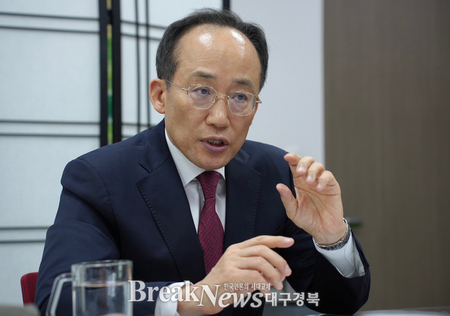
 ▲ 박범계 의원은 “은행이 대출이자를 통해 거둬들이는 이익이 폭증하고 있음에도 고객에게 돌아가는 몫은 절반에도 미치지 못하는 현실은 매우 심각한 구조적 문제”라며 “예대마진과 이자비용관련 세부 내용과 정보를 투명하게 공시하고, 금융소비자에게 이익이 환원될 수 있도록 제도적 개편이 시급하다”고 지적했다. (사진, 박 의원실) © 김충열 정치전문기자 |
국회 정무위원회 소속 더불어민주당 박범계 의원이 21일 은행연합회로부터 제출받은 자료에 따르면, 최근 5년간(2020~2024년) 국내 은행 전체의 이자수익에서 이자비용을 뺀 예대마진(차익)은 261조 6,382억 원에 달하는 것으로 집계됐다. 이는 같은 기간인 2020~2024년 5년간 서울특별시 전체 예산의 총합(212.6조)보다도 높은 수준으로, 국민이 납부한 이자가 막대한 은행 수익으로 귀결되고 있음을 보여주는 수치다.
6대 시중은행(국민·신한·하나·우리·농협·기업)은 모두 이자수익 대비 이자비용의 비율이 60%에도 미치지 못하는 수준을 기록했다. 고객으로부터 받은 이자수익의 절반가량만 예·적금 고객들의 이자로 겨우 돌아가고 있다는 뜻이다. 가계대출 금리가 6~7%까지 치솟는 동안 예·적금 금리는 여전히 2~3% 안팎에 머무르는 불균형 구조가 고착화돼 있는 가운데, 금융소비자의 이자 부담은 갈수록 커지고 은행권의 수익성은 확대되고 있다.
특히 인터넷전문은행과 일부 대형은행은 이러한 구조가 더 뚜렷했다. 카카오뱅크의 이자수익/이자비용 비율은 260%를 넘으며 고객에게 지급된 이자는 벌어들인 이자의 절반에도 미치지 못했다. 케이뱅크 역시 233% 수준을 기록했으며, 농협·국민·기업은행 등 주요 은행들 또한 수십 조원대의 이자수익을 거두면서도 예·적금 환원율은 절반 이하에 머물렀다.
 ▲ 박범계 의원은 “은행이 막대한 이자이익을 거두는 한편 금융소비자에 대한 환원과 공공성 확보에는 소극적인 태도를 보이는 현실은 금융산업의 신뢰를 약화시키는 요인”이라며 “금융소비자의 권익 보호를 위한 실질적 제도 개혁이 필요하다”고 역설했다. © 김충열 정치전문기자 |
이같은 문제는 이번이 처음 제기되는 것이 아니다. 이미 2022년과 2023년 국정감사에서 국회 정무위원회는 은행권의 과도한 예대마진 구조와 낮은 이자비용 환원율을 집중적으로 지적하며, “고금리 상황에서 금융소비자의 부담이 확대되는 동안 은행들이 막대한 이익을 사유화하고 있다”는 비판을 제기한 바 있다. 당시 금융당국도 “예대금리차 공시 확대와 이자비용 구조개선 방안을 검토하겠다”고 밝혔으나, 실제 제도 개선은 거의 이루어지지 않았고 은행들의 이자수익 구조는 지금까지도 큰 변화가 없는 것으로 나타났다.
박 의원은 “은행이 대출이자를 통해 거둬들이는 이익이 폭증하고 있음에도 고객에게 돌아가는 몫은 절반에도 미치지 못하는 현실은 매우 심각한 구조적 문제”라며 “예대마진과 이자비용관련 세부 내용과 정보를 투명하게 공시하고, 금융소비자에게 이익이 환원될 수 있도록 제도적 개편이 시급하다”고 지적했다.
이어 “특히 인터넷은행을 포함한 신종 금융플랫폼들도 기존 시중은행과 다를 바 없는 수익 구조를 보이고 있는 만큼, 정부와 금융당국은 경쟁 촉진이라는 이름으로 방관만 할 것이 아니라 금융소비자 보호 중심의 규제 체계를 마련해야 한다”고 강조했다.
박범계 의원은 “은행이 막대한 이자이익을 거두는 한편 금융소비자에 대한 환원과 공공성 확보에는 소극적인 태도를 보이는 현실은 금융산업의 신뢰를 약화시키는 요인”이라며 “금융소비자의 권익 보호를 위한 실질적 제도 개혁이 필요하다”고 역설했다. hpf21@naver.com
* 아래는 위 기사를 '구글 번역'으로 번역한 영문 기사의 [전문]입니다. '구글번역'은 이해도 높이기를 위해 노력하고 있습니다. 영문 번역에 오류가 있을 수 있음을 전제로 합니다.
*The following is [the full text] of the English article translated by 'Google Translate'. 'Google Translate' is working hard to improve understanding. It is assumed that there may be errors in the English translation.
Park Beom-gye: "The six major commercial banks pay less than half of the deposit interest... Bank interest margin reached 261.6 trillion won over the past five years."
The six major commercial banks remain "interest-based" amid high interest rates...
Break News political reporter Kim Choong-lyoul = Major commercial banks' interest expenses paid to deposit and savings account customers amount to only half of the interest income they earn from loans and other sources. Despite the prolonged high interest rate environment and repeated criticism from financial authorities and the National Assembly, criticism has been raised that the "interest-based" structure remains entrenched.
According to data submitted to the Korea Federation of Banks on the 21st by Democratic Party of Korea lawmaker Park Beom-gye, a member of the National Assembly's Political Affairs Committee, the interest margin (profit), calculated by subtracting interest expenses from interest income, of all domestic banks over the past five years (2020-2024) amounted to 261.6382 trillion won. This figure is higher than the combined Seoul Metropolitan Government budget (KRW 212.6 trillion) for the same five-year period (2020-2024), demonstrating that the interest paid by citizens is resulting in massive bank profits.
The six major commercial banks (KB Kookmin, Shinhan, Hana, Woori, Nonghyup, and Industrial Bank of Korea) all recorded interest expense-to-interest income ratios of less than 60%. This means that only about half of the interest income received from customers is barely being returned to deposit and savings account customers as interest. While household loan interest rates soar to 6-7%, deposit and savings account interest rates remain stuck at around 2-3%, a structural imbalance that has become entrenched. This is leading to an increasing interest burden on financial consumers and expanding profitability for banks.
This structure is particularly evident among internet-only banks and some large banks. Kakao Bank's interest income-to-interest expense ratio exceeded 260%, with interest paid to customers amounting to less than half of the interest earned. K Bank also recorded a 233% rate, and major banks such as Nonghyup, Kookmin, and Industrial Bank of Korea earned tens of trillions of won in interest income, yet their deposit and savings account redemption rates remained below half.
=
This isn't the first time this issue has been raised. During the 2022 and 2023 state audits, the National Assembly's Political Affairs Committee specifically pointed out the banking sector's excessive interest-to-deposit margin structure and low interest expense redemption ratios, criticizing banks for "privatizing massive profits while burdening financial consumers with high interest rates." At the time, financial authorities announced they would "explore measures to expand disclosure of interest-to-deposit spreads and improve the interest expense structure." However, little actual institutional improvement has been achieved, and banks' interest income structure remains largely unchanged.
Rep. Park stated, "The fact that banks are earning explosive profits through loan interest, yet less than half of the profits are returned to customers, is a very serious structural problem." He added, "Institutional reform is urgently needed to transparently disclose detailed information related to interest margins and interest expenses, and to ensure that benefits are returned to financial consumers."
He continued, "In particular, new financial platforms, including internet banks, are exhibiting profit structures similar to those of existing commercial banks. Therefore, the government and financial authorities should not simply stand by in the name of promoting competition, but establish a regulatory system centered on protecting financial consumers."
Rep. Park Beom-gye stated, "The reality that banks are reaping enormous interest profits while remaining passive in providing financial consumers with returns and ensuring public service is a factor eroding trust in the financial industry. Substantial institutional reform is necessary to protect the rights and interests of financial consumers." hpf21@naver.com