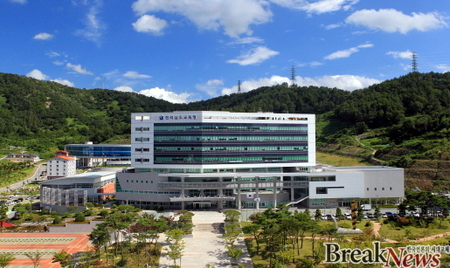
▲ 여수광양항만공사는 22일 공사 본사에서 한국석유공사, BS한양, 오일허브코리아 여수와 함께 '북극항로 개척 정책과제 공동 이행 업무협약'을 체결했다. |
여수광양항만공사는 22일공사 본사에서 한국석유공사, BS한양, 오일허브코리아 여수와 함께 '북극항로 개척 정책과제 공동 이행 업무협약'을 체결했다고 밝혔다.
이 협약은 여수광양항 동북아 북극항로 거점항만 입지를 확보하고 친환경 북극에너지 물류유통 허브항만으로 육성하고자 협약참가 기관과 기업 간 상호협력 할 수 있는 유기적 협력체계를 구축하는 데 뜻을 모았다.
공사에 따르면 협약 기관 및 기업은 향후 ▲북극항로 개척에 필요한 인프라 구축과 투자 협력 ▲극지에너지 안정적 운송을 위한 전략 수립 ▲북극항로 에너지자원 수송실증 추진 ▲여수광양항을 에너지 물류허브 및 친환경 연료 벙커링 항만으로 육성 등에 긴밀히 협력하기로 했다.
실제 북극항로는 아시아와 유럽을 최단 거리로 연결할 수 있는 차세대 해상 물류 경로로 주목받고 있으며 최근 기후변화로 운항 가능 기간이 확대됨에 따라 현실적 대체 항로로 가치가 커지고 있다.
특히 북극해 인근의 잠재 또는 개발 중인 에너지 자원의 최대 수요처로써 아시아 시장이 주목받고 있는 만큼 운송 및 유통을 위한 거점으로 국내 항만의 가능성이 대두되고 있다.
무엇보다 여수광양항의 경우 여수국가산업단지와 포스코 광양제철소를 배후산업으로 보유하고 있어 풍부한 에너지 자원의 수요처일 뿐만 아니라 초대형 원유, 천연가스 저장 및 유통시설이 지속적으로 건설되고 있어 북극항로 에너지 화물의 동북아 저장비축 및 유통기지로 발돋움 할 수 있는 가능성이 높다고 평가된다.
여기에 포스코 LNG 2터미널 건설 및 저장능력 확대와 BS한양과 GS에너지가 공동 추진 중인 묘도 동북아LNG허브터미널 건설이 완료되면 글로벌 선사들의 선박배출 온실가스 감축에 따른 친환경연료 벙커링의 공급기지 역할도 기대해 볼 수 있다.
공사 황학범 사장 직무대행은 "협약은 여수광양항이 동북아 북극항로 거점항만으로 도약하기 위한 의미 있는 첫걸음"이라며 "공공기관과 에너지 민간기업이 하나로 협력해 북극항로 개척의 선도적인 역할과 국가 에너지 및 자원수급 전략에 기여하는 성과를 만들어내겠다"고 말했다.
[아래는 구글로 번역한 영문기사 전문입니다. 영문번역에 오류가 있을 수 있음을 전제로 합니다. Below is the full English article translated by Google. It is assumed that there may be errors in the English translation.]
The Yeosu-Gwangyang Port Authority announced on the 22nd that it signed a "Joint Implementation Agreement for the Development of the Northern Sea Route Policy" with the Korea National Oil Corporation, BS Hanyang, and Oil Hub Korea Yeosu at its headquarters.
This agreement aims to establish Yeosu-Gwangyang Port as a key port on the Northeast Asian Arctic Sea Route and foster its development as an eco-friendly Arctic energy logistics hub. The agreement aims to establish an organic cooperative system among participating organizations and companies.
According to the authority, the participating organizations and companies will closely collaborate on: ▲cooperating on infrastructure development and investment necessary for the development of the Arctic Sea Route; ▲developing strategies for the stable transport of polar energy; ▲promoting energy resource transport demonstrations along the Arctic Sea Route; and ▲developing Yeosu-Gwangyang Port as an energy logistics hub and eco-friendly fuel bunkering port.
The Arctic Sea Route is gaining attention as a next-generation maritime logistics route that can connect Asia and Europe via the shortest distance. With the recent expansion of navigational periods due to climate change, its value as a viable alternative route is growing.
In particular, with the Asian market attracting significant attention as the largest consumer of potential or developing energy resources near the Arctic Ocean, the potential of domestic ports as transportation and distribution hubs is emerging.
Yeosu-Gwangyang Port, with the Yeosu National Industrial Complex and POSCO's Gwangyang Steelworks as its backbone, not only serves as a source of abundant energy resources, but also continues to build ultra-large crude oil and natural gas storage and distribution facilities. This port holds significant potential to become a Northeast Asian storage and distribution base for energy cargoes along the Arctic Sea Route.
Furthermore, with the completion of POSCO's LNG Terminal 2 and storage capacity expansion, and the Myodo Northeast Asia LNG Hub Terminal, jointly promoted by BS Hanyang and GS Energy, the port is expected to serve as a supply base for eco-friendly fuel bunkering, helping global shipping companies reduce greenhouse gas emissions.
Yeosu-Gwangyang Port Acting President Hwang Hak-beom said, “This agreement is a meaningful first step toward Yeosu-Gwangyang Port becoming a hub port for the Northeast Asian Arctic Route,” adding, “Public institutions and private energy companies will work together as one to play a leading role in developing the Arctic Route and contribute to the national energy and resource supply strategy.”
원본 기사 보기:브레이크뉴스전남동부