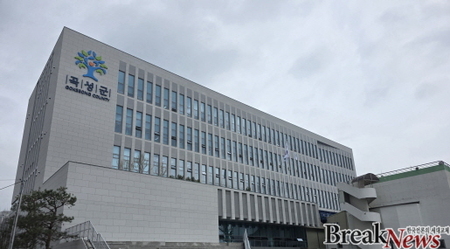
▲ 광양시가 「광양 섬진강 재첩잡이 손틀어업」이 세계중요농업유산(GIAHS)으로 등재된 것을 계기로 재첩을 비롯한 지역 수산물의 ‘K-푸드화’에 본격화하기로 했다. |
전남 광양시는 23일 '광양 섬진강 재첩잡이 손틀어업'이 세계중요농업유산(GIAHS)으로 등재된 것을 계기로 재첩을 비롯한 지역 수산물의 'K-푸드화'에 본격 나선다고 밝혔다.
광양은 성불·동곡·어치·금천계곡의 4대 계곡으로 대표되는 청정한 자연환경과 마로·불암·봉암·중흥산성의 4대 산성이 간직한 깊은 역사와 문화가 어우러진 지역이다.
예로부터 장어·전어·벚굴·재첩 등 수산물이 풍부한 고장으로 알려져 있으며 초남 장어구이는 담백하고 부드러운 맛으로 광양을 대표하는 보양식으로 사랑받고 있다.
가을 제철 전어는 고소한 풍미로 지역 축제의 대표 먹거리로 자리 잡았고 벚굴은 섬진강의 명물로 매화축제 기간 광양을 찾는 관광객들에게 봄철 별미로 각광받고 있다. 재첩은 국과 무침 등 다양한 요리로 사계절 미식가들의 발길을 끌고 있다.
광양시에 따르면 이번 등재를 통해 섬진강 하류 일대에서 오랜 세월 이어져 온 전통 어업문화가 국제사회로부터 보전 가치와 지속가능성을 공식 인정받음에 따라 시는 이를 지역 어업유산의 세계적 위상 강화와 수산업 산업화의 전환점으로 삼아 정책적 지원을 확대할 계획이다.
나아가 재첩을 비롯한 지역 수산물을 통합한 ‘광양 4대 수산물’ 체계를 확립하고 브랜드화 전략을 본격 추진해 지역 수산업의 경쟁력과 지속가능성을 높여 나갈 방침이다.
시는 재첩을 광양형 K-푸드로 육성하기 위해 ‘재첩파스타’ 등 특화 메뉴 개발과 음식 특화거리 안내판 설치, 수산물 소비촉진 캠페인, 수산물 직거래 장터 운영 등 관광·홍보·유통이 연계된 종합 전략을 적극 추진한다.
또 △수산자원 보전 △유통·가공 경쟁력 강화 △체험·관광 연계 △글로벌 브랜드화 4대 수산 전략 축을 중심으로 단계별 실행계획을 수립하고, 재첩시범학교 운영, 거랭이 체험 프로그램, 기업 참여형 ESG 모델 개발, 손틀어업 전통 보전사업 등 시민과 함께 추진하며 지속가능한 어업유산 관리체계를 구축해 나갈 예정이다.
정인화 시장은 "광양 섬진강 재첩은 지역민이 자연과 공존하며 지켜온 전통의 상징이자 미래세대를 위한 소중한 자산"이라며 "재첩뿐만 아니라 장어·전어·벚굴 등 광양의 수산물을 세계적인 K-푸드로 발전시켜 지역경제와 관광산업의 새로운 성장동력으로 만들겠다"고 말했다.
한편 '광양 섬진강 재첩잡이 손틀어업'은 국내 어업 분야 최초로 세계중요농업유산(GIAHS)에 등재됐으며 공식 등재 인증서 수여식은 오는 31일 이탈리아 로마에서 열릴 예정이다.
[아래는 구글로 번역한 영문기사 전문입니다. 영문번역에 오류가 있을 수 있음을 전제로 합니다. Below is the full English article translated by Google. It is assumed that there may be errors in the English translation.]Gwangyang Seomjingangjaecheop designated as a Globally Important Agricultural Heritage System... K-Food takes a leap forward..Gwangyang City is promoting the branding of its four major seafood products: eel, squid, oysters, and clams...Reporter Kim Doo-hwan
Gwangyang City, South Jeolla Province, announced on the 23rd that it will actively promote the "K-food" aspect of local seafood, including clams, following the designation of the "Gwangyang Seomjin River Corvina Hand-Catching" as a Globally Important Agricultural Heritage System (GIAHS).
Gwangyang is a region characterized by a pristine natural environment, represented by the four major valleys of Seongbul, Donggok, Eochi, and Geumcheon, and a rich history and culture preserved by the four major mountain fortresses of Maro, Bulam, Bongam, and Jungheungsanseong.
Since ancient times, it has been known for its abundant seafood, including eel, gizzard shad, oysters, and clams. Chonam grilled eel, with its mild and tender flavor, is a beloved nutritious dish representing Gwangyang.
Gizzard shad, a seasonal autumn dish, has become a staple at local festivals for its savory flavor. Oysters, a specialty of the Seomjin River, are a springtime delicacy enjoyed by tourists visiting Gwangyang during the plum blossom festival. Jaecheop, a type of clam, attracts gourmets year-round in a variety of dishes, including soups and side dishes.
According to Gwangyang City, this designation officially recognizes the international community for the preservation value and sustainability of the traditional fishing culture that has persisted in the lower reaches of the Seomjin River for centuries. The city plans to use this as a turning point for strengthening the global status of the region's fishing heritage and industrializing the fishing industry, expanding policy support.
Furthermore, the city plans to establish a "Gwangyang Four Major Seafoods" system that integrates local seafood, including Jaecheop, and actively pursue a branding strategy to enhance the competitiveness and sustainability of the local fishing industry.
To foster Jaecheop as a Gwangyang-style K-food, the city will actively pursue a comprehensive strategy that links tourism, promotion, and distribution. This includes developing specialty menus like "Jaechop Pasta," installing signage along food-specific streets, promoting seafood consumption, and operating a direct seafood market.
Furthermore, a phased implementation plan will be established centered on four key fisheries strategic axes: △ conservation of fishery resources, △ strengthening distribution and processing competitiveness, △ experience and tourism linkages, and △ global branding. The plan will also involve citizens in implementing projects such as the operation of a corvina model school, a squid fishing experience program, the development of a corporate-participatory ESG model, and the preservation of the traditional hand-held fishing method. This will establish a sustainable fisheries heritage management system.
Mayor Jeong In-hwa stated, "Gwangyang Seomjin River corvina is a symbol of the local people's tradition of coexisting with nature and a valuable asset for future generations. We will develop Gwangyang's seafood, including corvina, eel, gizzard shad, and oysters, into world-class K-food, thereby creating a new growth engine for the local economy and tourism industry."
Meanwhile, the "Gwangyang Seomjin River Corvina Hand-held Fishing Method" has become the first Korean fisheries to be listed on the Globally Important Agricultural Heritage Systems (GIAHS) list. The official certification ceremony will be held in Rome, Italy, on October 31st.
원본 기사 보기:브레이크뉴스전남동부