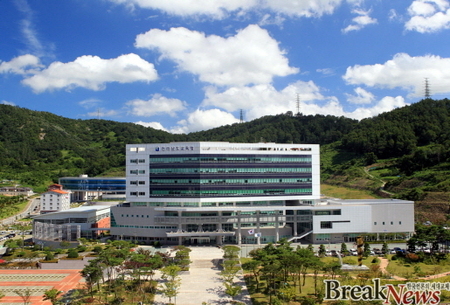
▲ 경북교육청 전경 ©경북교육청 |
【브레이크뉴스 경북】진예솔 기자=경북교육청(교육감 임종식)이 올해 ‘농어촌 참 좋은 작은 학교’ 공모전에서 전국 최다인 6개 학교가 선정되는 쾌거를 이뤘다.
교육청은 24일, 교육부가 주관한 ‘2025년 농어촌 참 좋은 작은 학교 공모전’에서 남계초(구미), 증산초(김천), 문경초(문경), 춘양초(봉화), 수륜초(성주), 점곡초(의성) 등 6개 학교가 ‘참 좋은 학교’에 선정됐다고 밝혔다.
‘농어촌 참 좋은 작은 학교’ 공모전은 농어촌의 강점과 특색을 살린 교육 프로그램 우수사례를 발굴·확산하고자 2020년부터 교육부가 진행해온 사업이다.
올해는 전국적으로 15개 학교가 뽑혔으며, 경북은 6개교가 선정돼 전국 최다 선정 지역으로 이름을 올렸다. 경북교육청은 최근 6년간 23개 학교가 ‘우수학교’에 이름을 올리는 등 전국 최고 수준의 성과를 이어가고 있다.
남계초는 ‘이음교실’ 운영을 통해 농촌 학교 살리기와 지역 상생을 실천하고 있다. 도농 간 공동교육과정 덕분에 작은 학교는 학생수가 늘어 정상적인 운영이 가능해졌고, 큰 학교 학생들은 생태체험 등 다양한 프로그램을 경험할 수 있게 됐다.
증산초는 학생, 교직원, 학부모, 지역사회가 힘을 모아 학생 한 명 한 명의 고유한 가치를 발견하고, 문화·예술 중심 교육으로 맞춤형 성장을 지원하고 있는 점이 높은 평가를 받았다.
문경초는 자연환경을 바탕으로 전교생이 어울려 배우고 성장하는 공동체 학교다. 지역 전통과 문화를 반영한 특별한 교육 프로그램도 눈길을 끈다.
춘양초는 학교와 지자체, 마을 공동체가 협력해 학생 개개인에 맞는 배움을 실현하고, 농어촌 교육여건 개선과 미래 역량 강화에 힘을 쏟고 있다.
수륜초는 초·중 연계 공동교육과정과 마을 단위 교육, 현장 체험과 예술 교육을 통해 외진 지역의 한계를 극복하며 교육 경쟁력을 높이고 있다.
점곡초는 지역 자원을 연계한 융합교육과 공동체 협력을 바탕으로 도시와 농촌을 잇는 배움의 장을 열고, 다양한 특색 프로그램으로 꾸준히 성장하고 있다.
경북교육청은 계속되는 학생 수 감소와 소규모 학교의 어려움 속에서도 ‘작은 학교 자유학구제’, ‘작은 학교 가꾸기’, ‘꿈 키움 작은 학교 인증제’ 등 다양한 정책으로 농산어촌 교육의 격차 해소에 앞장서고 있다.
임종식 교육감은 “학령인구 감소 속에서도 작은 학교의 가치를 다시 찾아 모두가 성장할 수 있는 교육 환경을 만들겠다”며 “앞으로도 지역과 함께하는 지속가능한 농어촌 교육 모델을 확산해 나가겠다”고 밝혔다.
<구글 번역으로 번역한 영문 기사의 전문 입니다. 번역에 오류가 있을 수 있음을 밝힙니다.>
The Gyeongbuk Office of Education (Superintendent Lim Jong-sik) achieved the remarkable feat of selecting six schools, the most in the nation, in this year's "Great Small Schools in Rural Areas" contest.
On the 24th, the Office of Education announced that six schools—Namgye Elementary School (Gumi), Jeungsan Elementary School (Gimcheon), Mungyeong Elementary School (Mungyeong), Chunyang Elementary School (Bonghwa), Suryun Elementary School (Seongju), and Jeomgok Elementary School (Uiseong)—were selected as "Great Schools" in the "2025 Great Small Schools in Rural Areas" contest hosted by the Ministry of Education.
The "Great Small Schools in Rural Areas" contest, launched by the Ministry of Education in 2020, aims to discover and disseminate best practices in educational programs that capitalize on the strengths and unique characteristics of rural areas.
This year, 15 schools were selected nationwide, with Gyeongbuk receiving the most selections, with six schools selected. The Gyeongbuk Office of Education has consistently achieved top-tier performance nationwide, with 23 schools being named "Outstanding Schools" over the past six years.
Namgye Elementary School is revitalizing rural schools and fostering mutual prosperity within the local community through its "Connected Classroom" program. Thanks to the joint urban-rural curriculum, smaller schools have been able to operate normally due to increased student enrollment, while students at larger schools have access to diverse programs, including ecological experiences.
Jeungsan Elementary School received high praise for its collaborative approach between students, faculty, parents, and the local community to discover each student's unique value and support personalized growth through a culture- and arts-centered education.
Mungyeong Elementary School is a community school where all students learn and grow together, surrounded by a natural environment. Its unique educational programs, reflecting local traditions and culture, are also noteworthy.
Chunyang Elementary School collaborates with the school, local government, and the local community to provide personalized learning experiences for each student, striving to improve educational conditions in rural areas and build future capabilities.
Suryun Elementary School overcomes the limitations of its remote location and enhances its educational competitiveness through a joint elementary and middle school curriculum, community-based education, field experience, and arts education.
Jeomgok Elementary School, based on integrated education and community collaboration that leverages local resources, opens a learning environment bridging urban and rural areas, and continues to grow through diverse, unique programs.
Despite the ongoing decline in student numbers and the challenges faced by small schools, the Gyeongbuk Office of Education is taking the lead in bridging the educational gap in rural and fishing villages through various policies such as the "Small School Free School District System," "Small School Development," and the "Dream Nurturing Small School Certification System."
Superintendent Lim Jong-sik stated, "Despite the declining school-age population, we will rediscover the value of small schools and create an educational environment where everyone can thrive. We will continue to expand this sustainable rural education model that works with the local community."
원본 기사 보기:브레이크뉴스 대구경북