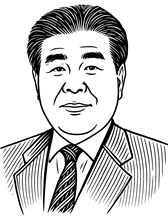
▲ 정길선 박사 ©브레이크뉴스 |
오늘 10월 26일에는 아르헨티나의 총선이 벌어진다. 자유주의 경제학자 출신인 하비에르 밀레이 대통령은 2023년 12월에 취임하여 약 2년 동안 강도 높은 구조 조정 정책을 펼치기 시작한다. 그는 대선 기간 동안 각종 폐해를 잘라 버리겠다며 전기톱을 들고 유세장에 등장하여 수많은 아르헨티나 국민들의 마음을 사로잡았다. 이처럼 밀레이는 기성 정치권인 "페론주의자"들과의 결별을 선포했다. 이후 밀레이는 취임한 다음 엄청난 인플레이션을 잡겠다며 각종 보조금들을 삭감했다. 그리고 공공 일자리들을 축소하는 등 고강도 긴축 정책을 펼치게 된다. 이러한 밀레이의 경제 개혁은 시간이 지나자 어느 정도 성과를 보이기 시작했다. 특히 최대의 문제점으로 나타났던 살인적인 인플레이션은 2023년 그가 취임했을 시기보다 훨씬 줄었다. 2024년 4월 289.4%까지 올랐던 물가 상승률은 같은 해 12월 117.8%까지 감소했고, 이는 2025년 8월 기준 34%까지 내려갔다. 2023년 11월 5억 5,900만 달러(한화 약 8,200억 원)에 달했던 무역적자도 취임 1년 만인 지난해 2024년 12월에는 흑자로 전환되었을 정도로 호조를 보였다.
이처럼 겉으로 나타난 성과들은 훌륭했지만 속 안에 쌓여있는 내부의 문제점은 그대로 남아있었다. 이는 빈부격차가 여전히 해소되지 못했고, 겉으로 나타난 경제 수술을 감행한 셈이 되었다. 고질적인 병폐를 해결하지 못한 사실상 모래 위에 구축한 성이 되어버린 셈이 된 것이다 블룸버그 통신은 밀레이의 "전기톱 개혁"이 겉고름만 겨우 짜낸 "전기톱 대학살"이 됐다며 강하게 비판했다. 인플레이션은 어찌저찌 겨우 잡았지만 심각한 경기 침체와 실업률은 여전히 해소되지 않았기에 여론이 크게 악화되기 시작했다. 특히 2023년 4분기 밀레이가 대통령에 취임했을 당시 5.7%였던 실업률은 2025년 2분기를 기준하여 7.6%로 올랐고, 여전히 30%대인 물가 상승률 또한 가계에 부담이 크게 나타났다. 이에 영국 이코노미스트(Economist)에 따르면 보조금 축소 등의 여파로 인해 대중교통이나 에너지 수급 관련 요금은 300% 이상 급등하면서 오히려 서민들의 불편을 야기했다. 여기에 안정적인 물가에만 집중한 나머지 환율 방어에 외환을 엄청나게 투입하면서 재정에 대한 위기감이 고조되기 시작했다. 거기에 인위적으로 페소화를 절하하는 과정에서 애초부터 부족했던 외환 보유고는 거의 텅 비다시피했다. 게다가 페소화의 약세로 인해 수출 경쟁력이 줄어들면서 노동집약적 제조업 또한 막대한 타격을 입었다.
파이낸셜 타임스에 의하면 어떤 대가를 치르면서도 인플레이션을 낮추는 것에만 집착한 밀레이는 경제 성장을 저해시키고 수입을 빨아 들이는 구조로 변모시켰으며 엄청난 외채를 상환하는 것에 필요한 달러 재고 구축을 방해했다고 지적했다. 아르헨티나는 2025년 4월 IMF에서 200억 달러를 추가 구제 금융을 받아내는 등 ,여전히 빚에 신음하고 있는 실정이다. 환율 불안을 막기 위해 미국과 통화스와프를 체결했지만 나아질 기미가 보여지지 않는다. 경제난으로 인해 전국에서 밀레이 정부에 대한 반발 조짐이 거세지고 있는 상태다. 이는 지난 9월초, 아르헨티나 전체 인구의 약 40%가 거주하는 부에노스아이레스 주 지방 선거에서 밀레이는 대참패를 당했는데 이는 바로 아르헨티나 국민들이 밀레이의 정책에 대한 항의성 민심으로 나타난 것이다. 게다가 좌파 포퓰리즘 성향의 야당 연합에게 패배한 것은 시장에도 적지 않은 충격을 주었다. 그렇기 때문에 10월 26일에 벌어질 총선에도 밀레이가 승리할 가능성이 매우 낮은 것으로 나타나고 있다. 자유주의 정책 기조가 완전히 바뀔 것이라는 우려가 커지게 되니 2주 만에 페소화 가치가 10% 더 폭락했다. 그러자 부에노스아이레스 중앙은행은 지난 9월 18~20일의 약 3일 간 11억 달러를 투입해 환율을 방어했다.
트럼프 행정부에서 이례적으로 아르헨티나에 전폭적인 지원을 예고했다. 그러나 전망은 그다지 좋지 않다. 특히 밀레이 정부의 인플레이션 억제 정책의 핵심이 초강력 재정 긴축과 엄격한 통화 관리에 있던 만큼 정부가 외환 시장에 대한 개입을 지속할 가능성이 매우 높다. 밀레이 정부 첫 6개월 동안 이르헨티나 경제부에서 일하다 밀레이 대통령과의 견해차로 인해 사임한 호아킨 코타니(Joaquín Cottani)는 미국이 환율의 변동과 외환보유고 확보 계획 실행, 금리 통제 등을 아르헨티나에 대한 지원 조건으로 내걸 수 있다고 전망했다. 이어 미국의 지원은 정부가 일관된 환율 및 통화 정책을 함께 시행할 경우에만 도움이 될 것이라 했다. 코타니는 밀레이가 유권자들의 확고한 지지를 얻지 못한다면 미국과 투자자들에게 희망적인 결과는 나타나지 않는다고 경고했다. 한편 스콧 베센트 미국 국무장관은 워싱턴 D.C를 방문한 루이스 카푸토(Luis Caputo) 아르헨티나 경제장관과 4일 동안 회담을 가졌다. 베센트는 SNS에 트럼프의 아메리카 퍼스트 경제 리더십은 공정한 무역과 미국 투자를 환영하는 동맹을 강화하는 것에 전념하고 있다고 언급하면서 아르헨티나는 심각한 유동성 부족의 순간에 직면해 있고, 이를 신속하게 해결해 줄 수 있는 나라는 미국 밖에 없다고 강조했다.
그러면서 미국은 총 200억 달러 규모의 통화 스와프를 최종 확정했고, 아르헨티나 페소를 직접 매입했다고 했다. 미국이 상대국의 외환 시장을 구제하기 위해 IMF 등과 공조하지 않고 페소화를 직접 매입과 같은 일방적인 지원을 한 것은 극히 이례적인 사례로 나타난다. 이와 같은 조치가 발표되자 아르헨티나 국채 가격은 급등했으며 페소화도 0.6% 상승하며 1주일 만에 가장 강한 수준을 보이기도 했다. 트럼프 정부가 아르헨티나를 전폭적으로 지원한 이유는 마가(MAGA) 진영과 가까운 밀레이의 우파 정부가 경제 위기로 인해 붕괴될 위험, 가장 가깝게 지방 선거의 패배에 이은 총선에서 패배할 것 같은 불안감이 깔려있기 때문이다. 트럼프와 베센트는 자신들의 정치 동맹인 밀레이가 10·26 총선에서 승리하는 것을 돕고, 밀레이의 패배가 예상된다는 불안한 시장을 안정적으로 돌리게 하는 것을 목표로 하고 있다. 물론 미국 내에서는 아르헨티나에 대한 유례 없는 이번 조치를 두고 세금을 외국 정부 지원에 사용하는 것을 비판하는 사람들도 많다. 이는 평소 트럼프와 마가 진영에서 내세우는 아메리카 퍼스트 정책의 기조와 맞지 않기 때문이다. 그러나 트럼프는 밀레이에게 변함없는 신뢰를 보내고 있는 실정이다.
그런데 밀레이 대통령이 총선을 앞두고 유세 지원에 나섰다가 시위대가 던진 돌에 맞을 뻔한 사건이 발생한다. 당시 부에노스아이레스 교외 지역에서 밀레이가 유세 차량을 타고 여당의 총선 출마자들의 선거운동을 지원하던 중 시위대가 던진 돌이 밀레이의 머리 쪽으로 날아 들어온 사건이었다. 신변의 위협을 느낀 밀레이와 수행단은 곧바로 다른 차량에 옮겨 탑승한 뒤 현장을 빠져 나갔다. 이와 같은 유세 현장에서 군중들 사이에는 몸싸움도 벌어지기도 했다. 게다가 밀레이 대통령의 여동생이자 비서실장인 카리나 밀레이(Karina Milei)는 2025년 8월 의약품 조달과 관련하여 뇌물수수 의혹에 휩싸이며 국민감정이 그다지 좋지 않은 상태다. 밀레이의 친구인 디에고 스파뇰로(Diego Spagnolo) 국립 장애인 청장이 현지 제약회사인 스위소 아르헨티나(Suizo Argentina SA)에 정부와 장애인 공공 의료품 구매 계약을 맺을 경우 계약금의 8%를 뇌물로 요구하는 녹취가 최근 공개되었는데 이중 3%가 카리나의 몫으로 떼어달라는 내용이 있어 아르헨티나 국민들을 분노하게 했다. 이러한 일련의 사건들은 밀레이의 여당인 자유당(Libertarian Party)에게 매우 불리하게 작용하고 있다. 결국 밀레이는 이번 총선에서 패배할 가능성이 매우 높다고 본다.
*필자/ 정길선.
노바토포스 회원, 역사학자, 고고인류학자, 칼럼니스트, 러시아 과학아카데미 유라시아 고고인류학연구소 연구교수.
*아래는 위 기사를 '구글 번역'으로 번역한 영문 기사의 [전문]입니다. '구글번역'은 이해도 높이기를 위해 노력하고 있습니다. 영문 번역에 오류가 있을 수 있음을 전제로 합니다.<*The following is [the full text] of the English article translated by 'Google Translate'. 'Google Translate' is working hard to improve understanding. It is assumed that there may be errors in the English translation.>
Argentina's General Election Today: President Javier Milley Faces New Challenges
Columnist Gil-seon Jeong
Today, October 26th, Argentina holds its general election. President Javier Milley, a liberal economist, will take office in December 2023 and begin implementing a two-year, intensive restructuring policy. During his campaign, he captivated the hearts of many Argentines by appearing at campaign rallies wielding chainsaws, promising to eliminate various corruptions. Milley thus declared a break with the established political establishment, the "Peronists." After taking office, Milley cut various subsidies, vowing to curb sky-high inflation. He also implemented austerity measures, including the reduction of public sector jobs. Milley's economic reforms have begun to show some results over time. In particular, the most significant problem, the crippling inflation, has significantly decreased since he took office in 2023. The inflation rate, which had reached 289.4% in April 2024, decreased to 117.8% in December of the same year, and then to 34% by August 2025. The trade deficit, which reached $559 million (approximately 820 billion won) in November 2023, turned into a surplus in December 2024, just one year after taking office, showing a favorable trend.
While these outwardly visible achievements were impressive, underlying problems remained. This meant that the gap between the rich and the poor remained unresolved, effectively undertaking a superficial economic surgery. It effectively became a castle built on sand, failing to address deep-seated problems. Bloomberg News strongly criticized Millay's "chainsaw reforms," saying they had merely squeezed the surface and become a "chainsaw massacre." Inflation was barely contained, but the severe economic downturn and unemployment remained, leading to a sharp deterioration in public opinion. In particular, the unemployment rate, which stood at 5.7% when Millay took office in the fourth quarter of 2023, had risen to 7.6% by the second quarter of 2025. The inflation rate, still in the 30% range, was also placing a significant burden on households. According to the Economist, subsidy reductions had caused public transportation and energy fares to soar by over 300%, further inconveniencing ordinary citizens. Furthermore, the government's focus on stabilizing prices led to a massive injection of foreign currency to defend the exchange rate, further fueling a sense of fiscal crisis. Furthermore, the artificial devaluation of the peso virtually emptied the already insufficient foreign exchange reserves. Furthermore, the weakening peso weakened export competitiveness, significantly impacting labor-intensive manufacturing.
According to the Financial Times, Milley's obsession with lowering inflation at all costs has stunted economic growth, transformed the economy into a system that sucks up imports, and hindered the building of dollar reserves necessary to repay massive foreign debt. Argentina remains mired in debt, requiring an additional $20 billion in bailout funds from the IMF in April 2025. Despite signing a currency swap agreement with the United States to prevent exchange rate instability, there are no signs of improvement. The economic crisis has fueled growing opposition to Milley's government across the country. This was evident in early September, when Milley suffered a crushing defeat in local elections in Buenos Aires Province, home to approximately 40% of Argentina's population. This defeat was a direct response to the Argentine people's protests against Milley's policies. Furthermore, the defeat by a left-wing populist opposition coalition sent a significant shockwave through the markets. Therefore, Milley's chances of victory in the general elections on October 26th appear very slim. Concerns grew that the liberal policy stance would be completely reversed, causing the peso to plummet by another 10% in two weeks. The Central Bank of Buenos Aires responded by injecting $1.1 billion over three days, September 18-20, to defend the currency.
The Trump administration has announced unprecedented, comprehensive support for Argentina. However, the outlook is not bright. Given that the Milley administration's anti-inflation policy revolved around extreme fiscal austerity and strict monetary control, it is highly likely that the government will continue to intervene in the foreign exchange market. Joaquín Cottani, who served in Argentina's Ministry of Economy during the first six months of the Milley administration and resigned due to disagreements with President Milley, predicted that the United States could demand that Argentina volatility in the exchange rate, implementation of a plan to build foreign exchange reserves, and interest rate controls be conditions for its support. He went on to say that US support would only be beneficial if the government implemented consistent exchange rate and monetary policies. Kotani warned that if Millay did not secure strong support from voters, the outcome would not be promising for the US and investors. Meanwhile, US Secretary of State Scott Bessent met with Argentine Economy Minister Luis Caputo, who was visiting Washington, D.C., for four days. Bessent stated on social media that Trump's "America First" economic leadership is committed to strengthening alliances that welcome fair trade and US investment, emphasizing that Argentina is facing a severe liquidity shortage and that the US is the only country that can quickly resolve it.
He also announced that the US had finalized a currency swap agreement totaling $20 billion and directly purchased Argentine pesos. It is highly unusual for the US to provide unilateral support, such as direct purchases of pesos, without cooperating with the IMF or other institutions to rescue a country's foreign exchange market. Following the announcement of this measure, Argentine government bond prices surged, and the peso rose 0.6%, reaching its strongest level in a week. The Trump administration's full-fledged support for Argentina stems from the threat of the collapse of Millais' right-wing government, which is close to the MAGA camp, due to the economic crisis, and the fear that Millais's defeat in the general election, following a defeat in the local elections, will be the most immediate threat. Trump and Bessent aim to help Millais, their political ally, win the October 26 general election and stabilize the volatile market, which is expected to see Millais' defeat. Of course, many in the United States criticize this unprecedented measure against Argentina for using taxpayer money to support a foreign government. This is inconsistent with the America First policy advocated by Trump and the MAGA camp. However, Trump maintains his unwavering trust in Millais.
However, an incident occurred in which President Millais was nearly struck by a rock thrown by protesters while campaigning for support ahead of the general election. At the time, Milei was riding in a campaign vehicle supporting the ruling party's general election candidates in a suburb of Buenos Aires when a rock thrown by a protester struck Milei's head. Feeling threatened for their safety, Milei and his entourage immediately moved to another vehicle and fled the scene. There were also scuffles among the crowd at the campaign site. Furthermore, Karina Milei, President Milei's sister and chief of staff, was embroiled in bribery allegations related to the procurement of medical supplies in August 2025, and public sentiment is not very good. Recently, a recording was released in which Milei's friend, Diego Spagnolo, the head of the National Institute for Disability, demanded an 8% bribe from Suizo Argentina SA, a local pharmaceutical company, when signing a contract with the government to purchase public medical supplies for the disabled, of which 3% was to be kept for Karina, angering the Argentine people. This series of events is working extremely unfavorably for Millay's ruling Liberal Party. Ultimately, Millay is highly likely to lose this general election.