브레이크뉴스 김충열 정치전문기자 = 올해 2분기 말 자영업자 대출액은 사상 최대인 1,069.6조원으로 집계됐으며, 동기간 저소득 자영업자만 대출이 증가한 것으로 나타났다.
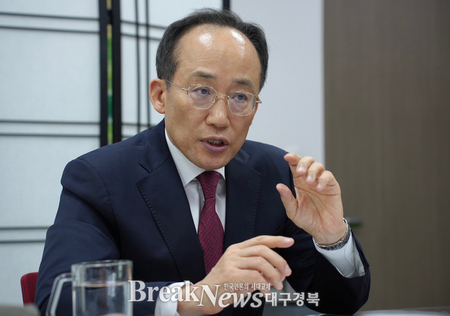
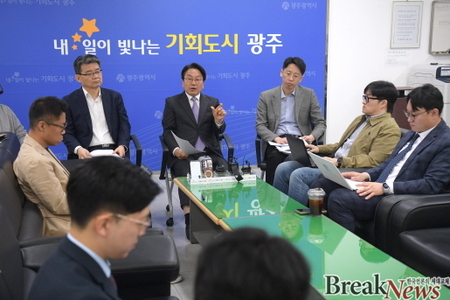
 ▲ 유동수 의원은 “경기 침체의 장기화로 취약자영업자의 부채 부담과 부실화 위험이 더욱 커지고 있다”며 “최근 금융위원회가 새출발기금 제도 개선책을 발표했으나, 현 제도만으로는 급증하는 취약 채무의 구조적 문제를 해소하기에는 역부족이다”고 밝혔다. © 김충열 정치전문기자 |
유동수 의원(제20대·제21대·제22대 인천계양갑, 더불어민주당 정책위 경제수석부의장)이 한국은행으로부터 제출받은 국정감사 자료에 따르면, 2025년 2분기 말 자영업자 대출 잔액은 1,069.6조원으로 관련 통계 집계 이래 최고치를 기록한 것으로 나타났다. 2025년 1분기 1,067.6조원에서 불과 3개월 사이에 2조원이 급등했다.
자영업자 대출 증가의 주된 원인은 취약 계층에 기인한 것으로 나타났다. 올해 1분기 대비 2분기에 고소득자영업자와 중소득자영업자의 대출잔액은 각각 0.7조원, 1.2조원 감소한 상황이다.
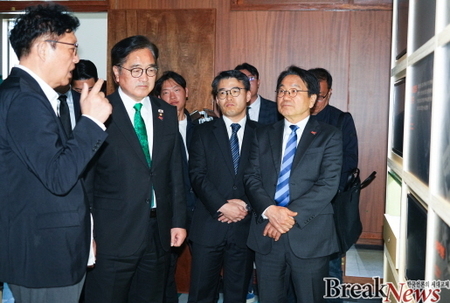
 ▲ 유 의원은 “금융당국은 새출발기금의 실효성을 높이는 한편, 보다 과감하고 신속하게 취약자영업자 채무 부담 완화를 위한 지원책을 마련할 필요가 있다”고 역설했다. © 김충열 정치전문기자 |
올해 2분기, 전분기 대비 저소득 자영업자만 대출잔액 3.8조원 증가...
고소득·중소득자영업자는 0.7조원·2조원 감소
반면, 소득 하위 30%에 속하는 저소득자영업자의 대출잔액은 2024년 1분기 이후 6분기 연속 증가했다. 올해 2분기 말 141.3조원으로 전분기 대비 3.8조원 확대됐다. 2분기 전체 자영업자 대출 증가분 약 2조원은 사실상 저소득 자영업자 대출 증가에서 비롯된 셈이다.
문제는 저소득자영업자의 상환 여력도 함께 악화되고 있다는 점이다. 올해 2분기 말 기준 저소득자영업자의 연체율은 2.07%로 전분기 대비 0.15%p 상승했다. 반면, 동기간 고소득자영업자의 연체율은 1.47%에서 1.34%로, 중소득자영업자는 3.46%에서 3.25%로 각각 0.13%p, 0.21%p 하락했다.
취약자영업자 지원을 위해 캠코는 채무조정 프로그램인 새출발기금 제도를 운영하고 있으나, 채권매입 실적은 기대에 크게 못 미치고 있는 실정이다. 2022년부터 올해 8월 말까지 새출발기금의 누적 채권매입 실적은 계획 대비 34%에 그쳐 제도의 실효성이 떨어지고 있다는 지적이 제기된다.
유동수 의원은 “경기 침체의 장기화로 취약자영업자의 부채 부담과 부실화 위험이 더욱 커지고 있다”며 “최근 금융위원회가 새출발기금 제도 개선책을 발표했으나, 현 제도만으로는 급증하는 취약 채무의 구조적 문제를 해소하기에는 역부족이다”고 밝혔다.
이어 유 의원은 “금융당국은 새출발기금의 실효성을 높이는 한편, 보다 과감하고 신속하게 취약자영업자 채무 부담 완화를 위한 지원책을 마련할 필요가 있다”고 역설했다. hpf21@naver.com
* 아래는 위 기사를 '구글 번역'으로 번역한 영문 기사의 [전문]입니다. '구글번역'은 이해도 높이기를 위해 노력하고 있습니다. 영문 번역에 오류가 있을 수 있음을 전제로 합니다. *The following is [the full text] of the English article translated by 'Google Translate'. 'Google Translate' is working hard to improve understanding. It is assumed that there may be errors in the English translation.
Rep. Yoo Dong-soo: "Self-employed loans reach record high of 1,069.6 trillion won...Debt concentrated among low-income self-employed"
The debt burden and risk of insolvency for vulnerable self-employed individuals are increasing...Bold and swift additional measures are needed.
Break News Political Reporter Kim Choong-lyoul = As of the end of the second quarter of this year, loans to self-employed individuals reached a record high of 1,069.6 trillion won. During the same period, loans increased only among low-income self-employed individuals.
According to parliamentary audit data submitted to Rep. Yoo Dong-soo (20th, 21st, and 22nd Incheon Gyeyang A, Senior Vice Chairman of the Economic Policy Committee of the Democratic Party of Korea) by the Bank of Korea, outstanding loans to self-employed individuals reached 1,069.6 trillion won at the end of the second quarter of 2025, the highest level since relevant statistics began being compiled. This represents a sharp increase of 2 trillion won in just three months from 1,067.6 trillion won in the first quarter of 2025.
The primary cause of the increase in loans to self-employed individuals was found to be vulnerable groups. Compared to the first quarter of this year, the outstanding loans to high-income and middle-income self-employed individuals decreased by 0.7 trillion won and 1.2 trillion won, respectively, in the second quarter.
In the second quarter of this year, only low-income self-employed individuals saw a 3.8 trillion won increase in outstanding loans compared to the previous quarter...
High-income and middle-income self-employed individuals saw a 0.7 trillion won and 2 trillion won decrease, respectively.
Conversely, the outstanding loans to low-income self-employed individuals, who fall within the bottom 30% of income brackets, have increased for six consecutive quarters since the first quarter of 2024. As of the end of the second quarter, the outstanding loans reached 141.3 trillion won, a 3.8 trillion won increase from the previous quarter. In effect, approximately 2 trillion won of the total increase in loans to self-employed individuals in the second quarter stemmed from the increase in loans to low-income self-employed individuals.
The problem is that the repayment capacity of low-income self-employed individuals is also deteriorating. As of the end of the second quarter of this year, the delinquency rate for low-income self-employed individuals was 2.07%, up 0.15 percentage points from the previous quarter. Conversely, the delinquency rate for high-income self-employed individuals fell from 1.47% to 1.34%, and for mid-income self-employed individuals, from 3.46% to 3.25%, down 0.13 and 0.21 percentage points, respectively.
To support vulnerable self-employed individuals, KAMCO operates the New Start Fund, a debt adjustment program. However, bond purchase performance has fallen far short of expectations. From 2022 to the end of August this year, the New Start Fund's cumulative bond purchases amounted to only 34% of the planned amount, raising concerns about the program's effectiveness.
Rep. Yoo Dong-soo stated, "The prolonged economic downturn is increasing the debt burden and risk of insolvency for vulnerable self-employed individuals." He added, "While the Financial Services Commission recently announced improvements to the New Start Fund system, the current system alone is insufficient to address the structural problems of rapidly increasing vulnerable debt."
Rep. Yoo further emphasized, "Financial authorities need to enhance the effectiveness of the New Start Fund while also devising bolder and more swift support measures to alleviate the debt burden of vulnerable self-employed individuals." hpf21@naver.com