【브레이크뉴스 경주】박희경 기자=APEC 정상회의를 계기로 국제도시로 도약한 경주가 이제 ‘시민이 주인공이 되는 시정’으로 방향을 전환하고 있다.
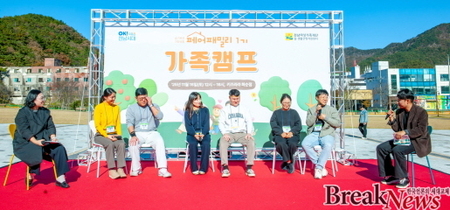
 ▲ 2020년 11월 제2회 경주시민원탁회의가 경주시청 알천홀에서 열려 시민들이 출생률 감소 등 지역 현안을 주제로 토론하고 있다. © 경주시 |
경주시는 2019년부터 ‘시민원탁회의’를 도입해 시민의 제안을 정책으로 연결하는 ‘경주형 협치행정 모델’을 구축했다. 6년째 이어지는 이 회의는 단순한 토론을 넘어 실제 시정을 움직이는 시민참여 플랫폼으로 자리매김했다.
포스트 APEC 시대를 맞아 행정이 일방적으로 정책을 추진하던 방식에서 벗어나, 시민의 목소리를 정책의 출발점으로 삼는 ‘참여행정’으로 변화하고 있는 경주의 새로운 시정 패러다임을 짚어본다.
시민과 행정이 함께 설계한 ‘숙의의 장’
경주시민원탁회의는 특정 단체나 전문가만의 자리가 아니다. 일반 시민 누구나 참여해 자유롭게 토론하고 제안할 수 있는, 경주의 대표적인 시민참여 프로그램이다.
2019년 첫 회를 시작으로 올해 9월까지 총 18회가 열렸다. 경주시는 ‘시민원탁회의 운영 및 지원에 관한 조례’를 근거로 매년 정기적으로 회의를 개최하고 있으며, 시민이 직접 의제를 제안하고 토론을 통해 해법을 모색하는 구조로 발전시켜 왔다.
참가자들은 생활 속 불편부터 지역 현안, 도시의 미래 비전까지 폭넓은 주제를 놓고 의견을 나눈다. 시는 회의 결과를 단순히 청취하는 데 그치지 않고, 관련 부서 검토를 거쳐 실제 정책에 반영하고 있다.
그 결과 일부 제안은 이미 실행 단계에 들어서 ‘시민이 만든 정책’으로 평가받고 있다. 코로나19 시기에도 행사는 중단되지 않았다. 시는 회차를 분산 개최하고 무선투표시스템 등 디지털 기술을 도입해 시민의견을 실시간으로 집계·반영함으로써 토론의 신뢰성과 투명성을 높였다.
이처럼 경주시민원탁회의는 단순한 행정행사를 넘어 시민의 집단지성이 시정을 움직이는 힘으로 작동하는 ‘숙의의 장(場)’으로 자리잡고 있다.
시민이 제안하고 행정이 응답하다
경주시는 원탁회의에서 제시된 시민 의견을 단순히 참고자료로 남기지 않는다. 회의마다 나온 제안을 부서별로 검토해 실제 시정에 반영하고 있으며, 시민 아이디어가 행정의 손을 거쳐 정책으로 이어지는 ‘참여행정’의 모범 사례들이 속속 나오고 있다.
지난해 9월 열린 제15회 시민원탁회의에서는 ‘APEC 정상회의 성공개최를 위한 시민실천방안’이 논의됐다. 시민들은 “친절한 경주가 곧 APEC의 성공”이라며 바가지 요금 없는 서비스 문화 확산을 제안했다.
이에 경주시는 택시 기사와 음식점 종사자를 대상으로 친절 교육을 정기적으로 운영하고, ‘위생·친절 토크콘서트’를 통해 시민 응대 문화를 개선했다. 자원봉사단은 ‘클린데이’와 ‘손님맞이 새단장의 날’ 캠페인을 펼쳐 시민이 직접 참여하는 실천운동으로 발전시켰다.
또한 외국인 관광객을 위한 기초 외국어 교육 필요성이 제기되자, 시는 평생학습가족관을 중심으로 영어·중국어·일본어·베트남어 등 단기 회화 강좌를 개설해 관광 현장에서 바로 활용할 수 있도록 했다. 시민의 제안이 즉시 행정 실행으로 이어진 대표 사례다.
시민 제안은 문화·관광을 넘어 일상 속 정책으로도 확산되고 있다.
지난해 5월 열린 제14회 회의 ‘멍멍야옹, 펫산업을 말해보자’에서는 “반려동물과 함께 즐길 수 있는 복합문화공간이 필요하다”는 의견이 나왔다. 이 제안은 시가 준비 중이던 반려동물 테마파크 사업과 맞물리며 추진에 속도가 붙었다. 시는 사업 부지 검토를 마치고 올해 기본계획 수립 용역에 착수했으며, 운동장·수영장·산책로 등을 갖춘 대규모 테마파크 조성을 본격화하고 있다.
생활 불편을 해소한 사례도 있다. 2023년 제11회 원탁회의에서 제안된 ‘현곡면 금장사거리~나원초등학교 구간 인도 설치’ 사업이 대표적이다. 보행자 안전을 위해 절실했던 이 구간은 지난해 말 준공돼 통학로를 이용하는 학생과 주민들의 오랜 불편을 해소했다.
같은 해 제13회 회의에서는 ‘탄소중립 도시를 위한 시민실천방안’이 논의됐다. 시민들이 스스로 생활 속 실천리스트를 만들었고, 시는 이를 ‘경주시 탄소중립 녹색성장 기본계획’에 반영했다. 소상공인과 농업인 등 다양한 계층이 참여해 지속가능한 녹색도시의 기반을 마련한 셈이다.
이처럼 경주시민원탁회의는 시민 아이디어가 정책이 되고, 제안이 행동으로 이어지는 통로로 자리 잡았다. 시민이 문제를 제기하고 행정이 해법을 찾는 구조가 정착되면서 경주는 점점 더 ‘시민이 주인공인 도시’로 변화하고 있다.
포스트 APEC, 시민이 만드는 미래도시 경주
경주시는 시민원탁회의를 단순한 의견수렴 창구가 아닌 정책 실행의 출발점으로 운영하고 있다.
회의에서 나온 제안들은 행정 검토를 거쳐 시정에 반영되고, 지역 현안 해결과 도시 경쟁력 강화로 이어지고 있다. 이제 원탁회의는 경주만의 협치행정을 대표하는 상징이자 브랜드로 자리 잡았다.
특히 APEC 정상회의를 계기로 세계의 주목을 받은 이후, 경주는 ‘행정이 주도하는 도시’에서 ‘시민이 설계하는 도시’로 한 단계 진화하고 있다. 도시 발전의 축이 행정에서 시민으로 옮겨가면서, 시정의 방향도 ‘함께 만드는 경주’로 확실히 전환되고 있다.
시는 앞으로 생활·문화·환경 등 다양한 분야에서 시민 제안을 적극 수렴하고, 참여의 폭을 더욱 넓혀나갈 계획이다. 시민이 제안하고 행정이 실행하는 구조를 정착시켜 누구나 시정에 참여할 수 있는 협치의 기반을 공고히 한다는 구상이다.
주낙영 경주시장은 “경주시민원탁회의는 시민의 목소리를 시정에 직접 반영하는 가장 생동감 있는 통로”라며 “포스트 APEC 시대를 맞아 시민이 주인공이 되는 협치행정을 통해 더 나은 경주의 미래를 함께 설계하겠다”고 말했다.
<구글 번역으로 번역한 영문 기사의 전문 입니다. 번역에 오류가 있을 수 있음을 밝힙니다.>
Citizens propose, the administration implements… The power of citizens continues with the 18th edition of the “Gyeongju Citizens’ Roundtable.”
Gyeongju, which has leaped forward as an international city following the APEC Summit, is now shifting its focus to “Citizen-led municipal administration.”
Since 2019, Gyeongju City has established a “Gyeongju-style collaborative administrative model” by introducing the “Citizens’ Roundtable,” connecting citizen suggestions to policy. Now in its sixth year, this meeting has become a platform for citizen participation, moving beyond mere discussion to actually influencing municipal administration.
In the post-APEC era, we examine Gyeongju’s new administrative paradigm, moving away from the unilateral policy-making of the administration toward “participatory governance,” where citizens’ voices are the starting point for policy.
A “Forum for Deliberation” Designed by Citizens and the Administration
The Gyeongju Citizens’ Roundtable is not limited to specific groups or experts. It is a representative civic participation program in Gyeongju, where any citizen can freely participate, discuss, and make suggestions.
Beginning with the first meeting in 2019, a total of 18 meetings were held through September of this year. Based on the "Ordinance on the Operation and Support of the Citizens' Roundtable," Gyeongju City holds regular meetings annually. It has developed a structure where citizens directly propose agenda items and seek solutions through discussion.
Participants share their opinions on a wide range of topics, from everyday inconveniences to local issues and the city's future vision. The city goes beyond simply listening to the meeting results; it reviews them with relevant departments and incorporates them into actual policies.
As a result, some proposals have already entered the implementation stage, earning recognition as "citizen-created policies." Even during the COVID-19 pandemic, the city held the meetings in multiple locations and adopted digital technologies, such as a wireless voting system, to collect and reflect citizen opinions in real time, thereby enhancing the credibility and transparency of the discussions.
Thus, the Gyeongju Citizens' Roundtable has become more than just an administrative exercise, establishing itself as a "forum for deliberation" where the collective intelligence of citizens acts as a driving force in city governance.
Citizens Suggest, and the Administration Responds
Gyeongju City doesn't simply retain the citizen input presented at roundtable discussions as mere reference material. Each department reviews the proposals presented at each meeting and incorporates them into actual city administration. This has led to a steady stream of exemplary "participatory governance" initiatives, where citizen ideas are translated into policy through the administration.
At the 15th Citizens' Roundtable held last September, the topic of "Citizen Action Plans for a Successful Hosting of the APEC Summit" was discussed. Citizens proposed promoting a culture of service without overcharging, stating, "A friendly Gyeongju is the success of APEC."
In response, Gyeongju City regularly provides courtesy training for taxi drivers and restaurant workers and has improved its customer service culture through "Hygiene and Hospitality Talk Concerts." Volunteer groups have developed the "Clean Day" and "Guest Welcome Day" campaigns into practical initiatives involving direct citizen participation.
Furthermore, when the need for basic foreign language education for foreign tourists was raised, the city established short-term conversational courses in English, Chinese, Japanese, and Vietnamese, centered around the Lifelong Learning Family Center, to enable immediate application in tourism settings. This is a prime example of citizen suggestions leading to immediate administrative action.
Citizen suggestions are expanding beyond culture and tourism into everyday policy.
At the 14th meeting, "Let's Talk About the Pet Industry," held in May of last year, the idea emerged that "a complex cultural space where people can enjoy themselves with their pets is needed." This proposal, coupled with the city's ongoing pet theme park project, accelerated its progress. The city completed a site review and began drafting a master plan this year, and is now in full swing developing a large-scale theme park featuring a playground, swimming pool, and walking trails.
There are also examples of easing inconveniences. A prime example is the "Pedestrian crossing from Geumjang Intersection to Nawon Elementary School in Hyeongok-myeon," proposed at the 11th roundtable meeting in 2023. This section, desperately needed for pedestrian safety, was completed late last year, alleviating long-standing inconveniences for students and residents using the school route.
At the 13th meeting of the same year, the "Citizens' Action Plan for a Carbon-Neutral City" was discussed. Citizens created a list of practical actions they could take in their daily lives, and the city incorporated these into the "Gyeongju Carbon-Neutral Green Growth Master Plan." The participation of various groups, including small business owners and farmers, laid the foundation for a sustainable, green city.
In this way, the Gyeongju Citizens' Roundtable has become a channel through which citizen ideas become policy and proposals become action. As the structure where citizens raise issues and the administration finds solutions becomes established, Gyeongju is increasingly becoming a "city where citizens are the protagonists."
Post-APEC: Gyeongju: A Future City Created by Citizens
Gyeongju City operates the Citizens' Roundtable not simply as a forum for collecting opinions, but as a starting point for policy implementation.
Proposals from the meetings undergo administrative review and are reflected in city administration, leading to resolutions to local issues and enhanced city competitiveness. The Roundtable has now become a symbol and brand representing Gyeongju's unique collaborative governance.
Especially since the APEC Summit, which garnered global attention, Gyeongju has evolved from a "government-led city" to a "citizen-designed city." As the axis of urban development shifts from the administration to the citizens, the direction of city administration is also clearly shifting toward "Creating Gyeongju Together."
Going forward, the city plans to actively collect citizen suggestions in various areas, including lifestyle, culture, and the environment, and further expand the scope of participation. The goal is to establish a structure where citizens propose and the administration implements, solidifying the foundation for collaborative governance where everyone can participate in city administration.
Mayor Joo Nak-young of Gyeongju stated, "The Gyeongju Citizens' Roundtable is the most vibrant channel for directly incorporating citizens' voices into city administration. In the post-APEC era, we will work together to design a better future for Gyeongju through collaborative governance where citizens are the main players."
원본 기사 보기:브레이크뉴스 대구경북