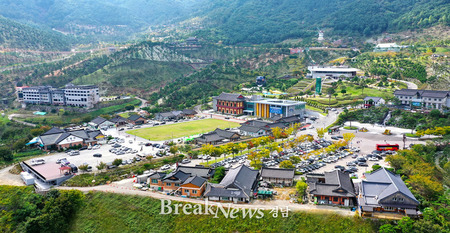
▲사진은 박형준 시장과 김성환 기후에너지환경부 장관이 지난 15일 오전 금정산국립공원 예정지 현장을 방문해 점검하고 있다. ©배종태 기자 |
[브레이크뉴스=배종태 기자] 부산시민의 오랜 숙원이던 금정산의 국립공원 지정이 마침내 결실을 맺었다. 부산시는 기후에너지환경부 제1차관 주재로 열린 제144차 국립공원위원회에서 ‘금정산국립공원 지정 및 공원계획 결정(안)’이 최종 통과됐다고 31일 밝혔다.
부산의 상징이자 자랑인 금정산이 제24번째 국립공원으로 지정되면서, 금정산은 대한민국 최초의 도심형 국립공원으로 새롭게 탄생하게 됐다.
금정산은 강원 태백산에서 부산 낙동강 하구로 이어지는 국가 핵심 생태축 ‘낙동정맥’의 일원으로, 자연과 역사·문화, 시민의 삶이 공존하는 대표적인 도심 생태공간이다.
금정산국립공원의 총 면적은 66.859㎢로, 이 중 약 78%(52.136㎢)는 부산의 6개 자치구에, 약 22%(14.723㎢)는 경남 양산시에 걸쳐 있다. 금정산과 함께 낙동정맥으로 이어지는 백양산도 포함됐다.
이번 지정은 1987년 소백산국립공원 이후 37년 만에 보호지역이 아닌 곳이 새롭게 국립공원으로 지정된 사례로, 제도사적으로도 의미가 크다. 기존의 무등산(2013년), 태백산(2016년), 팔공산(2023년)은 도립공원 승격 사례였다.
기후에너지환경부의 2020~2021년 ‘금정산국립공원 지정 타당성 조사’에 따르면, 금정산은 비보호지역임에도 불구하고 생태, 역사문화, 경관 등 여러 측면에서 국립공원 지정 기준을 충족하는 것으로 나타났다.
멸종위기종 14종을 포함해 총 1,782종의 야생생물이 서식하고 있으며, 71개의 자연경관과 127점의 문화자원이 분포한다. 특히 문화자원 규모는 전국 23개 국립공원 중 최고 수준이며, 연간 탐방객도 312만 명에 달해 전국 5위 수준으로 평가된다.
금정산 국립공원 지정 논의는 2005년 시민사회에서 처음 제기된 이후 2014년 10만 명 서명운동으로 확산되었다. 2019년 6월 부산시가 환경부에 공식 건의한 뒤 본격화되었으며, 그 과정에서 시민사회, 환경단체, 종교계, 전문가, 공공부문이 꾸준히 협력해왔다.
특히 금정산국립공원시민추진본부와 금정산국립공원지정시민네트워크 등 80여 개 시민단체가 장기간 지정운동을 이어오며 지역사회의 자발적 참여를 이끌었다. 이러한 꾸준한 노력이 금정산국립공원 지정의 밑거름이 됐다.
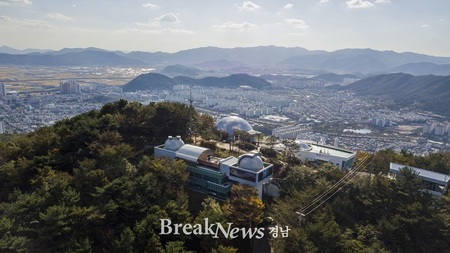
 ▲ 금정산 전경 ©배종태 기자 |
수년간 높은 사유지 비율과 복잡한 이해관계로 진전이 어려웠던 지정 논의는 2024년 11월 범어사, 금정산국립공원추진본부, 부산시가 ‘금정산국립공원 지정 동의 및 상생발전 업무협약(MOU)’을 체결하면서 전환점을 맞았다. 범어사를 비롯한 종교계의 협력과 관계 기관의 이해가 결정적 역할을 하며 주민설명회, 공청회 등 행정절차가 속도감 있게 추진됐다.
부산시는 이번 지정으로 “자연과 도시가 공존하는 부산”이라는 도시 이미지를 국내외에 각인시키고, 도시브랜드 가치를 한층 높이는 계기가 될 것으로 기대하고 있다. 금정산 일대의 자연경관과 문화유산을 복원하고 역사경관을 정비함으로써 지역의 정체성을 회복하고, 생태관광·환경교육·문화체험 등 다양한 일자리를 창출할 계획이다.
또한 연간 탐방객이 400만 명 이상으로 늘어날 것으로 예상되면서 지역경제 활성화와 관광수입 증대에도 긍정적 영향을 미칠 전망이다.
박형준 부산시장은 “금정산국립공원 지정은 시민의 염원과 공공부문의 꾸준한 추진, 지역사회의 헌신이 함께 만들어낸 부산 공동체의 승리”라며 “이번 지정을 계기로 부산이 대한민국을 대표하는 생태도시이자 지속 가능한 녹색도시로 나아갈 출발점이 될 것”이라고 밝혔다.
 ▲ 금정산 산성 전경 © 배종태 기자 |
박 시장은 이어 “시는 기후에너지환경부, 국립공원공단, 지역사회와 협력해 탐방로 정비, 문화유산 복원, 생태계 보전, 주민지원사업 등을 신속히 추진하고 금정산을 대한민국 최고의 국립공원이자 도심형 공원의 선도 모델로 육성하겠다”고 덧붙였다.
[Here’s the English news version of the article] Geumjeongsan Designated as Korea’s First Urban National Park
Busan’s long-cherished dream of having Geumjeongsan designated as a national park has finally come true.
The Busan Metropolitan Government announced that the “Plan for the Designation and Establishment of Geumjeongsan National Park” was approved today (October 31) during the 144th meeting of the National Park Committee, chaired by the First Vice Minister of the Ministry of Climate, Energy, and Environment. With the decision, Geumjeongsan has become Korea’s 24th national park—and the nation’s first-ever urban national park.
Stretching along the Nakdong Ridge that runs from Mount Taebaek in Gangwon-do to the Nakdong River estuary in Busan, Geumjeongsan is a symbolic ecological axis for the nation and a space where nature, history, culture, and citizens’ lives coexist harmoniously.
The newly designated Geumjeongsan National Park covers a total area of 66.859 square kilometers. About 78 percent (52.136 ㎢) lies within six districts of Busan, while the remaining 22 percent (14.723 ㎢) extends into Yangsan, Gyeongnam Province. The park also includes Mount Baegyangsan, which forms part of the Nakdong Ridge connected to Geumjeongsan.
This designation marks the first time in 37 years since Mount Sobaeksan in 1987 that a non-protected area has been newly designated as a national park, distinguishing it from previous cases such as Mount Mudeungsan (2013), Mount Taebaeksan (2016), and Mount Palgongsan (2023), which were upgraded from provincial parks.
A national feasibility study conducted by the Ministry of Climate, Energy, and Environment in 2020–2021 found that Geumjeongsan met all the criteria for national park status in terms of ecological, cultural, and landscape value, despite not being a previously protected area. The region is home to 1,782 species of wildlife, including 14 endangered species, along with 71 scenic natural sites and 127 cultural assets. The number of cultural resources ranks first among Korea’s 23 national parks, while visitor numbers, exceeding 3.12 million annually, place it fifth nationwide.
The campaign to designate Geumjeongsan as a national park began in 2005 within civil society and gathered momentum through a 100,000-signature petition in 2014. Following Busan City’s official proposal to the Environment Ministry in June 2019, continuous collaboration among civic groups, environmental organizations, religious communities, experts, and public institutions advanced the effort.
More than 80 civic organizations, including the Geumjeongsan National Park Citizens’ Promotion Headquarters and the Geumjeongsan National Park Designation Network, led the citizen movement for many years, becoming a model for grassroots participation and local advocacy.
Progress had long been hampered by complex land ownership and stakeholder issues, but a major breakthrough came in November 2024 when Beomeosa Temple, the Geumjeongsan National Park Promotion Headquarters, and the Busan Metropolitan Government signed an “Agreement on Consent and Co-Prosperity for Geumjeongsan National Park Designation.” Cooperation from religious and community stakeholders proved decisive, leading to subsequent public hearings and consultations that culminated in today’s official designation.
As Korea’s first urban national park, Geumjeongsan is expected to strengthen Busan’s image as a city where nature and urban life coexist, enhancing the city’s brand value at home and abroad. The designation is also anticipated to stimulate eco-tourism, environmental education, and cultural experiences, creating new job opportunities and revitalizing local businesses.
Through the restoration of cultural heritage and scenic landscapes in the Geumjeongsan area, Busan plans to revive local identity and transform the region into a refined space for culture and leisure. The number of annual visitors is projected to exceed four million, generating significant economic and tourism benefits.
Mayor Park Heong-joon stated, “The designation of Geumjeongsan National Park represents the collective victory of Busan’s community, achieved through the citizens’ aspirations, consistent efforts by the public sector, and the dedication of local stakeholders. This will mark the beginning of Busan’s transformation into Korea’s leading ecological and sustainable green city.”
He added, “The city will work closely with the Ministry of Climate, Energy, and Environment, the Korea National Park Service, and local communities to accelerate projects such as trail maintenance, cultural heritage restoration, ecosystem preservation, and resident support programs. We will make Geumjeongsan a new urban ecological asset for Busan and a leading model for Korea’s national parks.”
원본 기사 보기:부산브레이크뉴스