▲ 도널드 트럼프 미국 대통령(왼쪽)과 다카이치 사나에 신임 일본 총리. ©뉴시스 |
트럼프가 일본 도쿄에서 다카이치 사나에 일본 총리와 정상회담을 마친 후 양국 간 핵심 광물 협력을 위한 정책 프레임워크 합의문에 서명했다. 이에 따라 두 나라는 첨단 기술 산업에 필수적인 희토류 및 핵심 광물의 채굴, 분리, 가공 전반에 걸쳐 협력을 강화하고, 공급망 회복력과 안정성을 확보하기로 했다.
그런데 문제는 희토류의 양이 아니라 정제는 어찌할꺼냐가 관건이다. 미국은 세계 생산량 2위이며 기술력도 자본도 충분하다고 한다. 그런데 대규모 정제 시설과 독성 폐기물 처리 시스템이 부족하다. 정제 시설과 처리 시설이 없는데 양이 많고 기술이 있으면 뭐하나? 어차피 그 조차도 다 중국으로 가서 정제해 올건데 쓸데없는 협의다.
희토류 산업은 매장량이 풍부하고, 인건비가 저렴하며, 정치적으로 안정되어 있는 국가. 그리고 전기와 물, 도로 등 기초 인프라가 갖춰져 있으며, 환경 오염에 대한 지역 사회의 반발이 적고 추진력이 강한 정권의 국가에서만 추진할 수 있다.
이런 조건을 모두 충족한 국가가 바로 중국이다. 중국은 막대한 희토류 매장량을 바탕으로 1980년대부터 국가 차원의 집중적 투자와 기술 개발을 통해 정제 및 가공 기술을 빠르게 확보했다. 정치적으로는 중앙집권적 통제력과 장기적인 정책 일관성을 갖추었으며, 환경 규제 따위는 고려하지 않고 지역 주민의 반발을 공권력으로 찍어 누르기 쉬운 체제 구조 덕분에 오염을 감수하면서도 대규모 생산을 할 수 있었다.
원석을 강제로 추출하려다 보니 유독한 화학 약품을 많이 쓰게 되는데, 이 때문에 추출 과정에서 대량의 독성 폐수가 발생한다. 또 희토류 원소들이 방사성 원소와 함께 몰려 있는 특성이 있어 희토류를 찾을 때도 방사능을 측정해서 찾는다. 희토류 추출 과정에서 방사능 오염수도 다량 발생하고 방사능 폐수는 환경에 치명적인 영향을 끼친다.
채굴과 추출 과정에서 심각한 환경 오염이 발생하기 때문에, 이를 선진국 기준으로 재처리 및 정화를 하려면 정말 많은 비용이 든다. 미국이나 유럽은 돈도 많이 들고 각종 환경 규제 같은 것들을 따라야하니 그런 귀찮은 일처리를 하기 싫어 중국에게 맡기고 사올 수밖에 없다. 자유 민주주의의 미국이 자국 환경 오염과 주민들과 일꾼들의 인권을 무시하고 자국에서 정제할 수 있겠는가? 만약에 강행했다가는 트럼프가 탄핵을 당하게 될 것이다.
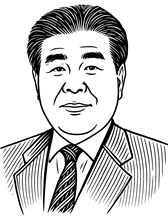
 ▲ 필자/정길선 박사 ©브레이크뉴스 |
그러니 울며겨자먹기로 중국에 맡기거나 사올 수 밖에 없는거다. 중국이 환경 오염 따위는 가볍게 무시하고 인권을 개차반으로 생각하기 때문에 이런 희토류 채굴과 정제가 가능한 것이다. 중국은 자국의 환경, 인권과 희토류 판매로 인한 부를 바꿔버린 나라다. 그렇다고 중국 땅의 환경오염과 노동자와 주민의 인권까지 고려하면서 희토류를 안 쓸 수 없는거고 중국 인민과 환경의 희생으로 인해 전 세계 모든 컴퓨터, 스마트폰, TV, 냉장고 등 전자 제품의 헤택을 마음껏 누리고 있는 셈이다.
그러니 당장 시급한 것은 희토류를 대체할 수 있는 광물이나 제품을 찾아보던지, 희토류 없이 기술력을 향상시킬 수 있는 방법을 찾아보는 것이다. 사실 그게 더 시급하다. 모두가 희토류 때문에 중국에 목줄이 잡혀 놀아날 순 없지 않은가? lukybaby7@gmail.com
*필자/ 정길선.
노바토포스 회원, 역사학자, 고고인류학자, 칼럼니스트, 러시아 과학아카데미 유라시아 고고인류학연구소 연구교수.
*아래는 위 기사를 '구글 번역'으로 번역한 영문 기사의 [전문]입니다. '구글번역'은 이해도 높이기를 위해 노력하고 있습니다. 영문 번역에 오류가 있을 수 있음을 전제로 합니다.<*The following is [the full text] of the English article translated by 'Google Translate'. 'Google Translate' is working hard to improve understanding. It is assumed that there may be errors in the English translation.>
Skepticism Regarding Trump and Japanese Prime Minister Sanae Takaichi's Rare Earth Mineral Cooperation
- Columnist Gil-seon Jeong
Following his summit with Japanese Prime Minister Sanae Takaichi in Tokyo, Trump signed a policy framework agreement for cooperation on key minerals between the two countries. Accordingly, the two countries agreed to strengthen cooperation across the entire spectrum of rare earths and key minerals essential to high-tech industries: mining, separation, and processing, and ensuring supply chain resilience and stability.
However, the key issue is not the quantity of rare earths, but rather how to refine them. The United States is the world's second-largest producer and claims to possess ample technological capabilities and capital. However, it lacks large-scale refining facilities and toxic waste disposal systems. What good is having large quantities and technology without refining and treatment facilities? Even those will all be refined in China anyway, so this is a pointless agreement.
The rare earths industry is a country with abundant reserves, low labor costs, and political stability. Furthermore, it can only be pursued in countries with basic infrastructure such as electricity, water, and roads, with little local opposition to environmental pollution, and a strong government with a strong driving force.
China is the country that satisfies all of these requirements. Leveraging its vast reserves of rare earth elements, China rapidly secured refining and processing technology through intensive national investment and technological development since the 1980s. Politically, China boasts centralized control and long-term policy consistency. Furthermore, its system, which easily suppresses local opposition with public power without regard for environmental regulations, has enabled large-scale production despite the potential for pollution.
The forced extraction of raw materials necessitates the use of toxic chemicals, generating large quantities of toxic wastewater during the extraction process. Furthermore, rare earth elements are often clustered with radioactive elements, so radioactivity is often used to detect rare earth elements. The extraction process also generates large quantities of radioactive wastewater, which has a devastating impact on the environment.
Because the mining and extraction process causes serious environmental pollution, reprocessing and purifying it by developed country standards is incredibly expensive. The US and Europe, burdened by the high costs and various environmental regulations they face, are reluctant to undertake such cumbersome tasks, leaving it to China to purchase it. Could the US, a liberal democracy, truly disregard its own environmental pollution and the human rights of its residents and workers and conduct domestic refining? If it did, Trump would face impeachment.
Therefore, they have no choice but to hand it over to China or purchase it. China's disregard for environmental pollution and its blatant disregard for human rights make rare earth mining and refining possible. China has transformed its environment, human rights, and the wealth it generates from the sale of rare earths. However, considering the environmental pollution and the human rights of its workers and residents, it cannot avoid using rare earths. At the expense of the Chinese people and the environment, China enjoys the benefits of computers, smartphones, TVs, refrigerators, and other electronic products worldwide.
So, the most urgent task is to find alternative minerals or products to rare earths, or to find ways to improve our technological capabilities without them. In fact, that's even more urgent. We can't all be at the mercy of China because of rare earths, right? lukybaby7@gmail.com
*Author: Jeong Gil-seon.
Novatopos member, historian, paleoanthropologist, columnist, and research professor at the Institute of Eurasian Archaeology and Anthropology, Russian Academy of Sciences.