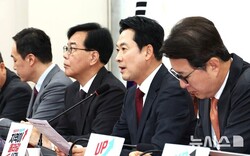
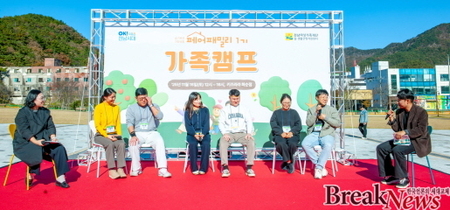
▲ 김광명 부산시의원(국민의힘, 남구4)이 도시공간계획국 행정사무감사에서 질의를 하고 있다. ©배종태 기자 |
[브레이크뉴스=배종태 기자] 부산 수영강을 잇는 휴먼브리지가 준공을 앞둔 가운데, 시설물 등급과 관리 주체를 둘러싼 논란이 제기됐다.
부산광역시의회 김광명 의원(해양도시안전위, 남구4)은 6일 열린 제332회 정례회 도시공간계획국 행정사무감사에서 “휴먼브리지는 시민 안전과 직결된 대형 시설물임에도 관리 기준이 지나치게 낮다”며 부산시의 직접 관리 책임을 촉구했다.
“실질은 1종인데 3종으로 분류… 안전점검 기준 부적절”
김 의원은 수영강 휴먼브리지가 길이 254m에 달하고 고난도 시공기술이 적용된 만큼, 실질적으로는 1종 시설물로 분류되어야 한다고 주장했다. 그는 “도로법상 노선 지정만 거치면 1종 시설물로 고시할 수 있는데도, 시가 형식상 3종으로 지정했다”며 “3종 시설물은 정기점검만 하고 D등급 이하일 때에만 정밀안전점검을 실시하기 때문에 안전 관리 기준이 매우 낮다”고 지적했다.
서울 도림보도육교 붕괴 사고를 예로 들며 김 의원은 “당시에도 3종 시설물로 관리돼 정기점검에서 A등급을 받았지만 불과 몇 달 후 붕괴된 사례가 있다”며 “유사한 사고를 막기 위해서는 정밀안전점검 체계를 강화해야 한다”고 강조했다.
“관리청은 부산시… 구청 위임은 근거 부족”
이날 김 의원은 관리 주체 문제를 두고도 부산시의 책임을 분명히 했다. 그는 “휴먼브리지는 해운대구와 수영구에 걸쳐 있고, 부산시가 구청에 관리 위임을 검토 중이지만 도로법 시행령 제99조에 따르면 도시계획시설 도로의 관리청은 고시권자인 부산광역시장이 되어야 한다”며 “법적 근거가 불분명한 위임은 부적절하다”고 지적했다.
“사고 나면 결국 부산시 책임… 위임은 면책 아냐”
또한 대법원 판례(96다21331)를 인용해 “기관위임사무의 손해배상 책임은 상위 지방자치단체에 귀속된다”며 “결국 사고가 발생하면 부산시가 최종 책임을 져야 한다”고 강조했다. 김 의원은 “책임을 회피하려는 위임은 행정적·법적으로 모두 설득력이 없다”고 말했다.
“2개 구 걸친 시설은 광역사무… 시가 일괄 관리해야”
김 의원은 휴먼브리지가 두 자치구 경계에 걸친 만큼 광역사무로 분류돼야 한다는 입장도 밝혔다. 그는 “관할을 구별해 관리하면 행정 비효율이 발생하고 시민 혼란이 커질 수 있다”며 “부산시가 직접 관리하거나, 부득이한 경우 한 구청에 일괄 위임하는 방식으로 관리체계를 단순화해야 한다”고 제안했다.
그는 “휴먼브리지는 부산을 대표하는 보행교로서 시민 이용이 많은 만큼, 설계·시공만큼이나 철저한 사후 관리가 필수”라며 “부산시가 광역 자치단체로서 안전과 책임을 끝까지 이행해야 한다”고 덧붙였다.
[Here is the English news-style translation of the article.] "Concerns Over Inadequate Post-Completion Management System of Suyeong River Human Bridge... Need to Reassess Safety Classification and Management Authority."
Busan's Suyeong River Human Bridge faces scrutiny over its safety classification and management responsibility.
Kim Kwang-myeong, member of Busan Metropolitan Council’s Marine, Urban and Safety Committee (People Power Party, Nam-gu 4th district), criticized the current system during a November 6 audit session, urging Busan City to assume direct control.
Kim emphasized that although the bridge spans 254 meters and involves advanced construction techniques, it is classified as a Class-3 facility, which subjects it only to routine safety inspections unless rated below 'D.' He argued that the bridge should be classified as a Class-1 facility, which requires more rigorous safety checks. He cited the 2022 collapse of Seoul’s Dorim Footbridge, which was also a Class-3 structure but failed shortly after receiving a high safety grade, underscoring the need for stringent inspections.
Regarding management responsibility, Kim noted the bridge crosses both Haeundae and Suyeong districts. While the city plans to delegate management to district offices, he referenced Article 99 of the Road Act Enforcement Decree, stating that the overseeing authority should be the mayor of Busan, not district offices, and said such delegation lacks legal foundation.
Kim also pointed to a 1996 Supreme Court ruling confirming that liability for delegated administrative functions lies with the upper-level local government. Hence, even if management is delegated, Busan City would remain liable for any accidents or damage.
Lastly, he highlighted the inefficiency and confusion that could arise from dividing management between districts and advocated for metropolitan-level management by Busan City or a unified delegation to a single district office.
Kim concluded that due to the bridge’s importance as a public landmark, post-construction management must be as rigorous as its design and construction, with Busan City taking full responsibility for safety and oversight.
원본 기사 보기:부산브레이크뉴스