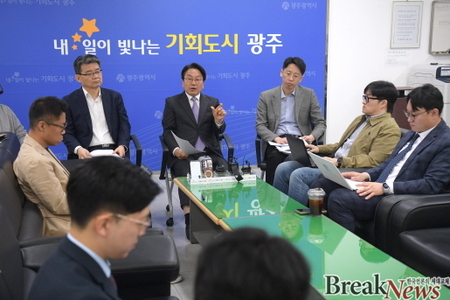
브레이크뉴스 김충열 정치전문기자 = 더불어민주당 서삼석 의원(영암‧무안‧신안)은 10일 열린 최고위원회의에서 “의료 접근성이 낮은 지역 주민들이 서울 등 대도시보다 더 많은 의료비를 부담하고 있는 불평등한 현실을 반드시 개선해야 한다”며, 정부에 의료취약지 주민을 위한 맞춤형 대책 마련을 촉구했다.
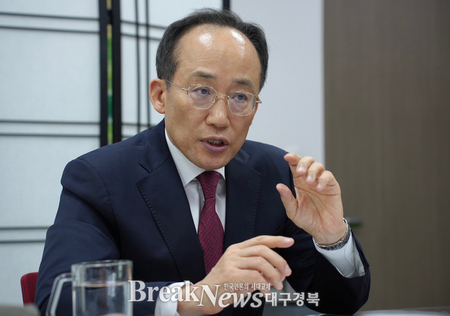
 ▲ 서삼석 의원은 “농어촌 주민들의 박탈감을 해소하고 국민의 평등권과 행복추구권을 보장하는 것은 국가의 기본 책무”라며, “정부는 2026년도 예산안에 의료취약지역 주민의 건강권 보장을 위한 과감한 재정 투입과 정책 추진을 강력히 검토해야 한다”고 주문했다. © 서삼석 의원실 |
지난 10월 31일 국민건강보험공단이 발표한 「2024년 지역별 의료이용 통계」에 따르면, 시군구별 의료 이용 격차가 여전히 크고 지역 간 의료 불평등이 심화되고 있는 것으로 나타났다.
서 의원은 “이번 통계는 단순한 수치가 아니라, 거주 지역에 따라 국민이 다른 수준의 의료 서비스를 받고 있는 불평등한 현실을 보여준다”고 지적했다.
전남 월 평균 1인당 진료비 26만 7천원, 서울보다 약 6만원 더 부담
특히 서울의 의료 쏠림 현상이 두드러졌다. 서 의원은 “서울 의료기관의 타지 환자 유입률은 40%를 넘어섰고, 지난해 타 지역 환자들이 서울에서 쓴 진료비만 총 10조 8천억 원에 달한다”며, “전남의 경우 1인당 월평균 진료비가 26만 7천 원으로 서울(20만 4천 원)보다 약 6만 3천 원 더 많음에도 여전히 의료 사각지대를 벗어나지 못하고 있다”고 비판했다.
간암‧폐암 등 특정암 발생 지역 격차 고착화
또한 암 발생의 지역 편차 문제도 심각하다고 지적했다. 서 의원은 “위암, 폐암, 간암, 대장암, 유방암 등 주요 암의 발생이 특정 지역에 집중되고 있다”며, “전남은 간암과 폐암 환자 발생률이 전국 최고 수준으로, 이러한 양상이 해마다 반복되며 지역별 특정암 발생이 고착화되고 있다”고 설명했다.
이어 “보건당국은 단순한 발병률 조사와 통계 발표에 그칠 것이 아니라, 심층 역학조사와 지역 맞춤형 예방‧관리 대책을 적극 추진해야 한다”며, “특정 질환의 예방·검진·치료·관리 전 단계에서 지역사회 보건사업과 연계 체계 강화가 필요하다”고 강조했다.
마지막으로 서 의원은 “농어촌 주민들의 박탈감을 해소하고 국민의 평등권과 행복추구권을 보장하는 것은 국가의 기본 책무”라며, “정부는 2026년도 예산안에 의료취약지역 주민의 건강권 보장을 위한 과감한 재정 투입과 정책 추진을 강력히 검토해야 한다”고 주문했다.
한편, 과학의 발달로 시급히 도입되어야 할 원격진료는 특수직업의 이기주의에 막혀 도입이 늦춰지는 것은 말이 안된다. 비대면진료(원격의료)가 보다 폭넓게 도입되야 한다. hpf21@naver.com
* 아래는 위 기사를 '구글 번역'으로 번역한 영문 기사의 [전문]입니다. '구글번역'은 이해도 높이기를 위해 노력하고 있습니다. 영문 번역에 오류가 있을 수 있음을 전제로 합니다. *The following is [the full text] of the English article translated by 'Google Translate'. 'Google Translate' is working hard to improve understanding. It is assumed that there may be errors in the English translation.
Rep. Seo Sam-seok: "Measures to alleviate medical costs in medically underserved areas are urgently needed; patients from other regions spend 11 trillion won on medical care in Seoul."
Bold budget allocation is needed to guarantee the right to health for residents of underserved areas.
Break News Political Reporter Kim Choong-lyoul = Rep. Seo Sam-seok (Yeongam, Muan, Sinan) of the Democratic Party of Korea said at the Supreme Council meeting held on the 10th, "We must address the unequal reality where residents of areas with limited access to medical care bear higher medical costs than those in major cities like Seoul." He urged the government to develop customized measures for residents of medically underserved areas.
According to the "2024 Regional Medical Utilization Statistics" released by the National Health Insurance Service on October 31st, the gap in medical utilization between cities, counties, and districts remains large, and regional inequalities in healthcare are worsening.
Rep. Seo pointed out, "These statistics are not just numbers; they reveal the unequal reality where citizens receive different levels of medical services depending on where they live."
The average monthly medical expenses per person in South Jeolla Province are 267,000 won, approximately 60,000 won more than in Seoul.
The concentration of medical services in Seoul is particularly pronounced. Rep. Seo stated, "The influx of patients from other regions to Seoul medical institutions exceeds 40%, and last year, patients from other regions spent a total of 10.8 trillion won on medical expenses in Seoul." He criticized, "In South Jeolla Province, the average monthly medical expenses per person are 267,000 won, approximately 63,000 won more than in Seoul (204,000 won), yet they remain a medical blind spot."
Regional disparities in the incidence of certain cancers, such as liver and lung cancer, are becoming entrenched.
He also pointed out the serious regional disparities in cancer incidence. Rep. Seo stated, "The incidence of major cancers, such as stomach, lung, liver, colon, and breast cancer, is concentrated in certain regions." He added, "Jeonnam Province has the highest incidence of liver and lung cancer in the country. This pattern is repeating itself year after year, and the incidence of specific cancers in each region is becoming entrenched."
He continued, "Health authorities should not simply survey incidence rates and publish statistics, but actively pursue in-depth epidemiological investigations and regionally tailored prevention and management measures." He emphasized, "We need to strengthen the system of community health programs and collaboration across all stages of prevention, screening, treatment, and management of specific diseases."
Finally, Rep. Seo stated, "It is the fundamental responsibility of the state to alleviate the sense of deprivation felt by rural and fishing village residents and guarantee their right to equality and the pursuit of happiness." He urged, "The government should strongly consider bold financial investments and policy initiatives in the 2026 budget to guarantee the right to health for residents of medically underserved areas."
Meanwhile, telemedicine, which urgently needs to be introduced due to scientific advancements, is being delayed due to the selfishness of specialized professions. Non-face-to-face treatment (telemedicine) must be adopted more widely. hpf21@naver.com