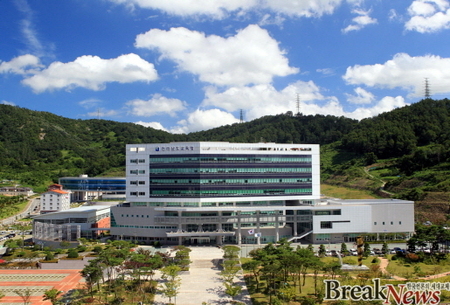
▲ 검찰청사 ©브레이크뉴스 |
대장동 사건에 연루된 일당에 대한 1차 재판에 대한 항소포기로 김만배는 6100억원, 남욱 1011억 원을 횡재하는 것으로 결판났다. 검찰이 항소하여 2심재판부가 손을 들어줬더라면 7100억원은 성남시로 들어갔을 텐데 항소포기로 그런 기회는 영영 사라졌다. 아주 단순화화면 성남시=국가기관이니 항소포기 결정자가 국가돈을 훔쳐서 김만배 일당에게 갖다 바친 꼴이다. 김만배는 징역 8년을 살고 나오면 하루 2억원을 세금 한 푼 없이 벌어 준 재벌 반열에 든다.
이게 사법정의인가? 국민들은 이런 불의를 결코 용납치 않을 것이며 미봉책으로 넘기는 건 정의감에 투철한 대한민국 국민의 성격에 맞지도 않다.
이 불의를 누가 책임져야 하나? 항소포기에 이른 과정에 등장하는 인물들을 보면 다음과 같다. 재판부 1심(부장판사 조형우) 판결(10월31일)-->수사검찰(강백신) 항소결정(11월3일)-->중앙지검장 정진우 대검에 항소요구--->검찰총장 대행 노만석 법무부에 재가요청--->(법무부 대통령실 이태형 민정비서관과 상의) 정성호 법무장관 신중처리 요구로 사실상 항소반대--> 노만석 , 정진우에 법무부 반대의사 전달---> 검찰 항소포기(11월8일0시) , 정진우 중앙검사장 "나는 항소포기 반대"라며 사퇴발표. 최대한 단순화하면 검찰이 수사하여 검사장에게 보고하면 검사장은 대검에 알리고 대검은 법무부(장관)에고 보고하고 법무부는 대통령실에도 알리는데 이번 사건의 경우 법무비서관이 이재명대통령에게 보고하여 지침을 받았느냐가 큰 관건이다. 정성호법무장관이 이대통령과 사시 동기이고 대선선거관리 책임을 맡을 만큼 막역하니 두 사람이 통화하여 결정하지 않았겠느냐는 국민의힘 당의 추정도 있다. 그러면 이대통령은 탄핵대상이라고 장동혁 국민의힘 대표는 칼날 공세를 퍼붓기 시작했다.
이대통령은 디테일에 매우 강하고 여기저기 참견도 잘하는 행보를 보여 왔다. 불과 한 달전 윤석열정부 때 마약수사중지 외압을 터뜨린 백해룡 경정을 수사팀에 넣어 다시 수사하라고 지시한게 대표적이다. 윤석열의 약점을 하나 더 캐내겠다는 의지인데 백해룡을 수사팀에 넣으라는 지시까지는 너무 시시콜콜 했다. 이대통령이 이번 항소포기에 간여하지 않은 게 확실하다면 " 국가재산 5000억 원을 축낸 항소포기 사건을 당장수사라라. 법무장관을 포함 지위고하를 막론하고 위법자는 처벌하고 국가재산 손해액을 배상토록 하라"고 추상같이 명령하는 게 성격에 맞았을 것이다. 대통령이 침묵하면 국민의혹은 더 커질 수 있다.
2021년 시작돼 4년이 걸린 대장동 투기사건 재판에서 검찰은 김만배 정영학 남욱 일당이 성남시 수뇌부와 짜고 7815억원의 부당이득을 챙겼다며 이를 환수해야한다고 기소했다. 이에 조형우 판사는 특정경제범죄가중처벌법을 적용하지 않아 473억 원만 추징하는 판결을 내렸다. 7200억 원 가량에 무죄를 내린 조부장판사의 판결은 어설퍼 보이며 2심에서 본격적인 법리를 다퉈 부당이익을 국고로 환수하는게 정의로 보인다. 검찰이나 법조계에선 이렇게 추징금에 큰 차이가 나는 1심판결에 검찰이 항소를 포기한 역사는 없었다고 단언한다.
나는 항소포기의 결정적 책임자가 누구냐가 두루 의견을 들어봤다. 정성호장관이 수사지휘권을 발동하지 않고 "수사와 재판은 옳았다. 항소결정은 신중해야 한다"는 발언에 대한 책임이 가장 크다는 지적이 많다. 대통령의 개입이 아직 드러나지 않는 이상 노만석 검찰총장 대행의 책임이 막중하다. 정진우중앙지검장이 사표를 내고 떠날게 아니라 독자적으로 항소를 결정하고 사표를 냈어야 한다는 지적이나 담당수사검사들이 용기를 내서 항소서류를 접수했으면 그만인데 용기부족이란 평가도 꽤 있었다.
전직 검찰총장 두 사람에게 전화를 걸어 물어 봤다. "검찰은 상하 위계질서가 있는 검사동일체 조직이다. 검찰총장이 반대하는데 지검장 수사검사가 반항하여 항소를 내질러 버릴 수는 없다. 이경우 노만석이 책임지고 결단하는 게 옳았다"고 말했다. 그래서 "퇴진하라"는 검사장들의 연판장이 돌기 시작한 것이다. 며칠 못버티고 쫓겨날 형편이다. 노만석은 성대출신으로 그와 함께 일해 본 동기나 한두해 선후배 검사들을 찾아서 그의 성격이 우유부단한지, 출세욕 때문이 눈이 흐렸는지 물어봤다. 노만석의 양식을 의심하는 평은 듣기 어려웠으나 "이번에는 그친구가 무엇에 홀렸는지 도저히 납득이 안가는 행동을 보였다"고 심히 나무랐다.
이재명정부는 검찰개혁의 기치를 걸었으므로 심우정전검찰총장이 사표를 내자 후임을 임명하지 않고 대행체제로 갔다. 당시 "검찰 식구들에게 신망이 두터운 소신 있는 새 검찰총장을 임명하면 검찰개혁에 지장을 받을 가능성이 있어 일부러 노만석 대행에 맡기고 검찰총장을 공석으로 했다"는 말이 파다했다. 그러고 보면 그의 표정은 검찰총장답게 눈빛이 형형하지도 않고 어딘지 좀 트미한 구석이 있다.
검찰이 순탄하게 항소를 하고 2심에서 7200억 환수문제를 다툴 경우 무슨 일이 일어났을까. 1심 판사는 대장동 부당이득 문제와 관련 이재명 대통령의 개입여부를 확인하진 않았으나 의미심장한 판결내용을 포함시켰다. "성남시 수뇌부에는 보고된 것으로 판단한다" 수뇌부는 누구인가. 이재명 정신상이다. 정진상에 대한 재판도 곧 1심판결이 나오게 돼있고 이재명 대통령은 재임 후 재판재개 시 판결을 받아야할 형편이다. 그런데 이번 1심에선 특경법 적용을 하지 않았는데 항소포기로 정진상 이재명도 아주 편하게 됐다 만약 항소로 2심에서 그 부분을 다투면서 성남시 수뇌부에 어느 정도 보고 됐는지, 특경법 적용으로 판결이 날경우 정진성 이재명은 매우 어려워진다. 그걸 봉쇄해버린 게 이빈 항소포기의 의미여서 '이재명 방탄'이란 야당의 비판이 제기되는 것이다. 항소포기 한 재판에서 2심은 1심보다 불리하게 판결할수 없는 이익변경불이익 조항 때문에 김만배 엉영학 남욱 일당은 대놓고 거짓말로 기존 증언을 뭉개버릴 것이란 관측이 지배적이다.
민주당은 아예 직무상 배임죄를 폐지하는 법안까지 민주당은 준비하고 있어, 이대통령은 재임후 재판받을 필요조치 없도록 착착 준비 중이다. 이번 항소포기 작전의 속셈이 노출되면서 여론의 거부감을 심하게 일으켜 취임후 비단길을 걸어온 이대통령으로선 1차위기를 맞았다 해도 과언이 아니다. 항소포기는 하나의 재판절차여서 되돌릴 순 없고 엎질러진 물이 됐다. 이제 항소포기의 작용자가 누구냐를 밝히는 일이 윤석열 때 채상병사건보다 더 크게 부각될 것이다. 당황한 민주당은 대장동 수사자체가 검찰의 조작, 사기라 하고 항소포기에 항의 연판장을 돌린 검사장들을 친 윤석열 항명세력이라고 겁박하는데 그게 국민에게 어필할까. 그렇다면 1심판사가 대장동 5인방에 중형을 때린 것은 검찰 조작과 사기극에 놀아났다고 주장하는 격인데 누가 제정신이 아닌지는 국민은 훤히 알 것이다.
 ▲필자/ 김세형 언론인. ©김세형 페이스북 |
항소포기는 이재명 방탄에는 단시 성공작일지는 몰라도 좀 더 크게 보면 제목을 찌른 격이다. 이제 이대통령의 방북료 대납, 대장동 수사검사들을 묶기 위한 법 왜곡죄 제정, 직무유기 배임죄 폐지, 대법관 증원 등 사법개혁을 진행하는데 국민은 의심의 눈을 갖고 보기 시작할 것이다. 그러면 법 개정이 어렵다. 자칫하면 현재 60%가 넘는 이재명 대통령 지지율이 50%, 40%대로 추락할 기폭제로 작동할 지도 모른다. 시간이 말해줄 것이다. 이번 항서포기 사건은 대한민국 역사에 사법부 대란가운데 하나로 남을 소지가 크다.
*필자/김세형 언론인.
*아래는 위 기사를 '구글 번역'으로 번역한 영문 기사의 [전문]입니다. '구글번역'은 이해도 높이기를 위해 노력하고 있습니다. 영문 번역에 오류가 있을 수 있음을 전제로 합니다.<*The following is [the full text] of the English article translated by 'Google Translate'. 'Google Translate' is working hard to improve understanding. It is assumed that there may be errors in the English translation.>
Is President Lee Jae-myung's First Crisis Since Inauguration of President Lee Jae-myung?
- Journalist Kim Se-hyung
With the prosecution's decision to drop the appeal in the first trial against the group implicated in the Daejang-dong case, Kim Man-bae ended up with a windfall of 610 billion won and Nam Wook with 101.1 billion won. Had the prosecution appealed and the second trial court sided with the case, 710 billion won would have gone to Seongnam City, but with the decision to drop the appeal, that opportunity has been lost forever. To put it simply, Seongnam City is a state institution, so the decision to drop the appeal effectively steals state funds and gives them to Kim Man-bae and his group. After serving eight years in prison, Kim Man-bae will join the ranks of chaebols who earned 200 million won a day without paying a single penny in taxes.
Is this judicial justice? The people will never tolerate such injustice, and trying to gloss over it with a stopgap measure is inconsistent with the character of the Korean people, who are known for their strong sense of justice.
Who should be held accountable for this injustice? Here are the people who appeared in the process leading up to the decision to give up the appeal. The court's first trial (Chief Judge Cho Hyung-woo) decision (October 31) --> Investigative prosecutor (Kang Baek-shin) appeal decision (November 3) --> Central District Prosecutors' Office Chief Prosecutor Jeong Jin-woo requests an appeal to the Supreme Prosecutors' Office --> Acting Prosecutor General Noh Man-seok requests approval from the Ministry of Justice --> (Consults with Lee Tae-hyung, Senior Secretary to the President for Civil Affairs at the Ministry of Justice) Minister of Justice Jeong Seong-ho requests careful handling, effectively opposing the appeal --> Noh Man-seok conveys the Ministry of Justice's opposition to Jeong Jin-woo --> Prosecutors' Office gives up the appeal (November 8, 00:00), Central District Prosecutors' Office Chief Prosecutor Jeong Jin-woo announces his resignation, saying, "I am against giving up the appeal." To put it simply, the prosecution investigates and reports to the Prosecutor General, who then reports to the Supreme Prosecutors' Office, which then reports to the Ministry of Justice (Minister), which then reports to the Office of the President. In this case, the crucial question is whether the Chief Justice reported to President Lee Jae-myung and received instructions. The People Power Party speculates that Justice Minister Jeong Seong-ho, who is a classmate of President Lee and is close enough to be responsible for managing the presidential election, likely spoke with him on the phone to make the decision. Jang Dong-hyuk, leader of the People Power Party, has launched a barrage of attacks, claiming that this makes President Lee subject to impeachment.
President Lee has demonstrated a keen attention to detail and a propensity for meddling. A prime example is his order to reinvestigate Superintendent Baek Hae-ryong, who had pressured the Yoon Seok-yeol administration to halt a drug investigation just a month ago. This order, intended to further expose Yoon Seok-yeol's weaknesses, was overly nitpicky, even to the point of ordering Baek Hae-ryong to join the investigation team. If President Lee was not involved in the recent appeals decision, it would have been more appropriate for him to issue a blunt order: "Immediately investigate the case of the appeals decision, which resulted in the embezzlement of 500 billion won in national assets. Punish violators, regardless of rank, including the Minister of Justice, and require them to pay compensation for the damages to national assets." If the President remains silent, public suspicion could grow.
In the Daejang-dong speculation case trial, which began in 2021 and lasted four years, the prosecution indicted Kim Man-bae, Jeong Yeong-hak, and Nam Wook for colluding with Seongnam City leaders to reap 781.5 billion won in ill-gotten gains, demanding their recovery. Judge Cho Hyung-woo, however, did not apply the Aggravated Punishment, etc. of Specific Economic Crimes Act, ruling only 47.3 billion won in fines. Chief Judge Cho's ruling, which acquitted the defendants of approximately 720 billion won, appears flimsy, and it seems fair to argue the legal principles in the second trial to ensure the retrial of the ill-gotten gains to the national treasury. Prosecutors and the legal community assert that there has never been a case in history where the prosecution gave up on an appeal after a first-instance verdict with such a large difference in the fines.
I've heard widely from those responsible for the decision to abandon the appeal. Many point to Minister Jeong Seong-ho as the most responsible for not invoking his authority to direct the investigation and instead stating, "The investigation and trial were correct. Appeal decisions must be made with caution." As long as the President's involvement remains undisclosed, Acting Prosecutor General Noh Man-seok bears significant responsibility. Some argue that Chief Prosecutor Jeong Jin-woo should have independently decided to appeal and resigned instead of resigning. Others argue that the prosecutors in charge should have had the courage to submit the appeal documents, but they lacked the courage to do so.
I called two former Prosecutors General and asked them about their decision. They all said, "The prosecution is a hierarchical organization with a hierarchy. The chief prosecutor cannot simply file an appeal against the Prosecutor General's objections. In this case, it was right for Noh Man-seok to take responsibility and make the right decision." So, a petition calling for his resignation began circulating among senior prosecutors. He was on the verge of being ousted in just a few days. Roh Man-seok, a graduate of Sungkyunkwan University, sought out his colleagues who had worked with him for a year or two, and asked if his indecisiveness was due to career ambitions or if his vision was clouded by his ambitions. While it was rare to hear any criticism of Roh Man-seok's sanity, he harshly criticized him, saying, "This time, he's bewildered by something I can't understand."
The Lee Jae-myung administration, emphasizing the importance of prosecutorial reform, didn't appoint a successor when former Prosecutor General Shim Woo-jung resigned, instead establishing an acting system. At the time, it was widely believed that "appointing a new Prosecutor General with strong convictions and a high level of trust among the prosecution staff could hinder the reform process, so we deliberately left the position vacant, leaving Roh Man-seok in charge." Looking back, his expression, as befitting a Prosecutor General, lacked the clarity of a clear-eyed gaze and possessed a somewhat sullen quality.
What would have happened if the prosecution had successfully appealed and the 720 billion won recovery issue had been contested in the second trial?
The first trial judge did not confirm President Lee Jae-myung's involvement in the Daejang-dong ill-gotten gains issue, but included a significant ruling: "I believe it was reported to the Seongnam City leadership." Who was that leadership? Lee Jae-myung's mentality. The first trial for Jeong Jin-sang is also scheduled to conclude soon, and President Lee Jae-myung will have to receive the ruling when the trial resumes after his term ends. However, the Special Act was not applied in the first trial, and the decision to drop the appeal has made things much easier for Jeong Jin-sang and Lee Jae-myung. If the appeal were contested in the second trial, and the extent of the report to the Seongnam City leadership is uncertain, the situation would be very difficult for Jeong Jin-sung and Lee Jae-myung. This blockage of Lee Bin's decision to drop the appeal is what has led to criticism from the opposition party that Lee Jae-myung is "bulletproof." The prevailing view is that Kim Man-bae, Eung Young-hak, and Nam Wook will blatantly lie to discredit their previous testimony, as the second trial cannot be judged more unfavorably than the first in a trial where an appeal has been withdrawn.
The Democratic Party is even preparing a bill to abolish the crime of breach of trust, ensuring President Lee will not be required to face trial after his term. The revelation of the true intentions behind this appeal withdrawal operation has sparked a strong public backlash, posing a significant crisis for President Lee, who has enjoyed a smooth path since taking office. The withdrawal of an appeal is a legal process, irreversible and a lost cause. Now, uncovering who is behind the appeal withdrawal will be even more significant than the Chae Sang-byeong case under Yoon Seok-yeol. The bewildered Democratic Party is threatening to label the Daejang-dong investigation itself as a fabrication and fraud by the prosecution, and to label the prosecutors who submitted petitions protesting the withdrawal of the appeal as pro-Yoon Seok-yeol forces. Will this appeal resonate with the public? If so, the first trial judge's heavy sentence against the Daejang-dong Five is tantamount to claiming they were manipulated and deceived by the prosecution. The public will clearly know who is out of their minds.
While the appeal withdrawal may be a short-term success for Lee Jae-myung, it's a blow to his reputation in the larger scheme of things. Now, the public will begin to view judicial reforms, such as paying for President Lee's trip to North Korea, enacting a law distortion crime to bind the Daejang-dong prosecutors, abolishing dereliction of duty and breach of trust, and increasing the number of Supreme Court justices, with suspicion. This will make legal revisions difficult. If not careful, it could even serve as a catalyst for President Lee Jae-myung's approval rating, currently over 60%, to plummet to the 50% or 40% range. Time will tell. This appeal withdrawal incident has the potential to go down in South Korean history as one of the greatest judicial crises.
*Author/Journalist Kim Se-hyung