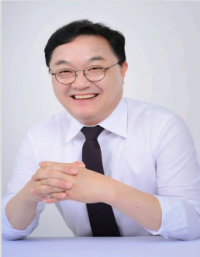
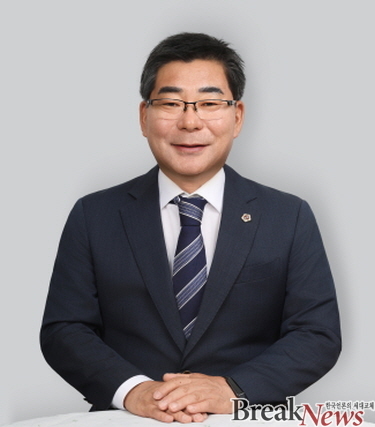
▲ 권진택 경남교육감 출마 예정자가 12일, 경남언론협회와 교육감 출마를 결심하며 인터뷰를 가졌다. |
[브레이크뉴스=이성용 기자] 경남언론협회는 12일 권진택 경남교육감 출마 예정자를 만나 경남교육감으로 출마하려는 예정자의 깊은 고뇌를 듣을 수 있었다. 이 자리에서 권 예정자는 지난 12년간 바뀌지 않은 진보교육을 마감하고, 학생들의 가슴 속에 있는 꿈이 이루어질 수 있도록 교육 서비스를 변화해야 한다고 밝혔다.
과기대 총장으로 재임하던 시절을 회상하며, 당시 추진했던 에너지공학과 신설에 반대했던 교수님들과의 일화 등을 소개했다. 통합 경상대학교에서 가장 인기 있는 1등 학과가 "에너지공학과"라며 당시 엄청난 반대를 무릎쓰고 강행했던 것은 학생들에게 더 나은 방향을 제시해주고 싶었던 강력한 의지였다고 밝혔다.
지금도 다시 선택하라고 한다면 그때와 똑같은 선택을 할 것이라며 "교육은 속도보다 방향"이라는 철학을 굽히지 않았다.
권 예정자는 진주고등학교, 부산대학교 대학원 경제학 박사, 경남과학기술대학교 상경대학 전자상거래 무역학과 교수, 경남과학기술대학교 교수회 의장, 제6대 경남과학기술대학교 총장을 역임했다.
정년 퇴직 후 조용히 사회 봉사를 계획했던 A 교육감 후보(前 경상대학 교수)가 교육감 출마를 결심한 배경에는 현재 경남 교육에 대한 깊은 우려가 자리 잡고 있다. A 후보는 "교육과 안보는 속도보다 방향이 중요하다"며, "현재 교육은 진보적으로 치우쳐 방향 설정 자체가 잘못되었다"고 강하게 비판했다. 그는 12년 동안 쌓인 교육계의 적폐를 빠르게 바로잡고 개혁을 완수할 적임자로서 '교육 경영' 비전을 제시하며 경남 교육의 대변혁을 예고했다.
▲교육CEO의 정신으로 '경영'하고 '방향'을 잡겠다
권진택 경남교육감 출마 예정자는 교육감의 역할을 '교육자가 아닌 교육 경영자(CEO)'로 규정했다. 그는 사회과학 전공자로서 타 후보와 차별화된 경영 마인드를 핵심 경쟁력으로 꼽았다.
경남과기대 총장 재임 시절, 대학 평가 D등급을 B등급으로 끌어올린 강력한 개혁 경험과 추진력을 평가받은 것이 출마를 권유받은 이유라고 밝혔다. 당시 교수들의 시위와 농성 속에서도 '당근과 채찍'으로 개혁을 관철한 리더십이 재조명된 것이다.
"우리나라 교육은 70년 동안 패러다임이 바뀐 적이 없다"며, "한 명이 100만 명을 먹여 살리는 시대에 기존 교육 방식으로는 미래 인재를 키울 수 없다"고 진단했다.
▲현 경남 교육은 인권, 학력, 방향을 상실한 것이 가장 문제
현 경남 교육의 핵심 문제로 교권과 인권의 충돌, 학력 저하, 그리고 방향 설정 오류를 꼽으며 강도 높은 비판을 이어갔다.
"학생 인권 조례 아닌 '교육 인권 조례'로 공존해야" 한다고 밝혔다. 학생 인권 조례가 교권과 충돌하면서 신뢰가 무너지고 교사들의 사명감이 훼손되었다고 지적했다.
"학생의 권리뿐 아니라 교사의 교권, 학생의 학습권 등 모든 권리가 공존해야 한다"며 '교육 인권 조례'와 같이 균형 잡힌 정책으로의 정비 필요성을 강조했다. 교권 강화 방안으로는 가르치는 과정에서 발생하는 사고(경미한 부상 등)에 대해 교사를 전적으로 면책하고, 보상 및 법적 문제는 학교나 교육청이 책임져야 한다고 밝혔다.
"수준별 수업과 평가로 '하향 평준화'를 깨야"한다고 밝혔다. 현재의 하향 평준화 수업으로는 A, B, C 등급 학생 모두에게 만족스러운 교육을 제공할 수 없으며 면학 분위기마저 해친다고 진단했다. "서열화 공개는 반대하지만, 교사와 학부모가 학생의 학력 수준을 정확히 알아야 부족한 부분을 채워줄 수 있다"며 수준별 수업 및 평가를 반드시 실시할 것이라고 밝혔다.
"아이를 어른으로 만드는 '훈육' 부재"에 대해서도 소신있게 밝혔는데, 교육이 "너무 아이들 위주로 치우쳐 아이를 어른으로 만드는 훈육이 부족하다"며, 학부모들이 아이를 혼자 키우며 훈육을 방기하는 현상에 대해 걱정했다.
▲3대 혁신 로드맵, 건강·미래·지역 특성화 강화
경남 교육을 위한 3대 핵심 정책 방향을 제시했다.
우선 몸과 마음이 건강한 학생 육성(인성 및 체육 강화)을 강조했는데, '인성' 대신 사회생활의 기본 질서를 가르치는 도덕 교육을 강화해야 한다고 주장했다. "과거에 비해 체육 시간이 줄었다"며, 체육을 통해 체력뿐만 아니라 사회성 (룰 준수, 협력, 배려)을 기를 수 있도록 체육 시간을 늘리겠다고 말했다. 학교 폭력 발생 시, 피해자와 가해자가 같은 공간에 들어와 감정의 골이 깊어지는 것을 방지하기 위해 법원처럼 동선을 분리하는 등 중재 시스템을 정비해야 한다고 밝혔다.
▲창의성 기반 미래 진로 결정 시스템 구축
글로벌 & AI 교육에 대해서도, 미래 교육의 키워드를 '글로벌'과 'AI'로 규정하고, 소통을 위한 영어 교육과 AI 언어를 배우는 코딩 수업을 강화할 계획이라고 밝혔다. 조기 진로 설정을 위해 "고등학교는 늦다"며, 초등학교부터 중학교 2학년까지 학생들이 스스로 원하고 잘하며 행복해 할 수 있는 길을 찾도록 진로 결정 시스템을 구축하겠다고 밝혔다.
▲특성화된 교육으로 지역 격차 해소
도시와 농촌 간의 학력 격차 및 인재 양성 문제를 해결하기 위해 기존 공고/농고를 세분화해 '건설플랜트 고등학교', '산림 고등학교', '원예 고등학교' 등으로 특성화하고 전국 단위로 학생을 모집하겠다고 밝혔다. 교육청 예산 집행의 효율화를 위해 중고등학교를 동시에 설립해 시설(운동장 등)을 공유하는 방안을 제안했다.
▲정책 개선을 통해 비효율적 예산 집행 막을 것
현 교육청 정책 중 '아이 톡톡' 플랫폼 운영에 대해 비판적인 입장을 보였다. "경남 자체 사이버 플랫폼은 업그레이드와 유지보수 비용이 과다해 위험하다"며, "콘텐츠는 경남 특유의 것을 만들되, 플랫폼은 엑셀처럼 가장 보편적이고 대중적인 것(EBS 등)을 활용해야 한다"고 지적했다. 학생 수 감소에 예산을 효율적으로 사용할 것이라며, "낡은 학교 시설 재건축 등 새로 지어야 할 곳에 예산을 써야한다"고 강조하며 비효율적인 예산 집행 구조를 개혁하겠다는 의지를 내비쳤다.
▲'신뢰 회복'이 교육 개혁의 첫걸음
학부모와 교사, 학생 모두에게 신뢰 회복의 중요성을 역설했다.
"학교가 있으면 스승이 있고, 스승이 있으면 사랑이 있고, 사랑이 있으면 신뢰가 있다"는 문구를 인용하며, 학부모들이 선생님에 대한 신뢰가 회복될 때 교육이 바로 설 수 있다고 강조했다. "일주일에 하루 이틀은 반드시 학교를 돌며 학부모들을 위해 유명 강사를 초빙하고 토론하는 등 대화를 통해 신뢰를 쌓겠다"고 약속하며, '몸과 마음이 건강한 학생을 키우는 것'이 자신의 소명이라고 밝혔다.
▲"꿈을 심어줄 수는 없습니다. 꿈을 꾸게 만들어주는 것이 교육입니다"
교사가 아이들에게 꿈을 심어 줄 수는 없습니다. 하지만 꿈을 꿀 수 있도록 만들어 주는 것이 교육이라고 생각합니다. 어느 손가락 깨물어 아프지 않은 손가락이 없듯이, 선생님들의 교권이 회복되면 가장 먼저 선생님과 학생 사이에는 제자와 스승 간의 사랑이 싹틀 것입니다. 이 사랑을 기반으로 신뢰가 쌓일 것이구요. 그러면 학부모님들도 선생님들에 대한 신뢰를 회복하게 될 것입니다.
"학부모들과 선생님과의 신뢰 회복이 교육의 가장 첫 걸음 입니다. 그동안 무너졌던 교권을 회복하고 학생들을 사랑으로 보듬는 것은 우리가 가난했던 시절, 그때 그 시절의 선생님들이 보여주셨던 사랑이였다고 생각합니다. 그것을 회복하는 것이 최우선이라고 저는 생각합니다"라며 인터뷰를 마쳤다.
*아래는 위 기사를 '구글 번역'으로 번역한 영문 기사의 [전문]입니다. '구글번역'은 이해도 높이기를 위해 노력하고 있습니다. 영문 번역에 오류가 있을 수 있음을 전제로 합니다.
*Below is the [full text] of the English article translated using ‘Google Translate’.‘Google Translate’ is working to increase understanding.It is assumed that there may be errors in the English translation.
[Interview] Kwon Jin-taek, a candidate for Gyeongnam Superintendent of Education, says, "In education, direction is more important than speed."... The "Education CEO" presents a roadmap for future education innovation in Gyeongnam.
Former President of Gyeongnam National University of Science and Technology (GIST) declares breaking the 70-year-old educational paradigm and pursuing stability-based reform.
On the 12th, the Gyeongnam Press Association met with Kwon Jin-taek, a candidate for Gyeongnam Superintendent of Education, and heard his deep concerns. Kwon emphasized the need to end the 12-year-old, unchanging progressive education system and transform educational services to help students achieve their dreams.
Recalling his time as president of GIST, he shared an anecdote about professors who opposed the establishment of a new Department of Energy Engineering. He explained that the most popular department at the integrated Gyeongsang National University was "Energy Engineering," and that his decision to push ahead despite fierce opposition stemmed from a strong desire to provide students with a better direction.
If asked to choose again, he would make the same choice, maintaining his unwavering philosophy that "education is about direction, not speed."
Kwon, a former professor at the Graduate School of Economics at Pusan National University, served as a professor at Jinju High School, a doctorate in economics at Pusan National University, a professor in the Department of Electronic Commerce and International Trade at Gyeongnam National University of Science and Technology, chair of the Faculty Council at Gyeongnam National University of Science and Technology, and the 6th president of Gyeongnam National University of Science and Technology.
Candidate A (former professor at Gyeongsang National University of Science and Technology), who had planned to quietly serve the community after retirement, decided to run for superintendent of education. He strongly criticized the current state of education in Gyeongnam, stating, "In education and security, direction is more important than speed." He strongly criticized the current education system, stating, "The very direction is flawed, with a progressive bias." He presented a vision for "education management," heralding a major transformation of Gyeongnam education, as the right person to quickly rectify the deep-rooted corruption in the education sector that has built up over the past 12 years and complete reforms.
▲ I will 'manage' and 'set the direction' with the spirit of an education CEO.
Kwon Jin-taek, the prospective candidate for Gyeongnam Superintendent of Education, defined the role of the superintendent as "an education manager (CEO), not an educator." As a social science major, he cited his management mindset, which sets him apart from other candidates, as a key competitive edge.
He stated that he was encouraged to run because of his strong reform experience and drive during his tenure as president of Gyeongnam National University of Science and Technology, which raised the university's rating from a D to a B. His leadership, which implemented reforms through a "carrot and stick" approach despite protests and sit-ins by professors, has been re-evaluated.
"The paradigm of Korean education has not changed in 70 years," he said. "In an era where one person can feed a million people, existing educational methods cannot foster future talent."
▲The most problematic aspect of Gyeongnam's current education system is the loss of human rights, academic achievement, and direction.
He strongly criticized the current Gyeongnam education system, citing the conflict between teachers' authority and human rights, declining academic achievement, and misguided direction as key issues.
He stated, "We must coexist under an 'Educational Human Rights Ordinance,' not a 'Student Human Rights Ordinance.'" He pointed out that the Student Human Rights Ordinance's conflict with teachers' authority has eroded trust and undermined teachers' sense of mission.
He emphasized the need for a balanced policy, like the 'Educational Human Rights Ordinance,' stating, "All rights, including students' rights, teachers' authority, and students' right to learn, must coexist." He proposed strengthening teachers' authority by fully exonerating teachers for accidents (such as minor injuries) that occur during teaching, with schools or the Office of Education responsible for compensation and legal issues.
He stated, "We must break the 'downward standardization' by implementing level-based classes and assessments." He concluded that the current downward standardization of classes fails to provide a satisfactory education for all students, regardless of their A, B, or C grades, and is even damaging the learning environment. While he opposes the disclosure of student rankings, he stated that teachers and parents need to know their students' academic levels accurately so they can address any gaps, and he pledged to implement level-based classes and assessments.
He also spoke confidently about the "lack of 'discipline' that helps children become adults," stating that education is "too child-centered and lacks the discipline that helps children become adults." He expressed concern about parents neglecting discipline and raising their children alone.
▲ Three Innovation Roadmaps: Strengthening Health, Future, and Regional Specialization
He presented three key policy directions for education in Gyeongnam.
First, he emphasized fostering students with healthy bodies and minds (strengthening character and physical education). He argued that moral education, which teaches the fundamental principles of social life, should be strengthened instead of "character." He stated that "compared to the past, physical education time has decreased," and pledged to increase it so that physical education can foster not only physical strength but also social skills (rule compliance, cooperation, and consideration). In the event of school violence, the minister stated that a mediation system, such as court-style separation of traffic routes, should be established to prevent victims and perpetrators from sharing the same space and deepening emotional rifts.
▲ Establishing a Creativity-Based Future Career Decision System
Regarding global and AI education, the minister defined "global" and "AI" as the keywords for future education and announced plans to strengthen English education for communication and coding classes for AI language learning. To facilitate early career decision-making, the minister stated that "high school is too late," and that a career decision system would be established from elementary school through the second year of middle school to help students find their own paths of interest, success, and happiness.
▲ Bridging Regional Disparities through Specialized Education
To address the academic achievement gap and talent development issues between urban and rural areas, the minister announced plans to subdivide existing technical and agricultural high schools into specialized "construction and plant high schools," "forestry high schools," and "horticulture high schools," with nationwide student recruitment. To improve the efficiency of education office budget execution, the minister proposed establishing middle and high schools simultaneously and sharing facilities (such as playgrounds).
▲ Policy Improvement to Prevent Inefficient Budget Execution
He expressed criticism of the current Office of Education's policy regarding the operation of the "i-TalkTalk" platform. He stated, "Gyeongnam's own cyber platform is dangerous due to excessive upgrade and maintenance costs." He added, "Content should be unique to Gyeongnam, but platforms should utilize the most common and popular tools like Excel (EBS, etc.)." He emphasized that budgets should be used efficiently to address the declining student population, and emphasized, "We should use funds for new construction, such as rebuilding old school facilities," signaling his commitment to reforming the inefficient budget execution structure.
▲ 'Restoring Trust' is the First Step to Education Reform
He emphasized the importance of restoring trust among parents, teachers, and students.
Quoting the phrase, "Where there are schools, there are teachers; where there are teachers, there is love; where there is love, there is trust," he emphasized that education can only be restored when parents' trust in teachers is restored. He pledged, "I will visit schools at least once or twice a week, inviting renowned lecturers to discuss with parents, and through dialogue, I will build trust." He declared his mission to "raise students who are healthy in body and mind."
▲"You can't instill dreams in children. Education is what makes them dream."
Teachers can't instill dreams in children. However, I believe education is what makes them dream. Just as there's no finger that doesn't hurt when bitten, if teachers' authority is restored, the love between teacher and student will first sprout. This love will build trust. Then, parents will also regain trust in their teachers.
"Restoring trust between parents and teachers is the first step toward education. I believe that restoring the lost authority and embracing students with love is the love our teachers showed us back when we were poor. I believe restoring that love is the top priority," he concluded.
원본 기사 보기:브레이크뉴스경남