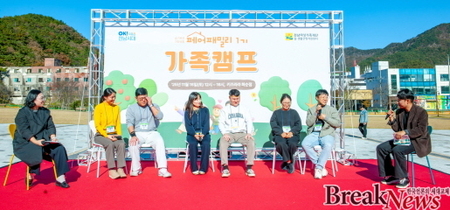
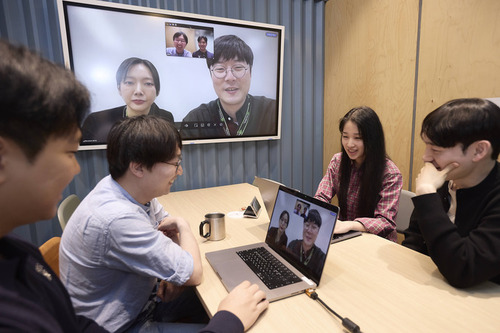
▲ ‘지방교육자치를 말하다’콘퍼런스 개최(사진제공:전국시도교육감협의회) © 박상도 기자 |
(브레이크뉴스인천 박상도 기자) 전국시도교육감협의회(회장 강은희 대구광역시교육감)가 11월 19일, 울산전시컨벤션센터에서 ‘2025 대한민국 지방시대 엑스포’ 행사 중 ‘지방교육자치를 말하다’ 콘퍼런스를 개최했다고 밝혔다.
교육감협의회에 따르면, 이번 콘퍼런스는 지방교육자치 70여년을 돌아보고, 급변하는 교육환경 속에서 교육자치의 지속가능성을 확보하기 위한 방향과 전략을 모색하기 위해 마련됐다.
이날 콘퍼런스에는 전국시도교육감협의회, 시·도교육청, 지방자치단체 관계자 약 80명이 참석하였으며, 교육자치의 철학과 비전, 실천 사례를 통한 지역교육 발전 방향을 함께 모색하는 뜻깊은 자리가 됐다.
강은희 회장은 개회사에서 “전국시도교육감협의회는 아이 한 명, 한 명의 삶과 성장에 중심을 두면서 교육발전에 힘써 왔다.”고 하였으며, “이번 ‘지방교육자치를 말하다’ 콘퍼런스는 교육자치의 현주소를 살펴보고, 교육자치가 나아가야 할 방향을 모색할 좋은 기회가 되리라 생각한다.”라고 말하였다.
천창수 울산광역시교육감은 축사에서 “급변하는 교육환경으로 교육에 대한 걱정이 많다. 교육자치의 미래, 지역의 폐교와 통폐합 문제, AI발전에 따른 학교교육과정 편성, 혐오 문제 등 환경 변화에 따른 교육자치의 과제는 끊임이 없다.”며, “그러나 교육자치는 스스로 해결할 수 있는 지혜와 역량이 있고, 이번 콘퍼런스가 지혜와 역량을 모으는 기회가 되었으면 한다.”고 말했다.
○ 교육자치의 본질과 재정 지속가능성 진단
1부 주제발표에서 박수정 교수(충남대학교)는 "지방교육을 위한 자치는 역량과 협력이 필요하다.”며 교육자치가 학령인구 감소, 통합론, 분권화 정책, 주민 참여 확대 등 환경 변화에 직면해 있다고 진단했다.
박수정 교수는 교육자치의 지속가능성을 위해 중앙-지방 관계 재설정, 교육청-지자체 실질적 협력 강화, 확대된 교육 수요 대응, 미래지향적 교육재정 확보가 필요하다고 제언했다.
나민주 교수(충북대학교)는 "교육재정을 비용이 아닌 미래를 위한 투자로 인식해야 한다."며 2025년부터 2034년까지 최악의 시나리오일 경우 10년간 74.9조 원이 부족할 것으로 예상된다며 지방교육재정의 위기를 진단했다.
특히 특수교육·이주배경·기초학력 지원 등 고수요 학생이 급증하고 있으며 지속가능성 확보를 위해 중장기 재정계획 수립, 예산 운용 자율성 확대, 적정교육비 산정 등이 필요하다고 했다.
○ 지역과 함께하는 교육자치 모델 확산
2부 사례발표에서는 광주광역시교육청, 경기도고양교육지원청, 강원특별자치도교육청, 충청북도진천교육지원청이 각각 지역 협력 모델을 소개했다.
광주광역시교육청은 광주시·자치구·지역대학·유관기관·기업과의 협력으로 AI 팩토리 157개교, 디지털 선도학교 61개교를 운영하여 ‘광주가 인재를 키우고, 인재가 다시 광주를 성장시키는’ 선순환 모델을 제시했다.
경기도고양교육지원청은 직업계고등학교를 미디어스타트업, K-콘텐츠 제작, 펫업, 애니랩, 베이커리 창업, K-테마관광 등으로 특화한 창업캠퍼스를 운영하여 ‘직업계고등학교가 지역을 이끌고, 지역이 학교를 키우는’ 모델을 소개했다.
강원특별자치도교육청은 강원도의 지역 특성과 연계하여 교육생태계를 구축하고, 학생의 돌봄, 역량 개발, 지역에서 성장하고 지역 정착까지의 전 과정을 지원하는 ‘교육과 지역을 잇는 강원교육생태계’ 모델을 발표했다.
충청북도진천교육지원청은 진천군-음성군 협력으로 혁신도시 인프라를 활용한 늘봄시스템과 공공기관·체육시설·문화시설을 연계한 공유교육 프로그램을 운영하며 ‘중부권 거점 에듀케어 도시’를 조성하고 있다고 발표했다.
○ 교육자치 현안(교권보호 5법) 발표
현안 발표에서 전제상 교수(공주대학교)는 전국 8,600여 명 교원을 대상으로 한 설문조사에서 "교권보호 5법이 교원의 심리적 안정감 제공에는 일부 기여했으나, 무분별한 아동학대 신고 등 일부 정책의 실효성은 여전히 부족하다.”고 분석했다.
이에 따른 개선 방안으로 아동학대 신고 행위 자체에 초점을 맞춘 법적·정책적 접근 마련, 교사의 권리 의식을 높일 수 있는 연수와 지원 확대 등을 제시했다. .
*아래는 위 기사를 ‘구글 번역’으로 번역한 영문 기사의 [전문]입니다.‘구글번역’은 이해도 높이기를 노력하고 있습니다. 영문 번역에 오류가 있을 수 있음을 전제로 합니다.<*Below is the full text of the English translation of the above article, translated using Google Translate. Google Translate strives to improve comprehension. Please understand that there may be errors in the English translation.>
National Association of Metropolitan and Provincial Superintendents of Education Holds "Talking About Local Educational Autonomy" Conference
Sharing best practices from the Gwangju, Goyang, Gangwon, and Jincheon Education Development Special Zones, presenting the results of a field survey on the five laws protecting teachers' rights, and discussing improvement measures.
-Break News Incheon Park Sang-do Reporter
The National Association of Metropolitan and Provincial Superintendents of Education (Chairman Kang Eun-hee, Daegu Metropolitan City Superintendent of Education) announced that it held the "Talking About Local Educational Autonomy" conference on Wednesday, November 19th, at the Ulsan Exhibition and Convention Center during the "2025 Korea Local Era Expo."
According to the National Council of Superintendents of Education, this conference was organized to reflect on the 70 years of local educational autonomy and explore directions and strategies to ensure its sustainability in a rapidly changing educational environment.
Approximately 80 participants from the National Council of Superintendents of Education, city and provincial offices of education, and local governments attended the conference. It was a meaningful opportunity to explore the philosophy, vision, and practical examples of educational autonomy and to explore the future direction of local education.
In her opening remarks, President Kang Eun-hee stated, "The National Council of Superintendents of Education has dedicated itself to educational development, focusing on the life and growth of each and every child." She added, "I believe this 'Talking About Local Educational Autonomy' conference will provide a valuable opportunity to examine the current state of educational autonomy and explore its future direction."
In his congratulatory address, Ulsan Metropolitan Superintendent of Education Chun Chang-soo stated, "The rapidly changing educational environment raises many concerns about education. The future of educational autonomy, regional school closures and mergers, school curriculum development in response to AI advancements, and the issue of aversion are among the challenges facing educational autonomy amidst these changing circumstances." He added, "However, educational autonomy possesses the wisdom and capacity to solve these challenges on its own, and I hope this conference will serve as an opportunity to gather that wisdom and capacity."
○ Diagnosis of the Essence of Educational Autonomy and Financial Sustainability
In the first presentation, Professor Park Soo-jung (Chungnam National University) stated, "Autonomy for local education requires capacity and cooperation." She assessed that educational autonomy is facing environmental changes, including a declining school-age population, integration policies, decentralization policies, and increased resident participation.
Professor Park suggested that to ensure the sustainability of educational autonomy, it is necessary to reestablish central-local relations, strengthen practical cooperation between education offices and local governments, respond to expanded educational demands, and secure future-oriented education finances.
Professor Na Min-ju (Chungbuk National University) stated, "Educational finance should be viewed not as an expense, but as an investment in the future." She assessed the crisis in local education finance, predicting a 74.9 trillion won shortfall over a 10-year period from 2025 to 2034 in a worst-case scenario.
In particular, the number of high-need students, including those with special education, immigrant backgrounds, and those with basic academic skills, is rapidly increasing. She emphasized the need for mid- to long-term financial planning, greater budgetary autonomy, and appropriate education cost calculations to ensure sustainability.
○ Expanding Education Autonomy Models in Cooperation with Local Communities
In the second part of the case presentation, the Gwangju Metropolitan Office of Education, the Gyeonggi Province Goyang Office of Education, the Gangwon Province Office of Education, and the Chungcheongbuk-do Jincheon Office of Education each presented regional cooperation models.
The Gwangju Metropolitan Office of Education, in collaboration with Gwangju City, autonomous districts, local universities, related organizations, and businesses, operates 157 AI Factories and 61 Digital Leading Schools, proposing a virtuous cycle model where "Gwangju cultivates talent, and talent, in turn, fosters Gwangju."
The Goyang Office of Education in Gyeonggi Province introduced a model where "vocational high schools lead the region, and the region fosters the school" by operating startup campuses specializing in media startups, K-content production, pet businesses, animation labs, bakery startups, and K-theme tourism.
The Gangwon Special Self-Governing Provincial Office of Education announced the "Gangwon Education Ecosystem: Connecting Education and the Region," a model that builds an educational ecosystem aligned with Gangwon Province's regional characteristics and supports the entire process from student care and competency development to local growth and settlement.
The Jincheon Office of Education in North Chungcheong Province announced that it is developing a "Central Educare City" through collaboration between Jincheon County and Eumseong County. This includes operating the Neulbom system, which utilizes the innovative city infrastructure, and a shared education program linking public institutions, sports facilities, and cultural facilities.
○ Presentation on Current Issues in Educational Autonomy (Five Laws on Teachers' Rights Protection)
In his presentation on current issues, Professor Jeon Je-sang (Kongju National University) analyzed a survey of approximately 8,600 teachers nationwide and concluded, "While the Five Laws on Teachers' Rights Protection have contributed to providing some psychological stability to teachers, the effectiveness of some policies, such as the indiscriminate reporting of child abuse, remains insufficient."
Responding to these issues, he proposed a legal and policy approach focused on the act of reporting child abuse itself, as well as expanded training and support to raise teachers' awareness of their rights.
원본 기사 보기:ebreaknews.com