어느 시인이 쓴 ‘인생이라는 복권’이라는 글을 읽다가 잠시 생각에 잠겼다. 시인은 길을 걷다 ‘로또 명당 1등 당첨자 55명 배출’이라는 화려한 선전 문구를 보았다고 한다. 그 문구 앞에서 자신의 어머니를 떠올렸다. 칠십 평생, 어머니는 매주 거르지 않고 복권을 사셨지만 단 한 번도 행운의 주인공이 된 적이 없으셨다. 딸인 시인의 눈에는 그런 어머니가 안쓰러우면서도 한편으론 의아했을 것이다. ‘어쩌면 저렇게 뻔한 상술에 속고도 또 속고 싶으실까’ 하는 애정 어린 타박이 글 속에 묻어났다. 하지만 그 풍경은 비단 시인의 어머니에게만 국한된 것이 아니다. 주말이면 복권 판매점 앞은 늘 인산인해를 이룬다. 그 모습을 볼 때마다 나는 예전 내가 일하던 잠실역 주변의 풍경을 떠올리곤 한다. 그곳의 복권 판매점은 주말이 아니어도 활기가 넘쳤다. 특히 점심시간이면 인근 직장인들이 쏟아져 나와 200미터가 넘는 긴 줄을 서는 것이 예사였다. 2023년 11월 당시, 그 가게 앞에는 ‘1등 19회 당첨’이라는 위풍당당한 숫자가 붙어 있었다.
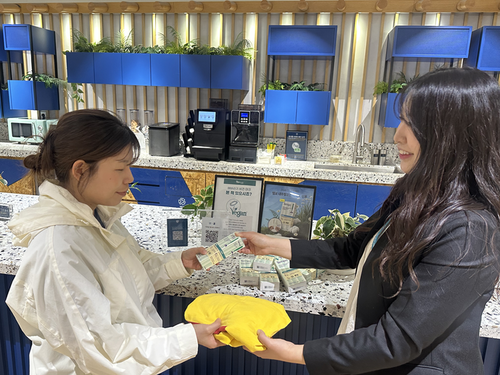
 ▲복권 가게 ©브레이크뉴스 |
 ▲복권 가게 ©브레이크뉴스 |
나는 그곳을 지날 때마다 줄을 선 사람들의 뒷모습을 사진으로 몇 차례 찍어두기도 했다. 과연 저들 중 몇 명이나 꿈꾸던 행운을 거머쥐게 될까. 사실 냉정하게 따져보면 ‘명당’이라는 것도 결국 통계의 마법일지 모른다. 저렇게 많은 사람이 매일같이 줄을 서서 사는데, 당첨자가 많이 나오는 것은 어쩌면 수학적인 당연함일 것이다. 명당이라서 사람이 몰리는 것인지, 사람이 몰려서 명당이 된 것인지 알 수 없었지만, 그 긴 행렬은 그 자체로 현대인의 간절한 기원을 담은 풍경화처럼 느껴졌다. 나 역시 주변을 둘러보아도 실제로 복권 1등에 당첨됐다는 사람을 본 적은 없다. 시인의 어머니처럼 대다수의 사람은 낙첨의 쓴맛을 보면서도 다시 지갑을 연다. 누군가는 이를 두고 희박한 확률에 던지는 헛된 돈 낭비라 치부할지도 모른다. 그러나 복권을 사는 이들의 마음속에는 단순히 ‘돈’ 이상의 무엇이 들어있다.
누군가는 커피 한 잔을 덜 마시고, 누군가는 담배를 끊는 대신 그 돈으로 일주일치의 희망을 산다. 껌값 정도의 소박한 지출로 당첨 발표를 기다리는 설렘을 얻는다면, 그것은 메마른 삶의 활력이자 비타민 같은 존재가 아닐까. 게다가 술을 마시고 허공에 날려버리는 돈보다, 좋은 일에 사용되는 복권 기금에 보탬이 된다는 점을 생각하면 그것은 일종의 ‘기부’이기도 하다. 복권이라는 작은 종이조각이 가져다준 드라마틱한 인생 반전 사례들은 우리를 더욱 솔깃하게 한다.
2024년 미국 뉴저지에서 들려온 소식은 그 인내의 결실이 얼마나 큰지 보여준다. 한 남성은 무려 7년 동안 단 하나의 숫자 조합만을 고집하며 복권을 샀다. 주변 사람들은 그를 향해 미련하다고 비웃었지만, 그는 마침내 1조 5천억 원이라는 상상조차 하기 힘든 행운의 주인공이 되었다. 당첨 직후 그가 내뱉은 “이제야 번호를 바꿀 수 있겠군” 그 한마디는, 오랜 고집이 빚어낸 해학이자 최고의 승전보였다.
따뜻한 신의가 담긴 이야기도 있다. 1984년 뉴욕의 어느 식당, 단골 경찰관 필리스는 지갑에 현금이 부족해 밥값 대신 복권 당첨금의 절반을 나누기로 식당 주인과 약속했다. 장난처럼 건넨 제안이었지만, 며칠 뒤 그 복권은 600만 달러라는 거액에 당첨되었다. 필리스는 망설임 없이 친구를 찾아가 당첨금의 절반인 300만 달러를 건넸고, 이 실화는 훗날 영화 <당신에게 일어날 수 있는 일>로 제작되어 세상에 알려졌다. 돈보다 귀한 것은 사람 사이의 약속임을 증명한 사례다.
우리나라의 사례 중에는 꿈과 현실이 교차하는 한국적인 풍경도 있다. 부산의 한 남성은 꿈속에서 돌아가신 조상님으로부터 번호를 전해 듣고는, 잠에서 깨자마자 잊을세라 벽지에 번호를 받아 적었다고 한다. 그 간절함이 통했는지 그는 1등 당첨의 주인공이 되었고, 당첨금 일부로 문중의 선산을 돌보며 조상에 대한 예우를 다했다.
또 어떤 이는 직장 상사에게 호된 질책을 듣고 쓰린 마음을 달래려 술을 마시다 무심히 산 복권 한 장으로 인생을 바꿨다. "그날 혼나지 않았다면 복권을 사지도 않았을 것"이라 말하는 그의 소회는 우리 삶의 불운과 행운이 얼마나 긴밀하고도 얄궂게 얽혀 있는지를 다시금 생각하게 만든다.
이런 이야기들을 접하다 보면 나 역시 엉뚱한 상상을 해본다. ‘정말 좋은 곳에 쓸 테니 저에게도 기회를 주십시오.’라고 정성껏 신께 기도해 볼까 하는 생각 말이다. 지성(至誠)이면 감천(感天)이라는데, 나의 이 간절한 마음이 하늘에 닿아 숫자 몇 개쯤 살짝 일치시켜 주지는 않을까 기대해 보는 것이다.
 ▲필자/ 문용대 작가. ©브레이크뉴스 |
시인은 글에서 참 재미있는 비유를 들었다. 결혼이야말로 일생일대의 가장 큰 복권을 사서 평생 긁어가는 일이며, 그래서 결혼이 참 좋은 일 같다는 생각이다. 긁을 때마다 무엇이 나올지 모르는 긴장감, 때로는 실망하고 때로는 환호하는 그 과정이 복권과 닮았다는 뜻일 게다.
생각해보면 복권 한 장 사는 돈 오천 원은 누군가에게는 껌 값이고, 누군가에게는 담배 한 갑이다. 그 돈으로 일주일 동안 "혹시나" 하는 설렘, 그것으로 충분한 것 아닐까. 당첨되면 좋고, 안 되면 좋은 일에 기부한 셈 치면 그만이다. 이번 주말에도 잠실역 그 명당자리에는 여전히 긴 줄이 늘어설 것이다. 나도 그 줄 끝에 슬쩍 서서, 당첨되면 무엇을 할지 기분 좋은 고민이나 한 보따리 사 들고 오고 싶다.
*필자/문용대 작가.
*아래는 위 기사를 '구글 번역'으로 번역한 영문 기사의 [전문]입니다. '구글번역'은 이해도 높이기를 위해 노력하고 있습니다. 영문 번역에 오류가 있을 수 있음을 전제로 합니다.<*The following is [the full text] of the English article translated by 'Google Translate'. 'Google Translate' is working hard to improve understanding. It is assumed that there may be errors in the English translation.>
Lottery Shops Where Office Workers Line Up... “Could I Win the Lottery Too?”
- Author Moon Yong-dae
I fell into a moment of thought while reading a piece titled “The Lottery Called Life” by a certain poet. The poet recounts seeing a flashy advertisement while walking down the street that read, “A Lucky Spot That Has Produced 55 First-Prize Winners.” Standing before that sign, she thought of her own mother. Throughout her seventy years of life, her mother bought a lottery ticket every single week without fail, yet she had never once become the lucky winner. To the poet, her daughter, she must have felt pity for her mother, but at the same time, wondered. An affectionate reproach—"How could she want to be fooled by such obvious commercial tactics again and again?"—was embedded in the text. However, that scene is not limited to the poet’s mother alone. On weekends, the area in front of lottery shops is always packed with people. Whenever I see that sight, I am reminded of the scenery around Jamsil Station, where I used to work. The lottery shops there were bustling with activity, even on days that weren't weekends. Especially during lunchtime, it was commonplace for nearby office workers to pour out and stand in a long line stretching over 200 meters. In November 2023, a majestic sign reading "19 First-Prize Wins" was displayed in front of the store.
Whenever I passed by, I took photos of the backs of the people in line several times. I wondered how many of them would actually seize the luck they had dreamed of. In fact, if one were to measure it coldly, the concept of a "lucky spot" might ultimately be nothing more than the magic of statistics. With so many people lining up every day to buy tickets, the fact that so many winners emerge is perhaps a mathematical natural consequence. I could not tell whether people flocked because it was a lucky spot, or whether it became a lucky spot because people flocked there, but that long line felt like a landscape painting capturing the earnest hopes of modern people. Even looking around, I have never actually seen anyone win the lottery first prize. Like the poet's mother, the majority of people open their wallets again, even after tasting the bitterness of defeat. Some might dismiss this as a futile waste of money thrown at slim odds. However, there is something more than just "money" in the hearts of those who buy lottery tickets.
Some people drink one less cup of coffee, while others buy a week's worth of hope with the money they would have spent on quitting smoking. If one can gain the excitement of waiting for a winning announcement with a modest expenditure the size of chewing gum, isn't that a vitality for a parched life, akin to a vitamin? Furthermore, considering that it contributes to lottery funds used for good causes—rather than money wasted on alcohol—it is also a form of "donation." The dramatic life-changing stories brought about by a small piece of paper called a lottery ticket make us even more intrigued.
News from New Jersey, USA, in 2024 demonstrates just how immense the fruits of such patience can be. A man bought lottery tickets for a staggering seven years, sticking to a single combination of numbers. While those around him mocked him for being foolish, he finally became the lucky winner of an unimaginable fortune worth 1.5 trillion won. The single remark he uttered immediately after winning—“Now I can finally change my number”—was a humor born of long-standing stubbornness and the ultimate triumph.
There is also a story filled with warm loyalty. In 1984, at a restaurant in New York, a regular customer and police officer named Phyllis promised the owner that instead of paying for the meal, he would share half of his lottery winnings because he was short on cash. Although it was a suggestion made as a joke, a few days later, that ticket won a massive sum of $6 million. Without hesitation, Phyllis visited his friend and handed over $3 million, half of the winnings; this true story was later made into the movie *It Could Happen to You* and became known to the world. It is an example proving that promises between people are more precious than money.
Among examples from Korea, there are also uniquely Korean scenes where dreams and reality intersect. A man in Busan reportedly received a number from his deceased ancestor in a dream, and as soon as he woke up, he wrote it down on the wallpaper so he wouldn't forget it. Perhaps his earnestness paid off, as he became the winner of the first prize; he used part of the winnings to tend to his clan's ancestral burial ground, paying his utmost respect to his ancestors.
Another man changed his life with a single lottery ticket he bought inadvertently while drinking to soothe his bitter heart after receiving a harsh reprimand from his boss. His reflection—saying, "If I hadn't been scolded that day, I wouldn't have bought the ticket"—makes us reflect once again on how closely and ironically misfortune and good fortune are intertwined in our lives.
As I encounter such stories, I, too, indulge in whimsical daydreams. I find myself thinking about praying earnestly to God, saying, "Please give me a chance, as I will use the money for a truly good cause." They say that sincerity moves heaven, so I hope that my earnest heart might reach the heavens and perhaps slightly match a few of the numbers.
The poet used a truly interesting metaphor in his writing. I believe that marriage is like buying the biggest lottery ticket of a lifetime and scratching it for a lifetime, which is why I think it is such a wonderful thing. I suppose I mean that the tension of not knowing what will come out each time you scratch it, and the process of sometimes being disappointed and sometimes cheering, resemble a lottery ticket.
Come to think of it, the five thousand won it costs to buy a single lottery ticket is the price of chewing gum for some, and a pack of cigarettes for others. Isn't the excitement of "what if" for a week with that money enough? It's great if you win, and if you don't, you can just consider it a donation to a good cause. This weekend, long lines will likely still form at that prime spot at Jamsil Station. I, too, want to quietly stand at the end of that line and buy a bundle of pleasant worries about what to do if I win.
*Author/Writer Moon Yong-dae