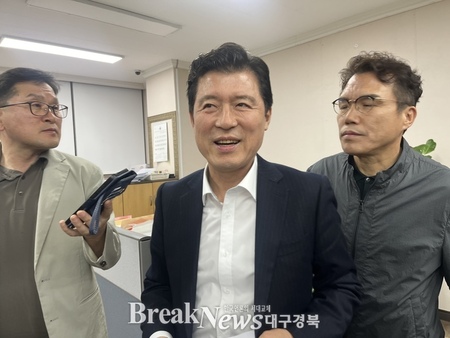
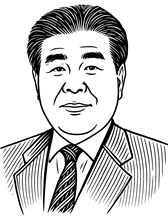
▲ 정길선 박사 ©브레이크뉴스 |
태국은 음기가 강하다. 베트남도 마찬가지다. 동남아시아가 거의 그런듯 하다. 그래서 그런지 여성들의 기가 쎄고 생활력이 강하다. 동남아시아는 대체로 남성보다 여성이 강하다. 태국이나 베트남의 경우, 이상한게 방콕이나 호치민, 하노이의 대형 쇼핑몰 몇 군데를 제외하고 주차장이 지하로 내려가지 않고 지상으로 나와있다. 건물도 지하가 드물다. 그 이유는 방콕과 하노이, 호치민 등은 지반이 매우 약하기 때문이다. 땅을 파면 물이 나오고 차오프라야 강이나 홍 강, 사이공 강의 지류 하천들이 워낙 많은데다 이들 도심들이 지어지기 전에는 해당 지역들 자체가 거의 늪지대나 다름 없었다. 특히 카오산 일대의 경우, 과거에는 군항이었던 곳이었던데다 카오산 로드 일대까지 배를 타고 들어올 수 있었다고 한다. 최근 몇 년간의 나타난 많은 환경 연구보고서는 베트남에서도 가장 많은 2,000만 명의 인구가 거주하는 메콩 강 삼각주가 가라앉고 있으며 100년 안에 사라질 수도 있다고 경고했을 정도로 지반이 심각히 취약하다.
호치민도 프랑스가 식민지 시절, 사이공을 만들었을 때, 메콩 강의 지류인 사이공 강의 늪지대를 인위적으로 매워 도시를 건설했다. 그런 현실이다 보니 지면 깊숙히 건축이 어렵다. 그래서 방콕 지상철(BTS)이나, 하노이, 호치민의 지상철들이, 한국의 경전철처럼 지면 위로 달리는 이유 중 하나다. 음기가 넘치다보니 귀신 얘기가 가득하고, 전혀 검증 안 된 이야기지만 귀신을 보는 무속인들이 태국에 와서 하는 말이 정말 귀신이 많다고 했을 정도다. 나 또한 태국 공포영화인 <셔터>를 보고 <주온>보다 더 서늘함을 느꼈을 정도였다. 베트남 🇻🇳 의 경우, 음양으로 본다면 본시 음의 기운이 강한 나라다. 습도도 높고 고인물들도 많고 예전에 늪지대였던 곳이 개발되어 도시나 마을이 된 곳은 호치민 외에도 많다. 하노이 또한 1,000년 전 수도로 건설되기 전에는 늪지대였다. 그리고 국토 70% 이상을 차지했던 베트남의 정글 밀림들도 개발에 의해 사라졌다. 그런데 이것이 정말 개발 뿐이었을까?
잦은 전쟁으로 인해 밀림과 늪이 점차 메워졌고 땅 속에 숨어있으며 게릴라 전을 일삼는 소위 베트남군을 찾아내기 위해 엄청난 양의 미사일과 화기들을 뿌려댄 미국, 프랑스, 일본 등의 열강들 때문인 것도 있다. 그 전쟁으로 인해 밀림이 무더기로 죽어갔고 지금 베트남에 국토 70% 이상의 밀림이 대부분 사라진 것은 그러한 이유 때문이다. 그러나 베트남은 전쟁이 끝나자 전쟁으로 인해 파괴되어 죽음의 숲이 된 밀림들을 도시와 마을로 개발하면서 사람이 살 수 있는 곳으로 변해갔다. 그리고 현재에도 베트남 곳곳에 크고 작은 물웅덩이가 많다. 그곳은 예전에 늪지대였던 곳이다. 그러나 개발되면서 그저 작은 연못이나 큰 곳은 저수지, 호수 등으로 되는 경우가 많다. 그래서 땅에 수분이 많고 습하며 지반침하가 잦다. 그리고 베트남만큼 안개가 잦은 나라도 몇 없다. 태국도 마찬가지고 물안개가 피어있는 도시가 많다.
그래서 물안개 피는 날의 베트남 시골은 온갖 흉흉한 소문이 많고 그런 지대는 보통 작은 사당인 미에우(Mieu)를 많이 세우는데 이는 귀신을 달래주기 위해서이며 관 운장 상과 치우의 상이 많은 것은 관운장의 청룡언월도로 못된 귀신을 쳐 버리고 치우의 험악한 얼굴로 귀신을 심판한다 믿기 때문이다. 사당 곳곳에 관우의 상과 치우의 상이 많은 것은 그 때문이다.음기가 최고조에 달하는 음력 7월 15일은 하늘이 열리는 날이다. 이 날은 귀신들이 저승 세계에서 이승으로 내려오는 날로 각 가계나 식당들은 밖에 제사상들을 차려내며 이 음식들을 먹고 산 사람들에게 해꼬지 하지 말아달라는 의미를 갖고 있다. 음기가 쎈 곳이 귀신이 많으며 베트남 귀신 중에서 가장 원한이 많은 귀신은 걸귀(乞鬼)라 하여 굶어 죽은 귀신을 말한다. 베트남에 걸귀라는 귀신이 가장 무섭고 많은 이유는 프랑스의 지배와 일본, 미국의 침공을 받았기 때문이다.
특히 프랑스 정부와 일본 정부에 의해 집중적으로 지하 자원과 쌀을 수탈한 때는 제1차 세계대전, 태평양 전쟁과 맞물려 있다. 당시 직접적으로 마지노선에서 독일과 전투를 벌이고 있었던 프랑스는 물자 부족과 식량 부족에 허덕이고 있었으며 일본은 태평양 전쟁에서 미국 및 영국, 프랑스 등과 태평양 및 동남아시아 각지에 이르기까지 매우 광범위한 전선을 형성하고 있었기에 항상 보급 문제에 시달렸다. 프랑스는 각 식민지들을 쥐어 짜며 수탈했고 베트남은 대대적으로 쌀을 수탈 당했다. 일본도 서구 열강에게서 베트남을 해방시키기 위해 대신 싸워주고 있다면서 그 명분으로 쌀을 강탈했다. 프랑스와 일본은 산처럼 쌓아있는 쌀 가마니를 작은 배에 싣고 증기선까지 운반하여 싣는다. 이 쌀들은 프랑스와 일본 군대의 보급으로 보내졌지만 쌀을 수탈 당한 베트남에서는 아사자들이 속출했다.
베트남에서 가장 무서워하는 귀신, 恨이 많은 귀신을 걸귀(乞鬼)라고 하여 당시에 굶어 죽은 귀신이 많은 이유다. 베트남 인들은 현재에도 이들 귀신들을 노하게 하면 반드시 흉악한 일이 닥칠 것으로 믿고 있다. 그래서 음력 7월 15일 하늘이 열릴 때 당시 굶어죽은 귀신들이 마음껏 음식을 먹고 가라고 집 밖 곳곳에서 음식과 더불어 향을 피우고 제사지내는 것을 볼 수 있다. 이 또한 제국주의의 수탈에서 비롯된 전통이니 안타깝기 그지 없는 일이다. 두 번째로 원한이 많은 귀신은 상귀(傷鬼) 라 하여 사고로 죽은 귀신을 말한다. 매년 베트남 도로 사고 사망자는 평균 약 14,000명 정도로 이중에서 59%가 오토바이 사고에서 비롯된다. 베트남 인구의 약 72.8%가 오토바이를 주요 교통수단으로 사용하고 있으며, 이는 동남아시아 국가 중 가장 높은 수치로 음주운전, 과속, 교통 법규 미준수 등 운전 습관과 낡고 패인 도로 사정 등이 그 원인으로 꼽힌다.
게다가 베트남은 오토바이 헬멧을 반드시 착용하도록 법으로 정하고 있으나 태국은 그조차도 법으로 정해져 있지 않아 헬멧 미착용 상태로 오토바이를 타고 다니는 사람들도 많다. 필자도 방콕에서 그랩 오토바이를 이용할 때마다 그랩 오토바이에 승객용 헬멧이 구비되어 있지 않아 머리를 노출한 상태로 그랩 오토바이 운전 기사만 믿고 목숨을 맡기며 달려야 했다.태국의 오토바이들은 베트남처럼 역주행도 많이하고 트럭이나 픽업 오토바이들도 운전 위험하게 하는 경우가 상당히 많다. 무엇보다 국제 면허나 태국 면허를 취득하지 않고 운전하는 여행객들도 꽤 많고 실제로 사고나서 크게 다치는 경우도 많이 봤다. 태국은 전 세계에서 오토바아 교통사고 사망율 세계 1위의 오명을 갖고 있다.
올해 태국 최대 명절이자 ‘지상 최대 물 축제’로 불리는 송크란 기간에 200명 이상이 교통사고로 숨졌다고 한다. 태국 당국은 대부분 오토바이 사고였다며 과속과 음주 운전 때문이라 한다. 태국에서는 오토바이 탈 때 조심해야 한다. 게다가 오토바이 사고는 보험 처리도 안 된다. 베트남 달랏에서는 그룹 '넥스트' 맴버 임창수씨가 오토바이 사고로 사망한 사건도 있었다. 베트남의 오토바이 사고 현장을 가면 죽은 사람이 천으로 덮여 있고, 그 앞에 밥 한 공기에 향불을 꽂아 놓고 피워져 있는 것을 볼 수 있다. 이승에서 외롭지 않게 한(恨)을 풀라고 마지막 밥 한 공기 먹고 뱃속 든든히 저승으로 가서 이승에 대한 원한을 갖지 않길 바라는 마음이자 망자를 불쌍히 여기며 배려하는 차원임을 알 수 있다.
세 번째는 억귀(臆鬼) 혹은 환귀(患鬼) 라 하여 억울하게 죽은 귀신을 말한다. 베트남의 경우, 공산당이 통치하는 나라이기 때문에 생각보다 정치권, 경제권 등 상류층에서 숙청이 자주 벌어진다. 게다가 부정부패로 인해 억울하게 죽은 사람들도 꽤 있으며 베트남의 경우, 중국처럼 아직도 사형이 보편적으로 시행되고 있다. 베트남의 사형장이나, 이름 모를 저수지 및 인적이 뜸한 숲속 같은 곳을 가면 간혹 향불이 피워져 있는 것을 볼 수 있는데 이는 억귀(臆鬼) 혹은 환귀(患鬼)를 위해 그 영혼을 달래기 위한 향이다. 네 번째는 역귀(疫鬼) 라 하여 전염병으로 죽은 귀신을 말하며 이들의 영혼을 달래기 위한 제사는 계속 지내지고 있다. 그리고 여성의 기(氣) 도 쎄서 모계의 전통을 가지고 있다. 이처럼 베트남이나 태국, 동남아시아 국가들은 대체적으로 음기가 강하기에 남성성이 강한 러시아나 미국과 친하게 지내고 같은 기운인 중국과 같은 동남아권 나라들을 견제한다. 음양으로도 국제관계를 파악할 수 있는 훌륭한 예시를 동남아시아 국가들이 증명하고 있다.
*필자/ 정길선.
노바토포스 회원, 역사학자, 고고인류학자, 칼럼니스트, 러시아 과학아카데미 유라시아 고고인류학연구소 연구교수.
*아래는 위 기사를 '구글 번역'으로 번역한 영문 기사의 [전문]입니다. '구글번역'은 이해도 높이기를 위해 노력하고 있습니다. 영문 번역에 오류가 있을 수 있음을 전제로 합니다.<*The following is [the full text] of the English article translated by 'Google Translate'. 'Google Translate' is working hard to improve understanding. It is assumed that there may be errors in the English translation.>
The Yin Energy of Thailand and Vietnam: Why Southeast Asian Countries Are So Rich in Ghosts
Columnist Jeong Gil-seon
Thailand has strong yin energy. Vietnam is no exception. It seems that Southeast Asia is largely like that. Perhaps for this reason, women possess strong energy and a strong will to survive. In Southeast Asia, women are generally stronger than men. In Thailand and Vietnam, it's strange that, with the exception of a few large shopping malls in Bangkok, Ho Chi Minh City, and Hanoi, parking lots are aboveground, not underground. Buildings are also rarely underground. This is because the ground in Bangkok, Hanoi, and Ho Chi Minh City is extremely weak. Digging into the ground reveals water, and tributaries to the Chao Phraya, Red, and Saigon Rivers are numerous. Before these urban centers were built, these areas were practically swamps. The Khao San area, in particular, was formerly a military port, and it's said that boats could reach Khao San Road. In recent years, numerous environmental studies have warned that the Mekong Delta, home to 20 million people and the largest river in Vietnam, is sinking and could disappear within 100 years, demonstrating the severely fragile ground.
When Ho Chi Minh City was built during the French colonial era, the city was built by artificially filling in the swamps of the Saigon River, a tributary of the Mekong. This reality makes building deep underground difficult. This is one reason why the Bangkok Skytrain (BTS), Hanoi, and Ho Chi Minh City's elevated railways, like Korea's light rail, run above ground. Because of this overflowing yin energy, ghost stories abound. While completely unverified, shamans who see ghosts have even claimed that Thailand is truly teeming with ghosts. I, too, found the Thai horror film "Shutter" even more chilling than "Ju-on." Vietnam 🇻🇳, if we consider the concept of yin and yang, is a country with a strong yin energy. Ho Chi Minh City is not the only place where high humidity, stagnant water, and formerly swampy areas have been developed into cities and towns. Hanoi, too, was a swamp before it was established as the capital 1,000 years ago. Furthermore, Vietnam's jungles, which once covered over 70% of the country, have also been decimated by development. But was this truly solely due to development?
Frequent wars gradually filled in the jungles and swamps. This was also partly due to the massive deployment of missiles and firearms by powers like the United States, France, and Japan, who sought to locate the so-called Vietnamese army, hiding underground and engaging in guerrilla warfare. The wars decimated the jungles, and it is for this reason that over 70% of Vietnam's forests have now been largely decimated. However, after the war, Vietnam transformed the once-destroyed jungles into cities and towns, transforming them into habitable areas. Even today, numerous pools of water, large and small, can be found throughout Vietnam, representing what were once swamps. However, with development, small ponds or large areas are often transformed into reservoirs, lakes, and other structures. Consequently, the soil is moist and humid, and land subsidence is frequent. Few countries experience as much fog as Vietnam. Thailand is no exception, and many cities are covered in mist.
Therefore, on misty days, the Vietnamese countryside is rife with ominous rumors. These areas often have small shrines called "Mieu" (temples) built to appease ghosts. Statues of Guan Yu and Chi You are abundant, reflecting the belief that Guan Yu struck down evil spirits with his Green Dragon Crescent Blade, while Chi You, with his fierce face, judged them. This explains the abundance of statues of Guan Yu and Chi You throughout shrines. The 15th day of the 7th lunar month, when yin energy is at its peak, is called "Heaven Opens Day." This is the day when ghosts descend from the afterlife to the living. Households and restaurants set out offerings outside, hoping to spare the living from harm by eating these offerings. Places with strong yin energy are home to many ghosts, and among the Vietnamese ghosts, the most resentful are the beggars, or "beggars," who starve to death. The reason these ghosts are so terrifying and numerous in Vietnam is because of the country's history of French rule, Japanese invasions, and American invasions.
The period of intensive exploitation of underground resources and rice by the French and Japanese governments coincided with World War I and the Pacific War. At the time, France, directly engaged in combat with Germany along the Maginot Line, was suffering from material and food shortages. Japan, meanwhile, formed a vast frontline with the US, UK, and France, extending across the Pacific and Southeast Asia, constantly faced supply problems. France exploited its colonies, squeezing them to the bone, and Vietnam was plundered of rice on a massive scale. Japan, too, claimed to be fighting on Vietnam's behalf to liberate it from Western powers, and seized rice under this pretext. France and Japan loaded the mountainous sacks of rice onto small boats and transported them to steamships for loading. This rice was sent as supplies for the French and Japanese armies, but Vietnam, plundered by the rice, suffered from starvation.
The most feared ghost in Vietnam, a resentful spirit, was called a "begging ghost" (乞鬼), which explains the high number of ghosts who starved to death at the time. Even today, the Vietnamese believe that angering these ghosts will inevitably lead to terrible events. Therefore, on the 15th day of the 7th lunar month, when the heavens open, people can be seen burning incense and offering food and offerings outside homes, offering the ghosts who starved to death their fill. This is also a deeply saddening tradition, stemming from imperialist exploitation. The second most resentful ghost is the "injured ghost" (傷鬼), referring to ghosts who died in accidents. Annually, an average of 14,000 road fatalities in Vietnam occur, with 59% of these deaths stemming from motorcycle accidents. Approximately 72.8% of the Vietnamese population uses motorcycles as their primary mode of transportation, the highest among Southeast Asian countries. This is attributed to driving habits such as drunk driving, speeding, and disobeying traffic laws, as well as aging and rutted roads.
Furthermore, while Vietnam requires motorcycle helmets by law, Thailand doesn't, so many riders ride without them. Every time I took a Grab motorcycle in Bangkok, I found myself without a passenger helmet, leaving my head exposed and relying solely on the driver. Like Vietnam, Thai motorcycles often drive the wrong way, and trucks and pickups are also prone to dangerous driving. Furthermore, many tourists drive without international or Thai driver's licenses, and I've seen many accidents resulting in serious injuries. Thailand has the world's highest motorcycle fatality rate.
This year, more than 200 people reportedly died in traffic accidents during Songkran, Thailand's biggest holiday and the "Greatest Water Festival on Earth." Thai authorities attribute most of the deaths to motorcycle accidents, citing speeding and drunk driving. Caution is advised when riding motorcycles in Thailand. Furthermore, motorcycle accidents are not covered by insurance. In Da Lat, Vietnam, Lim Chang-soo, a member of the group "Next," died in a motorcycle accident. At motorcycle accident sites in Vietnam, you'll often see the deceased covered in a cloth, with a bowl of rice and incense sticks lit in front of them. This practice reflects the hope that the deceased will eat their last bowl of rice, relieve their loneliness in this life, and go to the afterlife with a full stomach, free from resentment. It also reflects compassion and consideration for the deceased.
The third category is "Eok-gwi" (臆鬼) or "Hwan-gwi" (患鬼), referring to ghosts who died unjustly. In Vietnam, because it's a communist-ruled country, purges are more frequent than you might think, particularly among the upper classes, including those in politics and economics. Furthermore, many people have been unjustly killed due to corruption. Like China, the death penalty is still widely practiced in Vietnam. In Vietnamese execution grounds, unnamed reservoirs, and secluded forests, you'll occasionally see incense burning. This incense is meant to appease the spirits of "臆鬼" (ghosts in a burrow) or "患鬼" (ghosts in a disease). The fourth category is "疫鬼" (ghosts of plague), referring to ghosts who died from infectious diseases. Ceremonies to appease their spirits continue to be held. Furthermore, women's qi (energy) is also strong, leading to matriarchal traditions. Thus, Vietnam, Thailand, and other Southeast Asian countries, generally characterized by strong yin energy, maintain close ties with masculine nations like Russia and the United States, while keeping in check Southeast Asian countries like China, which share the same yin energy. Southeast Asian countries provide excellent examples of how yin and yang can be used to understand international relations.