[노병한의 관상·칼럼]글자 모양에 비유하는 관상의 유형에는 ‘갑(甲)자상·유(由)자상·신(申)자상·전(田)자상·동(同)자상·왕(王)자상·원(圓)자상·목(目)자상·용(用)자상·풍(風)자상’ 등 10가지가 대표적이다. 오늘은 납 용자형(用字形)·용자상(用字相) 얼굴의 생김새의 특징을 살펴보자.
용자형(用字形)의 관상 이 유형은 지금까지 다룬 甲·由·申·田·同·王·圓·目 등과는 또 다른 독특한 성격을 지니며, “능력·실용·성과”라는 핵심 키워드를 중심으로 관찰함이 중요하다. 용(用)자형의 관상은 얼굴의 면부가 단정하지 못하고 일부 기울어지거나 삐뚤어짐을 가리켜서 쓸 용(用)자의 얼굴이라 한다.
그런데 용(用)자형의 관상에 만약 눈썹과 눈이 순수하지 않고 뒤섞이어 잡(雜)되고 어지러우며, 코가 구부러져 있거나, 입이 삐뚤어지면 반드시 한번 이산(離散)이나 파산(破産)한 연후에 다시 다시 일어서고 이루어내 재기(再起)·재건(再建)하는 관상이다.
남녀 모두 용(用)자형의 관상일 경우 홀아비·과부·고아·독거노인과 같이 외롭고 의지할 곳 없이 환과고독(鰥寡孤獨)이거나 배우자궁에 사궁(死宮)을 갖추고 있음에 비유될 수 있다.
용자형(用字形)의 관상이 갖는 얼굴의 면부(面部)·안면(顔面) 생김새의 특징을 보자. 용자형(用字形)의 관상은 얼굴의 한쪽이 삐뚤어졌거나 골육(骨肉)이 들쭉날쭉해서 고르지 못하고, 이마가 삐뚤어지거나 눈썹·눈의 균형이 맞지 않거나, 코가 한쪽으로 굽어 있기도 하고, 양쪽 귀의 높낮이가 차이가 나던지, 턱이 삐뚤어지는 등 얼굴의 윤곽과 ‘눈·코·입·귀·눈썹’의 이목구비에 해당하는 오관(五官)의 균형이 일치하지 않는 게 특징이다.
 *필자/병한 사주풍수칼럼니스트 |
용자형(用字形)의 관상이 ‘동(同)자형 관상’과 언뜻 닮은듯하지만 ‘동(同)자형’은 반듯한 데 비해서 ‘용(用)자형’은 턱뼈가 눈에 띄도록 한쪽으로 나와 있어 조화롭지 않은 게 다르다.
용(用)자형의 관상은 얼굴 전체가 마치 “用”자의 구조처럼 위아래로 길고 가운데가 허리처럼 잘록하게 들어간 형태를 띠고 있다. 용(用)자형의 관상은 이마와 턱이 비교적 뚜렷하고, 광대와 뺨이 중앙에서 다소 안쪽으로 들어가 있어 상하 연결성이 강조된 인상을 준다.
용(用)자형의 관상은 눈매가 실용적이고 냉철한 느낌을 주며, 입은 단단히 다물린 듯 의지가 강하게 드러나고, 코는 뿌리가 깊고 콧대가 곧으며, 입 주변의 근육이 탄탄하게 조여 있어 실행력·집중력이 있음을 암시한다.
용(用)자형의 관상은 얼굴 전체적으로 선이 흐트러짐 없이 구조적이며 기능적인 조화를 이루고 있다고 할 수 있다. ‘용(用)자형 관상’을 가진 정계 인물들의 특징을 보면 대체로 얼굴 구조가 세로로 흐르는 기운이 강하고, 턱·하관(下關)·지각(地脚)이 뾰족하게 모이며 얼굴 중심부에 힘이 집중되는 것을 알 수 있다.
이런 ‘용(用)자형 관상’은 성격이 불안정한데 감정 표현은 다소 절제하는 편이고, 기묘하고 비정상적인 성향이 있다. 그래서 ‘용(用)자형 관상’은 이상이나 감정보다 현실적 가치와 결과를 우선하는 실용주의자·실행가의 타입으로, 계획보다는 지금 당장 무엇을 할 수 있는지에 초점을 맞추고 행동하는 성향이 강하다.
‘용(用)자형 관상’은 책임감이 강하고, 냉철하고 객관적인 판단력을 유지하려 하며, 주어진 일을 끝까지 수행하려는 완수력·실천력이 탁월하다. 그러나 ‘용(用)자형 관상’은 쓸모와 성과를 중시하기에 효율적이지 않은 일이나 비현실적인 계획에는 냉소적인 태도를 보이기도 한다.
‘용(用)자형 관상’의 강점과 장점에 대해서 살펴보자. ‘용(用)자형 관상’은 실행력·성과 중심의 사고를 하기에 말보다 행동이 빠르고 구체적인 결과를 만들어내는 타입으로, 현실 감각과 판단력이 좋기에 이상보다 실질을 선택하므로 실패의 확률을 낮추는 장점이 있다.
‘용(用)자형 관상’은 책임감과 신뢰성이 강하기에 맡은 일은 끝까지 해내며 조직에서 신뢰받는 관상이고, 응용력과 적응력이 좋아 변화하는 상황에서도 기존의 주어진 자원을 활용하여 새로운 해결책을 도출하는 강점이 있는 관상으로 분류된다.
‘용(用)자형 관상’은 쓸모 있게 쓰일 때 가장 빛나는 상으로, 실용성과 실행력을 중심으로 삶을 전개한다. 이들은 조직과 구조 속에서 자신의 기능을 발휘할 때 운명이 크게 열리고, 인생 후반부까지 안정적인 성취를 누리는 유형의 관상이다.
‘용(用)자형 관상’의 약점과 단점에 대해서 살펴보자. ‘용(用)자형 관상’은 지나친 현실주의로 인해서 비전·철학적인 사고가 부족할 수 있고, 효율성에 지나치게 치중하기에 사람의 감정·관계 등을 소홀히 하는 경향이 있으며, 성과를 내지 못하는 사람이나 체계가 없는 조직에 대해서는 냉소적이고 비협조적인 태도를 보이기도 한다. 그래서 ‘용(用)자형 관상’이 장기 전략보다는 단기 실적에 집착하는 문제가 나타날 수 있다는 약점을 가진 관상이다.
 ▲ ‘용(用)자형 관상’의 운세의 특징과 정계·관계 인물 사례 © 노병한 사주풍수칼럼니스트 |
‘용(用)자형 관상’의 진로와 직업에 대해서 살펴보자. ‘용(用)자형 관상’의 특징이 이상보다는 실질을 선택하는 강점을 가진 관상이기에, 기능과 실무·운영과 관리 등을 필요로 하는 분야에서 뛰어난 능력을 발휘할 수 있는 관상이다.
그래서 ‘용(用)자형 관상’은 국가·기업 조직에서 행정·기획·운영·재무와 같은 실질을 담당하는 역할에 적합하고, 전문 기술이나 관리 능력이 필요한 엔지니어·전략기획자·행정관료 그리고 프로젝트를 실행하고 완수하는 최고운영책임자(PM·COO)의 역할에서도 탁월한 강점을 보이는 관상이다.
한편 ‘용(用)자형 관상’을 가진 사람이 이마에 비해서 턱·하관(下關)·지각(地脚)의 부위가 발달한 경우는 실업가·임업·광업·텀험가·조경사업 등의 분야에 종사하는 경향이 많다. 그런데 ‘용(用)자형 관상’을 가진 사람은 얼굴 전체의 형태에서 턱·하관(下關)·지각(地脚)의 부위가 약간 비틀어져 있는 경향이 있어, 대체로 한 번 정도는 실패한 후에 재기(再起)하고 성공하는 경우가 많다는 특징이 있다.
‘용(用)자형의 관상’의 초년운·중년운·말년운의 운세 흐름을 보자. ‘용(用)자형의 관상’의 [0세~30세의 전후] 초년운은 씨앗이 뿌리내리며 인생 초반의 성격 형성과 인간관계·습관이 자리를 잡는 시기다. 그래서 ‘용(用)자형 관상’의 초년운에는 능력에 비해 기회가 적어 잠재력은 높아도 빛을 보기 어렵고 고생하는 시기를 보내는 경향이 있다. 그런데 용(用)자형의 관상에 신체가 탄탄하고 피부에 윤기가 나며 윤택하면 초년의 20세 이전에는 좋은 운을 유지하며 의식이 평탄해 초기운이 좋은 편이다.
‘용(用)자형의 관상’의 [30세~55세·60세의 전후] 중년운은 인생의 중심 시기로 자신의 노력과 능력 그리고 선택이 운명을 크게 좌우하는 시기다. ‘용(用)자형의 관상’은 중년운에 성실성과 꾸준함으로 기반을 다지면서 30대 전후부터 점차 발탁의 운이 열림으로써, 인생의 전성기를 맞아 실력과 자원이 결합해 가장 큰 성과를 내는 시기이다.
그래서 ‘용(用)자형의 관상’은 중년운에 중요 프로젝트·조직 운영·국가 정책 등에서 핵심 실무자 또는 실행 책임자로 활약하며, 주변에서 자연스럽게 인정받고 리더십을 행사하게 되는데, 한마디로 중년 이후에 권력과 자원을 활용하여 성과를 내는 구조의 관상이다.
‘용(用)자형의 관상’의 [55세·60세의 이후~] 말년운은 열매를 맺고 거두는 시기로 초년과 중년에서 앞서 이룬 삶의 결실이 드러나는 시기다. 앞선 삶의 결과와 덕이 돌아오는 시기이기에, 말년운은 초년·중년 때 쌓은 인연과 덕으로 평안의 여부가 갈릴 수 있는 시기이고, 동시에 은퇴·자녀 문제·노후 자산·건강이 핵심을 이루는 시기다.
따라서 말년운에 경험과 노하우를 바탕으로 자문·감독·고문 역할로 전환되는 시기이고, 후배나 조직의 다음 세대를 이끄는 조언자로서 영향력이 유지되고, 현실적인 기반을 유지하면서 안정된 말년과 재물운을 누릴 수 있는 관상이다.
‘용(用)자형의 관상’의 건강과 수명을 살펴보자. ‘용(用)자형의 관상’은 기본 체력이 강하고 회복력이 좋아 평균 이상의 수명을 기대할 수 있는 관상이다. ‘용(用)자형 관상’은 간·신장 계통을 주의해야 하며, 과로로 인한 만성 피로가 누적될 개연성이 높기에, 실무중심 생활로 스트레스 관리가 중요하며, 이를 방치하면 중장년 이후 건강에 영향을 줄 수 있어 경계가 필요한 관상이다.
얼굴 아래쪽의 하정(下停)인 턱·하관(下關)·지각(地脚)은 ‘말년운·후계자운·부하운·말년의 건강운’ 등을 살필 수 있는 부위이다. 그런데 ‘용(用)자형 관상’인데 턱·하관(下關)의 부위가 틀어져 있는 사람은 방광의 기능이 약해 소변이 시원치 않고 요통·척추통증·후두통 등이 자주 발생하는 경향이 있다.
‘용(用)자형 관상’인데 평상시 턱·하관(下關)의 부위에 붉은빛이 자주 보이면 신장·방광 계통이 약하다는 증거다. 여자가 ‘용(用)자형 관상’인 경우 자궁 관련 질환으로 고생할 수 있다는 암시다.
 ▲ 용(用)자관상의 개념도와 이미지: 이명박-박정희-유승민 © 노병한 사주풍수칼럼니스트 |
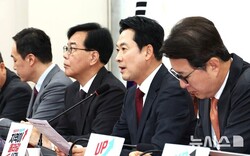
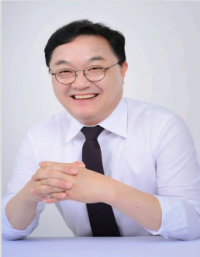
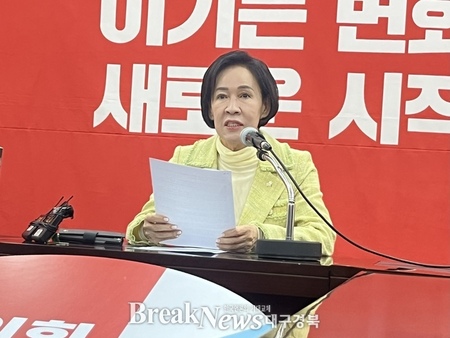
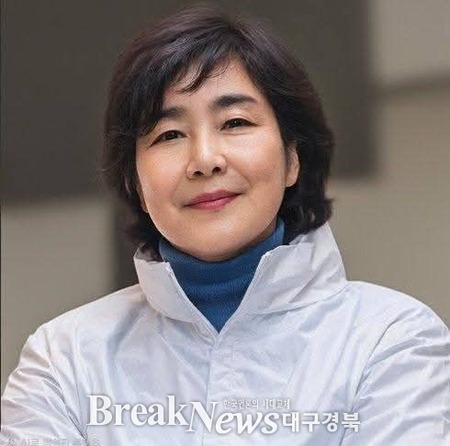
재계의 유명 인사 중 ‘용(用)자형 관상’에 속한 경우는 이건희·정몽구·최태원·신동빈·박정원·구자열 등이다. 한편 연예계의 유명 인사 중 ‘용(用)자형 관상’에 속한 경우는 유재석·이병헌·이정재·송강호·하정우·전도연 등이다. 정계·관계의 유명 인사 중 ‘용(用)자형 관상’에 속한 경우는 이명박·박정희·유승민·김문수·김동연·김황식·이헌재·윤증현 등을 들 수 있다.
이상에서 살펴본 "사진·이미지·영상을 통한 단순한 글자 유형의 관상"이나 또 "얼굴·생김새·면부(面部)·안면(顔面)을 단순한 동물(動物)·금수(禽形)·물형(物形)에 비유한 관상“만으로는 대강(大綱)을 살피는 것이지 당사자의 미래와 운세의 흐름을 적중시키기에는 한계가 있다.
그러함의 이유는 실제 대면(對面) 관상을 통해 당사자의 "안광(眼光)·안청(眼睛)·시선(視線)·기세(氣勢)·아우라(Aura)·기색(氣色)·체취(體臭)·체격(體格)·보행(步行)·음성(音聲)"과 함께 관상을 보는 시점에 당사자의 "찰색(察色)에 깃든 서조(瑞兆)·흉조(凶兆)" 등을 다면·입체적으로 살필 수가 없고, 또 지연의 일조(日照)가 아닌 조명(照明)의 유무에 따라 차이가 나기 때문이다. 그래서 단순히 사진·이미지·영상만을 기준으로 관상을 보고 단정적으로 예단하는 건 바람직하지 않다.
한편 ‘용(用)자형 관상’에 속하는 사람의 운세의 흐름과 길흉화복 그리고 운(運)이 닫히거나 막히는 경우 돌파하는 방편으로 운(運)을 열리게 하는 개운(開運)에 대해서는 다음 차회(次回)의 칼럼에서 다루기로 한다.
□글/노병한:박사/한국미래예측연구소(소장)/노병한박사철학원(원장)/자연사상칼럼니스트/인생상담사.
*아래는 위 기사를 '구글 번역'으로 번역한 영문 기사의 [전문]입니다. '구글번역'은 이해도 높이기를 위해 노력하고 있습니다. 영문 번역에 오류가 있을 수 있음을 전제로 합니다.<*The following is [the full text] of the English article translated by 'Google Translate'. 'Google Translate' is working hard to improve understanding. It is assumed that there may be errors in the English translation.>
Kim Dong-yeon and Yoo Seung-min, "Yong (用)-Type Physiognomy" Emphasizes "Ability, Practicality, and Achievement"
- Noh Byeong-han, Four Pillars of Destiny and Feng Shui Columnist
[Noh Byeong-han's Physiognomy and Column] There are ten representative types of physiognomy based on the shapes of letters: "Gap (甲)", "Yu (由)", "Sin (申)", "Jeon (田)", "Dong (同)", "Wang (王)", "Won (圓)", "Mok (目)", "Yong (用)", and "Pung (風)". Today, let's examine the characteristics of the Yong (用)-type and Yong (用)-type facial features.
This type of face reading, the Yongja-type (用字形), has a unique character distinct from the previously discussed 甲, 由, 申, 田, 同, 王, 圓, and 目. It is important to observe it based on the key words "ability, practicality, and achievement." The Yongja-type face reading refers to a face with an untidy, slanted, or crooked appearance.
However, if the eyebrows and eyes are not pure but rather mixed, creating a messy and chaotic appearance, a crooked nose, or a crooked mouth, this type of face reading indicates a period of separation or bankruptcy followed by a return to form, a resurgence, and a resurgence.
If both men and women have a face shape like the "용" (用) character, they can be likened to a widower, widow, orphan, or an elderly person living alone, lonely and helpless, or to having a "사궁" (死宮) in their spouse's palace.
Let's examine the facial features of a "용" (用) character. The Yongja-type (用字形) face is characterized by a crooked face on one side, uneven bone structure, a crooked forehead, misaligned eyebrows and eyes, a crooked nose, different heights between the ears, and a crooked chin. These features are characterized by an imbalance in the facial contours and the five senses (oguan)—the eyes, nose, mouth, ears, and eyebrows.
© No Byeong-han, Saju Feng Shui Columnist
The Yongja-type (用字形) face may seem similar at first glance to the "Dong" (同) face, but the "Dong" (同) face is straight, while the "Yong" (用) face has a prominent, lopsided jawbone, creating a disharmonious and uneven appearance.
The "Yong" (用)-shaped face resembles the Chinese character for "用" (用), with the entire face elongated vertically and concave in the middle, resembling the Chinese character for "用." The forehead and chin are relatively distinct, and the cheekbones and cheeks are slightly indented, creating an impression of heightened verticality.
The "Yong" (用)-shaped face has eyes that convey a practical and cool-headed impression. The mouth appears tightly closed, revealing a strong sense of determination. The nose is deep-rooted and straight, and the muscles surrounding the mouth are tightly tightened, suggesting a capacity for execution and concentration.
The "Yong" (用)-shaped face is characterized by a structural and functional harmony, with no disarray in the overall facial lines. The characteristics of political figures with this "Yong" (用)-shaped face typically show a strong vertical energy flow, with the chin, lower jaw, and lower legs pointed and focused in the center of the face.
This "Yong (用)" type of face has an unstable personality, tends to be somewhat restrained in expressing their emotions, and possesses a peculiar and unusual disposition. Therefore, the "Yong (用)" type is a pragmatic and doer who prioritizes realistic values and results over ideals or emotions. They tend to focus on what can be done right now rather than on plans and act accordingly.
The "Yong (用)" type has a strong sense of responsibility, strives to maintain cool-headed and objective judgment, and possesses outstanding completion and execution skills to see a given task through to completion. However, because the "Yong (用)" type prioritizes utility and results, they can be cynical toward inefficient or unrealistic plans.
Let's examine the strengths and advantages of the "Yong (用)" type. The "Yong (用)" type thinks primarily through execution and results, so they act faster than they speak and produce concrete results. Their pragmatic and judgmental nature allows them to prioritize practicality over ideals, reducing the likelihood of failure.
The "用" (用) character type possesses a strong sense of responsibility and reliability, ensuring they complete assigned tasks and earning the trust of their organization. Their adaptability and application skills allow them to leverage existing resources to develop novel solutions even in changing situations.
The "用" character type shines brightest when put to practical use, centered on practicality and execution. These individuals, who demonstrate their capabilities within organizations and structures, experience significant opportunities for growth and enjoy stable achievements throughout their lives.
Let's examine the weaknesses and shortcomings of the "用" character type. Excessive realism can lead to a lack of visionary and philosophical thinking. Their overemphasis on efficiency can lead them to neglect human emotions and relationships. They can also exhibit a cynical and uncooperative attitude toward underperforming individuals or disorganized organizations. Consequently, the "用" character type has the potential to become obsessed with short-term results over long-term strategy, a weakness that can lead to a preoccupation with short-term performance.
▲ Fortune-telling characteristics of the "Yong (用)" character type and examples of political and government figures © Noh Byeong-han, Feng Shui columnist
Let's examine the career paths and occupations of those with the "Yong (用)" character type. Because this "Yong (用)" character type possesses a strength in choosing practicality over ideals, it can excel in fields requiring function, practice, operations, and management.
Therefore, the "Yong (用)" character type is well-suited for practical roles in government and corporate organizations, such as administration, planning, operations, and finance. It also excels in roles requiring specialized skills or management abilities, such as engineers, strategic planners, and administrative officials, as well as chief operating officers (PMs and COOs) who execute and complete projects.
Meanwhile, people with the "용" (用) face shape, characterized by a more developed chin, lower jaw, and lower legs compared to their forehead, tend to be entrepreneurs, foresters, miners, explorers, and landscaping professionals. However, those with the "용" (用) face shape tend to have slightly distorted facial features in these areas, which often lead to a recovery and success after a period of failure.
Let's look at the fortunes of the "용" (用) face shape in their early, middle, and later years. The early years of the "용" face shape (ages 0 to around 30) are a time when seeds take root and early personality, interpersonal relationships, and habits take root. Therefore, individuals with the "용" (用) character in their early years tend to have limited opportunities relative to their abilities, leading to a difficult and challenging period despite their high potential. However, individuals with the "용" (用) character in their early years, characterized by a robust physique and radiant skin, are more likely to maintain good fortune before age 20 and maintain a balanced state of consciousness, leading to favorable early fortunes.
The "용" (用) character in their midlife fortunes (ages 30-55, around 60) is a pivotal period in life, a time when personal effort, ability, and choices significantly influence one's destiny. "용" (用) character in their midlife fortunes lays a solid foundation through diligence and consistency, and from around the age of 30, opportunities for advancement gradually open up. This marks the prime of life, a time when talent and resources combine to achieve the greatest results.
Therefore, the "용(用)" (用)-shaped face signifies a person's midlife fortune, where they will play a key role or be responsible for executing important projects, organizational operations, and national policies. They will naturally gain recognition and exercise leadership. In short, this face signifies a structure where power and resources are leveraged to achieve results after middle age.
The "용(用)-shaped face signifies a person's later years (after age 55 or 60) and represents a period of fruition and harvest, where the fruits of their labor from early and middle life are revealed. Because this is a time when the fruits and virtues of their previous lives return, the fate of their later years can hinge on the relationships and virtues built in early and middle life. At the same time, retirement, children, retirement assets, and health are key issues.
Therefore, this is a time when, based on experience and expertise, they transition to advisory, supervisory, and advisory roles. This face signifies a person's continued influence as an advisor to younger generations and the next generation of the organization. Maintaining a realistic foundation allows for a stable later life and financial fortunes.
Let's examine the health and longevity of those with the "用" (用) character face. This "用" character face signifies strong physical strength and excellent resilience, leading to an above-average lifespan. Those with the "用" character face need to pay attention to their liver and kidney systems. They are more likely to accumulate chronic fatigue due to overwork, so stress management is crucial due to their work-oriented lifestyle. Neglecting this can negatively impact health in middle age and beyond, so caution is advised.
The lower part of the face, the chin, lower mandible, and lower leg, are areas that can be used to gauge fortunes in later life, such as successor fortunes, subordinate fortunes, and health in later years. However, those with the "用" character face but whose chin and lower mandible are misaligned tend to have weak bladder function, difficulty urinating, and frequent back pain, spinal pain, and headaches.
This is the "Yong (用)" face type. Frequent redness around the chin and lower jaw indicates a weak kidney and bladder system. For women, this suggests they may suffer from uterine-related diseases.
▲ Conceptual diagram and image of the "Yong (用)" face type: Lee Myung-bak, Park Chung-hee, and Yoo Seung-min © Noh Byeong-han, Feng Shui columnist
Celebrities with the "Yong (用)" face type include Lee Kun-hee, Chung Mong-koo, Choi Tae-won, Shin Dong-bin, Park Jeong-won, and Koo Ja-yeol. Meanwhile, celebrities with the "Yong (用)" face type include Yoo Jae-suk, Lee Byung-hun, Lee Jung-jae, Song Kang-ho, Ha Jung-woo, and Jeon Do-yeon. Among prominent figures in politics and government, those who fall into the "Yong" (用) type of physiognomy include Lee Myung-bak, Park Chung-hee, Yoo Seung-min, Kim Moon-soo, Kim Dong-yeon, Kim Hwang-sik, Lee Heon-jae, and Yoon Jeung-hyun.
As discussed above, "simple character-based physiognomy using photos, images, and videos" or "physiognomy that compares the face, appearance, and facial features to simple animals, beasts, or objects" only provide a general overview, and are limited in accurately predicting the subject's future and fortune.
This is because, when reading a face-to-face, it is impossible to comprehensively and three-dimensionally examine the subject's "good and bad omens contained in the observed appearance" along with their "eyesight, eyesight, gaze, spirit, aura, color, body odor, physique, gait, and voice" through actual face-to-face readings. Furthermore, differences can arise depending on the presence or absence of lighting, not sunlight. Therefore, it is not advisable to make definitive predictions based solely on photographs, images, or videos. Meanwhile, the flow of fortune, fortunes, and misfortunes of people with the "Yong" (用) character physiognomy, as well as the method of opening fortunes (運) by overcoming blocked or closed fortunes, will be discussed in the next column.
nbh1010@naver.com
□Written by/Noh Byeong-han: Ph.D./Korea Future Forecasting Institute (Director)/Noh Byeong-han Ph.D. Philosophy Institute (Director)/Natural Thought Columnist/Life Counselor.