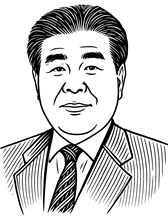
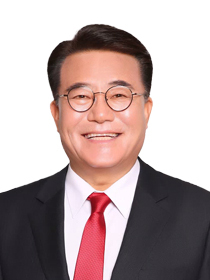
▲ 정길선 박사 ©브레이크뉴스 |
현재 라틴아메리카 칠레에서 총선과 대선이 진행 중이다. 지난 칠레의 대통령은 가브리엘 보리치(Gabriel Boric)로 좌파 성향을 가진 인물이다. 4년 전 대선에서는 코로나 팬데믹 이후에 나타난 경기 침체와 전임인 세바스티안 피녜라(Sebastián Piñera) 대통령의 실정에 대한 국민적인 피로가 가중되었고, 대규모 청년층의 정치 참여가 맞물려 좌파 성향의 가브리엘 보리치가 돌풍을 일으켜 대통령에 당선되었다. 당시 보리치는 사회적 불평등 해소, 젠더 개혁, 소외 계층의 기본 생활 보장 등을 핵심 과제로 내세우며, 칠레 사회 곳곳에 남아 있는 가부장적인 구조를 근본적으로 바꾸겠다고 했지만 가장 큰 문제는 칠레 내의 빈부격차를 줄이고, 심화된 인플레이션을 해결하면서 청년 실업율을 줄이는 일이었다. 2019년에 대규모 반정부 시위 이후에 경제적, 사회적 변화 요구가 칠레 사회 전체로 확산되는 분위기 속에서, 보리치는 젊은 진보 정치인으로 기대를 모았다. 보리치는 1986년 생으로 나이도 젊고 가능성이 무한한 정치인으로 인식되었었다.
그러나 집권 2년 차에 접어든 2023년부터 보리치 정권을 급속히 악화되기 시작했다. 보리치의 지지율은 꾸준히 하락해 다수의 조사에서 20%대 후반까자 떨어졌으며, 어떤 조사에서는 20% 초반까지 내려앉기도 했다. 그리고 부정평가는 60%를 넘겼고, 초기 핵심 지지층으로 나타났던 Z세대, 도시 중산층, 고학력층까지 모두 보리치 정권에 등을 돌리는 현상이 나타났다. 특히 인플레이션 해결에 실패했고, 칠레 원주민과의 갈등을 심화시켰으며 장관들의 부패가 극심함에도 불구하고 이에 대한 미흡한 조치가 국민들을 실망시켰기 때문이다. 경기 회복 지연, 치안 악화, 개혁 과제의 난항 등 구조적 요인들이 복합적으로 작용했다는 분석이 많은데 특히 칠레 내 극심한 빈부격차와 심각한 인플레이션으로 인해 가난의 빈도가 높아가는 서민들에게 한 라디오에서 인터뷰 하기를 "칠레 사회의 구조적인 불평등 문제가 정부의 직접적인 이체(현금성 지원)만으로 해결되기를 기대해서는 안 된다. 오늘의 빵이 내일의 배고픔이 되기 때문입니다.(No podemos esperar que la desigualdad estructural de la sociedad chilena se resuelva únicamente mediante transferencias directas del gobierno (asistencia económica). El pan de hoy se convierte en el hambre de mañana.)"라고 언급하여 논란을 불을 붙였다.
2022년 국민투표에서 보리치 정부와 좌파가 주도해 작성한 새로운 헌법 초안은 62% 가까운 반대로 인해 부결되었고, 이 사건으로 인해 보리치 정부의 정치적으로 끌고 갈 수 있는 동력을 약화시켰다는 평가를 받았다. 사회 정의, 인권, 환경, 페미니즘에 집중하는 밀레니얼 세대의 좌파 대통령의 한계가 뚜렷하다는 지적이다. 그는 주요 산업과 여러 부문의 사회화를 지지하고 있는 인물로 영국의 의료보험과 같은 보편적 공공의료시스템을 구축하는 것을 비롯해 칠레 최대의 산업인 광산업에 대해 정부의 관리를 강화했다. 특히 리튬 추출 기업에 대한 세금 인상을 장려했지만 국민들의 생활은 여전히 나아지지 않았다. 그의 이러한 정치적인 행보는 진보적인 요소가 지나치게 많다는 비판적인 여론이 주를 이룬다. 그리고 이는 정권 전체에 대한 신뢰성의 추락으로 이어졌다. 옆의 아르헨티나의 밀레이 정권과 사뭇 대조적인 정책으로 인해 사실상 사회주의 정치성향이 지배하고 있는 칠레로써는 뭔가 변화가 필요한 시점이다. 이후 정부는 진보적 개헌 논의를 사실상 중단하고 온건 및 중도 성향의 내각으로 재편했지만, 이는 오히려 진보층의 표심 이탈로 이어졌다.
보리치가 집권하고 있을 시기의 의회 환경 역시 보리치가 일을 하는데 있어 쉽지 않았던 것이 당시 칠레 의회는 상원에서 보수 야권이 절대적인 우위를 점하고 있었다. 특히 보리치 정부가 추진한 GDP 3.6% 규모의 조세 개혁 안의 경우, 상원에서 모두 제동이 걸려 입법화되지 못했다. 그럼에도 불구하고 노동 정책에 있어서 주당 노동시간을 45시간에서 40시간으로 줄이는 등 성과를 남겼고 이는 그가 대통령이 되기 전에 공약한 40시간 근무제를 이룬 셈이 되었다. 그런데 가장 큰 문제는 보리치가 여성 문제에 대한 관심이 특히 지대했다는 것이다. 보리치는 열렬한 페미니스트로 알려져 있다. 그는 대기업에 대해 노동이사제와 여성 이사 할당제를 지지했고, 낙태권 지지, 여성부 강화, 차별적이지 않은 성교육 실시, 젠더폭력 근절을 위한 통합적 법률 제정, 돌봄노동에 대한 국가의 책임, 여성 일자리 50만 개를 창출을 공약했으며 이는 대선 결선에서 20대 여성들의 압도적 지지를 받았다. 그리고 성소수자와 관련해서는 제3의 성을 법적으로 인정했다. 그런데 문제는 칠레의 경기가 이전의 피녜라 정권보다 훨씬 더 최악으로 달리고 있다는 것이다. 팬데믹 기간에 피녜라 정권이 대규모 현금지원을 하는 바람에 그 여파로 인해 인플레이션이 폭등했다.
따라서 칠레 중앙은행은 기준금리를 11.25%까지 올리는 초강력 긴축 정책을 단행했다. 물가 상승률은 4%대로 유지시키는데는 성공했지만, 고금리와 긴축 재정은 성장세를 크게 둔화시키면서 팬데믹이 지나 어느 정도 올라왔던 경제력이 다시 급속히 추락했다. 2021년 11%에 이르던 성장률은 급속히 떨어졌고, 이는 민심 이반으로 직결되었다. 특히 경제보다 여성을 비롯한 성 관련 사회 문제에 관심을 가지면서 칠레 국민들의 지지도가 최악으로 치닫게 된다. 보리치 최측근 장관의 비리 의혹까지 겹치면서 대통령 지지율은 20%대로 고착됐다. 게다가 살바도르 아옌데(Salvador Allende, 1908~1973) 전 대통령의 생가를 매입해 박물관으로 만들려고 시행했지만 매입과정에서 생긴 부패 문제로 인해 장관 9명이 통째로 교체되기에 이르렀다. 설상가상으로 정국 혼란을 더 부추긴 것은 이민이 급격히 늘어났기 때문이다. 특히 남미 인근 국가들, 페루나 볼리비아, 아르헨티나 등에서 정치 및 경제 불안이 겹쳐 칠레로 유입되는 이민자들이 늘어났으며 이와 같은 과정에서 불법 이민과 관련된 치안 문제로 큰 사회 문제로 대두되었다. 특히 콜롬비아 일대에서 구스타보 정권이 마약 카르텔들에 대한 전쟁을 포고한 이후, 콜롬비아의 마약 카르텔들은 칠레로 상당수 이주한 상태다.
보리치 정부는 비상사태를 선포하고 치안 예산을 증액했지만 범죄 집단과 치안 문제에 대해 매우 미온적으로 대응한다는 혹평이 잇달으면서 이민 정책에 대한 강경화를 주장하는 우파 세력이 반사 이익을 얻기 시작했다. 이와 같은 이민 문제는 2025년 대선의 핵심 의제로 떠오르게 된 것이고, 여기에 범죄와 치안, 실업 문제 등과 연결되면서 사회적 불안 상태의 중심에 놓이게 되었다. 이 때 꾸준히 인기를 얻기 시작한 인물이 우파 성향의 호세 안토니오 카스트(José Antonio Kast)이다. 그는 피노체트 정권의 부활을 꿈꾸던, 피노체트의 엄연한 후계자임으로 자처하는 인물로 "칠레의 트럼프"라고 부른다. 카스트는 4년 전 대선에서 보리치를 상대로 최종결선까지 갔던 후보다. 그가 이끄는 공화당은 불만 여론을 흡수하며 빠르게 세력을 확장해갔다. 우선 2023년 5월 치러진 제2차 제헌의회 선거에서 공화당은 약 34%의 득표와 23석을 확보해 제1 야당이 되었고, 칠레 우파 진영 전체 의석의 과반을 차지했다. 카스트는 이를 인기 없는 보리치 정권을 규탄하는 국민들의 뜻이라 해석하여 2025년 대선에서 가장 강력한 야권의 대선 주자로 부상했다. 동시에 독립민주연합(Unión Demócrata Independiente)의 에벨린 마테이(Evelyn Matthei) 역시 지지율을 끌어올리며 우파의 또 다른 중심 축으로 부상했다.
이런 가운데 칠레의 헌법상 대통령직 연임은 금지되어 있기 때문에 2025년 대통령 선거에는 보리치 정권 내 노동부 장관을 지냈던 히아네트 하라(Jeannette Jara)에게 후보 자리를 내주고 보리치는 퇴임을 앞두게 되었다. 이어 지난 주, 11월 16일 1차 선거에서 히아네트 하라가 26.85%의 득표율을 기록했지만 카스트 또한 23.92%의 득표율을 보이며 접전을 기록했기 때문에 2차 투표로 넘어가게 되었고, 12월 14일에 최종 2차 대선이 이어진다. 칠레 공산당(Partido Comunista de Chile) 소속인 히아네트 하라는 예상 밖의 선전을 기록하며 1위를 기록했지만 2위부터 5위까지 모두 우파 후보들이고, 이 4명이 전부 두 자리수를 득표해 아직은 어떻게 될지 장담할 수가 없다. 특히 우파들을 나누어 지지했던 표심들이 2차 대선에서 카스트 후보로 집중하여 모여질 가능성이 매우 높다. 게다가 극우 성향으로 4위 요하네스 카이저(Johannes Kaiser) 후보는 돌풍을 일으켰지만 낙선했고, 5위를 차지한 에벨린 마테이 후보도 낙선 확정 이후 2차 대선에서 카스트 후보를 지지하겠다고 연달아 밝히면서 히아네트 하라는 매우 불리한 상태에 있다.
지금 같은 상황으로 별다른 스캔들이 터지지 않은 이상 안토니오 카스트가 대통령으로 당선될 가능성이 매우 높아보이며 카스트는 스스로 BRICS 가입을 공언했던만큼 칠레는 이전 사회주의 정권과는 완전히 다른 형태로 진입하게 될 가능성이 커지고 있다. 안토니오 카스트가 대통령이 되어 브라질, 인도, 중국, 러시아, 남아공 등의 동의를 얻어 BRICS에 가입하게 된다면 BRICS 가입을 철회한 아르헨티나의 경우, 고립 상태에 빠지게 된다. 남미의 경우, 브라질과 칠레가 남미 경제를 끌고 갈 가능성이 있는 것이다. 아르헨티나 밀레이 정부의 입장에서는 히아네트 하라(Jeannette Jara)가 대통령에 당선되길 바라고 있다. 칠레는 누가 대통령이 되느냐에 따라, 남미의 정치, 경제 판도가 뒤바뀔 수 있다. 문제는 안토니오 카스트의 치명적인 문제는 부친인 미하엘 카스트(Michael Kast)가 나치 장교 출신이라는 것에 있는데 이는 그다지 중요한 부분이 아니다. 그가 나치 출신이든 뭐든, 칠레 경제가 그의 손에 부활될 수 있다면 출신 성분은 그다지 중요하지 않다는 것이 칠레 현지의 반응이라 한다. 12월 14일에 있을 2차 대선의 결과가 궁금해진다.
*필자/ 정길선.
노바토포스 회원, 역사학자, 고고인류학자, 칼럼니스트, 러시아 과학아카데미 유라시아 고고인류학연구소 연구교수.
*아래는 위 기사를 '구글 번역'으로 번역한 영문 기사의 [전문]입니다. '구글번역'은 이해도 높이기를 위해 노력하고 있습니다. 영문 번역에 오류가 있을 수 있음을 전제로 합니다.<*The following is [the full text] of the English article translated by 'Google Translate'. 'Google Translate' is working hard to improve understanding. It is assumed that there may be errors in the English translation.>
Chile's Presidential and General Elections: A Key Election in Latin America
Columnist Gil-seon Jeong
Chile, a Latin American country, is currently holding general and presidential elections. The previous Chilean president, Gabriel Boric, was a leftist. Four years ago, the economic downturn following the COVID-19 pandemic, growing public fatigue over the mismanagement of his predecessor, Sebastián Piñera, and the massive political participation of young people combined to create a sensational victory for the leftist Gabriel Boric. At the time, Boric pledged to fundamentally transform the patriarchal structures lingering throughout Chilean society, prioritizing the reduction of social inequality, gender reform, and ensuring basic livelihoods for the marginalized. However, his biggest challenge was narrowing the gap between rich and poor, addressing rising inflation, and reducing youth unemployment. Following the massive anti-government protests of 2019, amidst widespread calls for economic and social change throughout Chilean society, Boric garnered significant attention as a young, progressive politician. Born in 1986, Boric was perceived as a young politician with boundless potential.
However, starting in 2023, just two years into his presidency, the Boric administration began to deteriorate rapidly. His approval rating steadily declined, dropping to the high 20% range in many polls, and even to the low 20% range in some. His disapproval rating exceeded 60%, and even his core supporters, Generation Z, the urban middle class, and the highly educated, began to turn their backs on him. This was due in particular to his failure to address inflation, his deepening conflict with Chile's indigenous population, and his inadequate measures to address rampant corruption among his ministers, which disappointed the public. Many analyses suggest that a complex mix of structural factors, including a delayed economic recovery, worsening public security, and difficulties in implementing reforms, has contributed to the situation. In particular, he ignited controversy when he said in a radio interview, "We cannot expect the structural inequality in Chile to be resolved solely through direct government transfers (cash aid). Today's bread becomes tomorrow's hunger." In a 2022 referendum, the new constitution drafted by the Boric government and the left was rejected by nearly 62% of voters, a fact that was seen as weakening the Boric government's political momentum. This highlights the limitations of a leftist millennial president focused on social justice, human rights, the environment, and feminism. He supports the socialization of key industries and various sectors, and has strengthened government control over the mining industry, Chile's largest industry, including the establishment of a universal public healthcare system similar to the British National Health Service. He has also encouraged tax increases for lithium extraction companies, but this has not improved the lives of Chileans. His political actions have been largely criticized for their excessive progressive elements, leading to a decline in trust in the entire government. Chile, whose policies stand in stark contrast to those of Argentina's Millay government and whose political leanings are effectively socialist, is in dire need of change. The government subsequently effectively halted discussions on progressive constitutional reform and reorganized its cabinet with moderate and centrist leanings. However, this only served to alienate progressive voters.
The parliamentary environment during Boric's tenure was also challenging for Boric. The conservative opposition held an absolute majority in the Chilean Senate. In particular, the Boric government's proposed tax reform, worth 3.6% of GDP, was blocked in the Senate and never passed into law. Nevertheless, Boric achieved significant results in labor policy, including reducing the weekly workweek from 45 to 40 hours, effectively fulfilling his pre-presidency pledge to implement a 40-hour workweek. However, the most significant issue was Boric's intense interest in women's issues. Boric is known as an ardent feminist. He supported a labor-based board system and a quota for female directors at large corporations. He also pledged to support abortion rights, strengthen the Ministry of Gender Equality and Family, implement non-discriminatory sex education, enact comprehensive legislation to eradicate gender-based violence, ensure the state's responsibility for care work, and create 500,000 new jobs for women. These pledges received overwhelming support from women in their 20s in the presidential runoff. Regarding LGBTQ+ issues, he legally recognized a third gender. However, the problem is that Chile's economy is far worse than under the previous Piñera administration. The massive cash handouts provided by the Piñera administration during the pandemic led to a surge in inflation.
In response, the Central Bank of Chile implemented a drastic austerity policy, raising the benchmark interest rate to 11.25%. While inflation was successfully maintained at around 4%, the high interest rates and tight fiscal policy significantly slowed growth, leading to a sharp decline in economic growth that had been somewhat boosted by the pandemic. The growth rate, which had reached 11% in 2021, plummeted, leading to a direct loss of public support. In particular, public support among Chileans plummeted to its lowest point as concerns shifted from the economy to social issues related to women and gender. With allegations of corruption against a close aide to Boric, the president's approval rating remained stagnant at around 20%. Furthermore, corruption arising from the purchase of former President Salvador Allende's (1908-1973) birthplace for conversion into a museum led to the replacement of all nine ministers. To make matters worse, the political turmoil was exacerbated by a sharp increase in immigration. Political and economic instability in neighboring South American countries, particularly Peru, Bolivia, and Argentina, coupled with the influx of immigrants, led to a surge in public safety concerns related to illegal immigration. This, in turn, led to a significant social problem. Especially since the Gustavo regime declared war on drug cartels in Colombia, many Colombian drug cartels have migrated to Chile.
The Boric government declared a state of emergency and increased the security budget, but was criticized for its lukewarm response to criminal groups and security issues. This led to a backlash, with right-wing groups advocating for a hardline approach to immigration reaping the benefits. This immigration issue emerged as a key agenda item in the 2025 presidential election, and its link to crime, security, and unemployment placed it at the center of social unrest. During this period, right-wing figures began to steadily gain popularity, including José Antonio Kast, a self-proclaimed successor to Pinochet, who dreamed of restoring the Pinochet regime. He has been called the "Chilean Trump." Kast was the candidate who defeated Boric in the final round of the presidential election four years ago. His Republican Party quickly expanded its influence by absorbing public discontent. First, in the second Constituent Assembly elections held in May 2023, the Republican Party secured approximately 34% of the vote and 23 seats, becoming the largest opposition party and securing a majority of the total seats in Chile's right-wing bloc. Kast interpreted this as a popular condemnation of the unpopular Boric administration, emerging as the strongest opposition candidate for the 2025 presidential election. At the same time, Evelyn Matthei of the Independent Democratic Union (Unión Demócrata Independiente) also gained support, emerging as another key figure on the right wing.
Meanwhile, due to Chile's constitutional prohibition on consecutive presidential terms, the 2025 presidential election was held by Jeannette Jara, former Labor Minister under Boric, who was about to step down. Then, last week, on November 16th, in the first round, Hiannette Jara won 26.85% of the vote, while Kast won 23.92%, a close race that led to a second round, which will be held on December 14th. While Jara, a member of the Chilean Communist Party (Partido Comunista de Chile), surprisingly won first place, the top five candidates are all right-wing, and all four received double-digit votes, making the outcome uncertain. In particular, it is highly likely that voters who previously supported the right-wing parties will concentrate their support on Kast in the second round. Furthermore, far-right candidate Johannes Kaiser, who came in fourth despite his impressive campaign, lost. Evelyn Mattei, who came in fifth, also repeatedly declared her support for Kast in the second round after her defeat, leaving Jara in a very disadvantaged position.
Unless a major scandal erupts, Antonio Kast appears highly likely to be elected president. Given Kast's commitment to BRICS membership, Chile is likely to enter a completely different era from its previous socialist regime. If Antonio Kast becomes president and secures the agreement of Brazil, India, China, Russia, and South Africa to join BRICS, Argentina, which withdrew from BRICS, will be isolated. In South America, Brazil and Chile could potentially lead the South American economy. The Argentine government is hoping for Jeannette Jara to become president. Chile's political and economic landscape could be turned upside down depending on who becomes president. The problem is that Antonio Kast's fatal flaw is that his father, Michael Kast, was a Nazi officer, but that's not a significant factor. Whether he was a Nazi or not, Chile's The local reaction in Chile is that if the economy can be revived under his control, family background won't matter much. The results of the second presidential election on December 14th are a matter of interest.