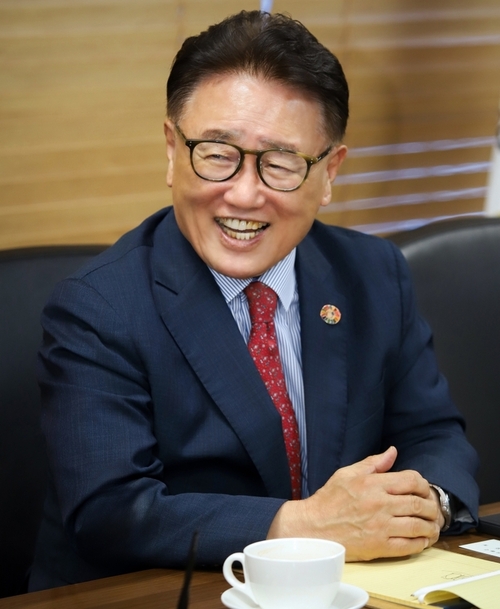
▲ 광양시가 2020년 출생아 수 1,024명을 기록한 이후 5년 만에 다시 연간 출생아 1,000명을 회복했다고 3일 밝혔다. |
전남 광양시는 2020년 출생아 수 1,024명을 기록한 이후 5년 만에 연간 출생아 1,000명을 회복했다고 3일 밝혔다.
광양시에 따르면 올해 11월 말 기준 광양시 출생아 수는 1,038명으로 집계됐고 10월 누적 960명에서 11월 한 달간 78명이 태어나며 1,000명 선을 예상보다 빠르게 넘어섰다.
이번 기록은 전국적인 초저출산 심화 상황 속에서도 특히 주목할 만하다.
전국 229개 시군구 가운데 약 60%가 연간 출생아 수 1,000명을 넘기지 못하고 있으며 상당수 중소도시는 500~900명대에 머무르고 있다. 이러한 가운데 광양시의 출생아 수 반등은 지역 규모 대비 이례적인 성과로 평가된다.
특히 광양시는 11월 누적 출생아 수가 전년 동월 대비 22.7% 증가한 점에 주목했다. 2024년 846명이었던 누적 출생아 수가 올해 같은 기간 192명 늘어난 것으로 이 같은 증가세가 2024~2025년 신설·확대된 임신·출산 지원정책의 효과와 맞물린 것으로 분석했다.
최근 2년 내 신설·확대된 주요 지원사업으로는 ▲임신축하금 100만 원 지급 ▲고령임부 의료비 플러스 지원(최대 50만 원) ▲산후조리비 지원 확대(일반산모 80만 원→100만 원) ▲출생축하금 지급 조건 완화(거주기간 1년→6개월) 등이 있다.
시는 또 난임가정 지원 강화를 위해 ▲난임부부 교통비(시술 차수당 최대 20만 원) 지원 ▲난임 시술비 본인부담금 지원(출산 1회당 최대 25회, 최대 100만 원)을 확대하며 임신 초기부터 출산까지 이어지는 경제적 부담을 실질적으로 낮췄다.
이와함께 지역 산업구조와 정주환경 변화도 출생 증가를 뒷받침한 것으로 분석된다.
실제 광양제철소 및 연관 산업을 중심으로 20~40대 전입 인구가 증가했고 신규 아파트 공급 확대와 정주여건 개선으로 인근 도시 대비 낮은 주거비와 안정적인 생활환경이 조성된 점도 출생 증가의 긍정적 요인으로 작용했다.
황영숙 출생보건과장은 "아이 낳고 키우기 좋은 도시를 만들기 위한 광양시의 노력과 시민·지역사회의 믿음이 함께 이뤄낸 소중한 성과"라며 "2026년 공공산후조리원 개원 등을 통해 출산 친화 도시로서의 흐름을 더욱 공고히 하겠다"고 말했다.
[아래는 구글로 번역한 영문기사 전문입니다. 영문번역에 오류가 있을 수 있음을 전제로 합니다. Below is the full English article translated by Google. It is assumed that there may be errors in the English translation.]
Gwangyang City, South Jeolla Province, announced on the 3rd that it has recovered to over 1,000 annual births for the first time in five years, following a record-breaking 1,024 births in 2020.
According to Gwangyang City, as of the end of November, the number of births in the city reached 1,038. The figure surpassed 1,000 faster than expected, with 78 births in November alone, up from a cumulative 960 in October.
This record is particularly noteworthy amidst the nation's deepening low birth rate.
About 60% of the nation's 229 cities, counties, and districts are failing to surpass 1,000 annual births, with many smaller cities remaining in the 500-900 range. Gwangyang City's rebound in births is considered an exceptional achievement for its size.
Gwangyang City particularly noted a 22.7% increase in the cumulative number of births in November compared to the same month last year. The city analyzed that this increase, which stood at 846 in 2024, increased by 192 during the same period this year. This increase is attributed to the effects of the newly established and expanded pregnancy and childbirth support policies for 2024 and 2025.
Key support programs newly established and expanded in the past two years include: a 1 million won pregnancy congratulatory gift; additional medical expense support for elderly pregnant women (up to 500,000 won); expanded postpartum care support (from 800,000 won to 1 million won for general mothers); and relaxed requirements for the birth congratulatory gift (from 1 year to 6 months of residency).
The city also expanded support for infertile families by providing transportation assistance (up to 200,000 won per procedure) and out-of-pocket expenses for infertile treatment (up to 25 times, up to 1 million won per birth), substantially reducing the financial burden from early pregnancy through childbirth.
Furthermore, changes in the local industrial structure and residential environment are believed to have supported the increase in births. The influx of people in their 20s and 40s, centered around the Gwangyang Steelworks and related industries, has increased. The expanded supply of new apartments and improved residential conditions have also contributed to the increase in births, resulting in lower housing costs and a more stable living environment compared to neighboring cities.
Hwang Young-sook, Director of the Birth and Health Division, stated, "This is a valuable achievement, achieved through Gwangyang City's efforts to create a city conducive to childbirth and childrearing, combined with the trust of its citizens and the local community. We will further solidify Gwangyang's position as a childbirth-friendly city through initiatives such as the opening of a public postpartum care center in 2026."
원본 기사 보기:브레이크뉴스전남동부