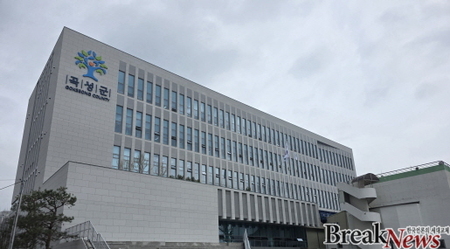
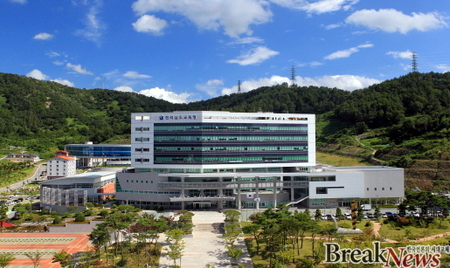
▲ 광양시청 전경 |
전남 광양시는 11일 2026년도 국·도비 6,505억 원(국비 5,469억·도비 1,036억)을 확보했다고 밝혔다.
광양시에 따르면 세계 경기 둔화와 세수 감소 등 어려운 재정 상황에도 전년도 6,029억 원보다 476억 원(7.9%) 증가한 역대 최대 규모의 국·도비를 확보한 것은 마지막까지 국회·중앙부처·전남도를 지속적으로 방문하며 예산 확보에 총력을 기울인 결과다.
특히 당초 정부예산안에는 미반영됐으나 국회 예산심의 과정에서 증액을 이끌어낸 ▲철강·금속 디지털전환(AX) 지원센터 구축 28억 원(총사업비 220억 원) ▲세풍산단 진입도로 개설사업 35억 원(총사업비 380억 원, 기존 18.71억 원에서 증액) ▲광양시 보훈회관 건립사업 2.5억 원(총사업비 52억 원) ▲광양항 동·서측 배후도로 보수공사 9억 원(총사업비 196억 원) 총 4개 사업은 관계부서 공무원들이 ‘유지경성(有志竟成)’의 자세로 국회를 끊임없이 두드린 끝에 얻어낸 대표적 성과로 평가된다.
정부와 전라남도 2026년도 예산에 반영된 주요 사업들은 다음과 같다.
주요 신규 사업 예산은 ▲광양5일시장 주차환경 개선사업 32.8억 원(총사업비 65억 원) ▲전남 광양 제조창업 공유공장(스케일업 실증센터) 구축 설계비 5억 원(총사업비 300억 원) ▲미래 이차전지 원료소재 실증플랫폼 기반 구축 22.8억 원(총사업비 220억 원) ▲백계산 천년동백정원 조성 9.5억 원(총사업비 19억 원) ▲광양시 청소년 문화센터 기능보강사업 4억 원(총사업비 5억 원) ▲용강, 구산 등 3개 중블록 노후상수관망 정비사업 23.5억 원(총사업비 470억 원) ▲옥룡지구 송수관로 신설공사 20.8억 원(총사업비 43억 원) 등을 확보했다.
주요 계속사업 예산으로는 ▲수소도시 조성사업 5억 원(총사업비 400억 원) ▲공립 광양 소재전문 과학관 건립 60억 원(총사업비 400억 원) ▲아트케이션 관광스테이 확충 23.4억 원(총사업비 144억 원) ▲광양 약속의 공간 조성사업 4.5억 원(총사업비 36억 원) ▲광양 힐링 수변길 조성사업 8억 원(총사업비 34억 원) ▲섬진강 속 빛나는 윤동주의 별빛 아일랜드 조성 5억 원(총사업비 145억 원) ▲구봉산 관광단지 진입도로 개설사업 5억 원(총사업비 81억 원) ▲광양읍 미디어아트 관광명소화사업 11.7억 원(총사업비 59억 원) ▲광양 국제미디어아트 페스티벌 3억 원(총사업비 8억 원) ▲광양읍 합강 도시생태축 복원사업 24.8억 원(총사업비 80억 원) ▲광양읍 성황지구 노후 주거지 정비 지원사업 16.8억 원(총사업비 240억 원) ▲취약지역 생활여건 개조사업 4건 16억 원(총사업비 90억 원) ▲섬진강 영호남 복합형 환승공원 조성 22.7억 원(총사업비 180억 원) ▲중동 화물자동차 차고지 조성사업 15억 원(총사업비 142.8억 원) ▲백운유원지 둘레길 조성사업 10억 원(총사업비 100억 원) ▲백운산 산림복지단지 조성사업 20억 원(총사업비 150억 원) 등을 확보했다.
이번 국·도비 확보는 광양항 활성화, 대규모 SOC사업, 이차전지 신산업 육성, 관광 기반 확충, 정주 여건 개선 등 광양시 핵심 사업의 추진력을 크게 높여, 2026년 시정의 안정적 추진을 뒷받침하는 동력이 될 전망이다.
광양시 관계자는 "어려운 재정 여건 속에서도 전 직원이 협력해 확보한 재원은 적재적소에 투입될 예정"이라며 "지역경제 활성화와 시정 운영의 안정성 제고 시민의 삶의 질 향상을 위해 행정 역량을 집중하겠다"고 밝혔다.
[아래는 구글로 번역한 영문기사 전문입니다. 영문번역에 오류가 있을 수 있음을 전제로 합니다. Below is the full English article translated by Google. It is assumed that there may be errors in the English translation.]
Gwangyang City, South Jeolla Province, announced on the 11th that it had secured KRW 650.5 billion in national and provincial funding for 2026 (KRW 546.9 billion from the national government and KRW 103.6 billion from the provincial government).
According to Gwangyang City, despite challenging financial conditions such as the global economic slowdown and declining tax revenue, securing the largest-ever amount of national and provincial funding, a KRW 47.6 billion (7.9%) increase over the previous year's KRW 602.9 billion, is the result of continued, dedicated efforts to securing the budget, including visits to the National Assembly, central government agencies, and South Jeolla Province until the very end.
In particular, four projects that were not initially reflected in the government budget but led to increases during the National Assembly's budget review process: ▲Establishment of the Steel and Metal Digital Transformation (AX) Support Center for KRW 2.8 billion (total project cost of KRW 22 billion); ▲Sepoong Industrial Complex Access Road Construction Project for KRW 3.5 billion (total project cost of KRW 38 billion, increased from KRW 1.871 billion); ▲Construction of the Gwangyang City Veterans' Hall for KRW 250 million (total project cost of KRW 5.2 billion); and ▲Repair of the East and West Hinterland Roads of Gwangyang Port for KRW 900 million (total project cost of KRW 19.6 billion). These projects are considered representative achievements achieved through the tireless efforts of officials from relevant departments, driven by a "Yuji Gyeongseong" (meaning "will achieve" or "enduring success") attitude.
The following are key projects reflected in the government and South Jeolla Province's 2026 budget:
The major new project budgets secured include: ▲ KRW 3.28 billion for the Gwangyang 5-day Market parking environment improvement project (total project cost of KRW 6.5 billion); ▲ KRW 500 million for the design cost of the Gwangyang Manufacturing Startup Shared Factory (Scale-up Demonstration Center) in Jeollanam-do (total project cost of KRW 30 billion); ▲ KRW 2.28 billion for the construction of a demonstration platform for future secondary battery raw materials (total project cost of KRW 22 billion); ▲ KRW 950 million for the creation of the Baekgyesan Millennium Camellia Garden (total project cost of KRW 1.9 billion); ▲ KRW 400 million for the functional reinforcement project for the Gwangyang Youth Cultural Center (total project cost of KRW 500 million); ▲ KRW 2.35 billion for the aging water pipe network maintenance project in three medium-sized blocks, including Yonggang and Gusan (total project cost of KRW 47 billion); ▲ KRW 2.08 billion for the construction of a new water pipeline in the Okryong District (total project cost of KRW 4.3 billion).
The budget for major ongoing projects includes ▲Hydrogen City Development Project 500 million won (total project cost 40 billion won) ▲Construction of a public Gwangyang Materials Specialized Science Museum 6 billion won (total project cost 40 billion won) ▲Expansion of Artcation Tourism Stay 2.34 billion won (total project cost 14.4 billion won) ▲Gwangyang Promise Space Development Project 450 million won (total project cost 3.6 billion won) ▲Gwangyang Healing Waterside Road Development Project 800 million won (total project cost 3.4 billion won) ▲Creation of Yun Dong-ju's Starlight Island shining in the Seomjin River 500 million won (total project cost 14.5 billion won) ▲Gubongsan Tourist Complex Access Road Development Project 500 million won (total project cost 8.1 billion won) ▲Gwangyang-eup Media Art Tourist Attraction Development Project 1.17 billion won (total project cost 5.9 billion won) ▲Gwangyang International Media Art Festival 300 million won (total project cost 800 million won) ▲Gwangyang-eup Hapgang Urban Ecological Axis Restoration Project 2.48 billion won (total project cost of 8 billion won) ▲1.68 billion won (total project cost of 24 billion won) for the Gwangyang-eup Seonghwang District aging residential area maintenance support project ▲1.6 billion won (total project cost of 9 billion won) for four projects to improve living conditions in vulnerable areas ▲2.27 billion won (total project cost of 18 billion won) for the Seomjin River Yeonghonam Complex Transfer Park construction project ▲1.5 billion won (total project cost of 14.28 billion won) for the Jungdong cargo truck garage construction project ▲1 billion won (total project cost of 10 billion won) for the Baekun Recreational Area Perimeter Trail construction project ▲2 billion won (total project cost of 15 billion won) for the Baekun Mountain Forest Welfare Complex construction project were secured.
This securing of national and provincial funding is expected to significantly boost the momentum of Gwangyang City's key projects, including revitalizing Gwangyang Port, large-scale social overhead capital projects, fostering new secondary battery industries, expanding the tourism infrastructure, and improving living conditions. This will serve as a driving force for the stable implementation of city administration in 2026.
A Gwangyang City official stated, "Despite challenging financial conditions, the resources secured through the cooperation of all employees will be deployed where appropriate. We will focus our administrative capabilities on revitalizing the local economy, enhancing the stability of city administration, and enhancing the quality of life for citizens."
원본 기사 보기:브레이크뉴스전남동부