▲ 교원정원제도 개선 © 전국시도교육감협의회 |
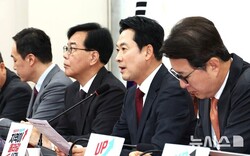
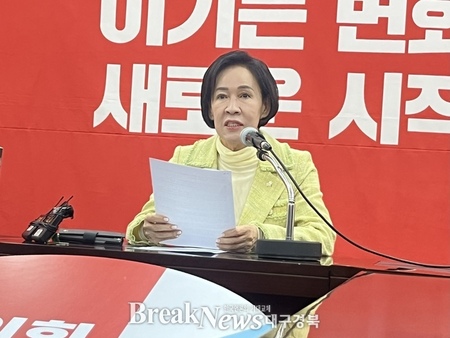
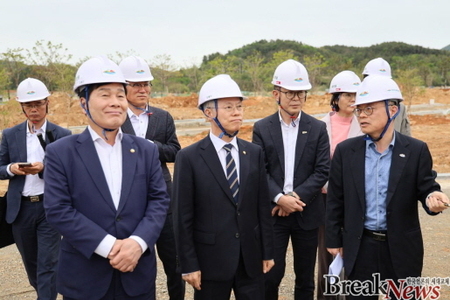
【브레이크뉴스 대구】진예솔 기자=전국시도교육감협의회(회장 강은희 대구시교육감)는 12일 국회도서관 소강당에서 ‘학생 중심 교육 실현을 위한 교원정원제도 개선’ 국회 토론회를 열었다.
이번 토론회에서는 현행 교원정원제도의 구조적 한계를 진단하고, 교육 현장의 다양한 정책적 수요에 대응할 개선 방안이 논의됐다.
이날 행사에는 국회 교육위원회 김문수 의원을 비롯해 전국 17개 시도교육청 교원정원 담당 장학관과 장학사, 교원정책 연구자 등 약 50명이 참석했다.
1부 주제 발표에서는 권순형 한국교육개발원 교육정책네트워크센터 소장이 발제자로 나섰다. 권 소장은 현재 교원정원 산정 방식이 '교사 1인당 학생 수(99%)와 정원효율화 실적(1%)'에 편중되어 있다고 지적했다.
이로 인해 지역별 특성, 학급 단위 교육과정, 다양한 정책 수요가 제대로 반영되지 못한다는 것이다. 권 소장은 독일과 일본의 사례를 참고해 '학급 규모 기준 + 기초정원 + 추가정원' 구조를 소개하며, ▲지역 단위 정원 산정 체계로의 전환 ▲학급당 학생 수를 토대로 한 기초정원 도입(95%) ▲정원효율화 실적 상향(1%→5%) ▲기초학력, AI교육, 고교학점제 등 정책에 대응할 추가정원 신설(5% 이내) 등 총 4가지 입법 방향을 제안했다.
정은하 한국교육개발원 연구위원은 소규모학교, 특수교육, 한국어교육, 디지털교육 등 일곱 가지 주요 교육정책 수요에 대한 실증 분석 결과를 발표했다. 정 연구위원은 학교 운영의 기본 조건을 담보하는 ‘최소필요교원정원제도’ 그리고 국가 정책 수요에 따른 ‘특수정책수요 추가정원제도’ 도입을 주장했다.
이어 진행된 2부 종합토론에서는 전국 시도교육청 현장 담당자들이 각 지역의 과밀학급 문제, 소규모학교 운영, 특수교육, 고교학점제 시행 등에 대한 현장 경험과 의견을 공유했다.
백민기 경기도교육청 장학관은 "경기도 중학교의 과밀학급 비율이 62.2%에 달하며, 중·고교 초과밀 학급은 1,478학급에 이른다"고 밝히며 학급당 학생 수 기준의 정원 개편이 시급하다고 강조했다. 김명수 충북교육청 장학관은 "학생 감소에 따른 자동 감축이 소규모학교의 존립을 위협하고 있다"며 기초정원제 도입의 필요성을 강조했다.
서영오 인천교육청 장학관은 특수교육대상 학생 수가 최근 4년간 31% 증가했으나 교원 확충은 13%에 그쳐 수요를 따라가지 못하고 있다고 지적했다. 또, 법적 정원 확보와 특수학교 확대를 제안했다. 이어 고은영 전남교육청 장학관은 "전남 일반계고의 경우 고교학점제 도입에도 불구하고 2022년 대비 2026년 정원이 9% 줄어들어 과목 선택권이 제한될 우려가 있다"며 교원 확보의 필요성을 설명했다.
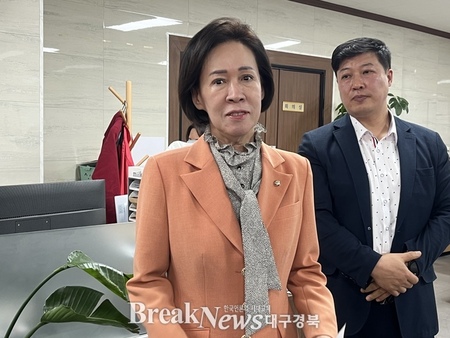
강은희 협의회장은 "교원정원은 비용이 아니라 미래세대를 위한 투자"라고 강조했다. 이어 "학생 수 감소만을 지표로 삼지 말고, 지역과 학교의 교육적 필요를 반영한 새로운 정원제도 마련이 필요하다"며 "기초정원제 도입, 과밀학급 해소, 특수교육 및 고교학점제 지원을 위해 중앙정부와 국회와의 협력을 이어가겠다"고 밝혔다.
<구글 번역으로 번역한 영문 기사의 전문 입니다. 번역에 오류가 있을 수 있음을 밝힙니다.>
The National Council of Metropolitan and Provincial Offices of Education (Chairperson Kang Eun-hee, Daegu Metropolitan Office of Education) held a National Assembly forum on "Improving the Teacher Quota System to Realize Student-Centered Education" in the National Assembly Library auditorium on the 12th.
The forum assessed the structural limitations of the current teacher quota system and discussed improvement measures to address diverse policy needs in the educational field.
Approximately 50 people attended the event, including National Assembly Education Committee member Kim Moon-soo, superintendents and inspectors in charge of teacher quotas from 17 metropolitan and provincial offices of education across the country, and teacher policy researchers.
In the first part of the presentation, Kwon Soon-hyung, Director of the Education Policy Network Center at the Korean Educational Development Institute, presented. Director Kwon pointed out that the current teacher quota calculation method is heavily weighted toward "student-per-teacher ratio (99%) and quota efficiency (1%)."
He argued that this approach fails to adequately reflect regional characteristics, class-level curricula, and diverse policy needs. Drawing on examples from Germany and Japan, Director Kwon introduced the "class size standard + basic quota + additional quota" structure. He proposed four legislative directions: ▲ transitioning to a regional quota system, ▲ introducing a basic quota based on the number of students per class (95%), ▲ increasing quota efficiency (from 1% to 5%), and ▲ establishing additional quotas (up to 5%) to address policies such as basic academic ability, AI education, and the high school credit system.
Jeong Eun-ha, a research fellow at the Korean Educational Development Institute, presented the results of an empirical analysis of seven key educational policy needs, including small-scale schools, special education, Korean language education, and digital education. She advocated for the introduction of a "minimum required teacher quota system" to ensure the basic conditions for school operation, and a "special policy demand additional quota system" based on national policy needs.
The following session, a comprehensive discussion, featured field representatives from provincial and metropolitan offices of education across the country, sharing their experiences and opinions on issues such as overcrowded classes, small-scale school operations, special education, and the implementation of the high school credit system.
Baek Min-ki, Supervisor of the Gyeonggi Provincial Office of Education, stated, "The overcrowding rate in middle schools in Gyeonggi Province reaches 62.2%, and the number of overcrowded classes in middle and high schools reaches 1,478," emphasizing the urgent need for a reform of the student-per-class quota system. Kim Myeong-su, Supervisor of the Chungbuk Office of Education, emphasized the need for a basic quota system, stating, "Automatic reductions due to student declines are threatening the survival of small schools."
Seo Young-oh, Supervisor of the Incheon Office of Education, pointed out that while the number of students eligible for special education has increased by 31% over the past four years, teacher recruitment has only increased by 13%, failing to keep pace with demand. He also proposed securing legal quotas and expanding special education schools. Go Eun-young, Supervisor of the Jeonnam Office of Education, emphasized the need for teacher recruitment, stating, "Despite the introduction of the high school credit system, the quota for general high schools in Jeonnam will decrease by 9% from 2022 to 2026, which could limit subject choices."
Council Chairwoman Kang Eun-hee emphasized, "Teacher quotas are not a cost, but an investment in future generations." She continued, "Rather than solely relying on declining student numbers as an indicator, we need to establish a new quota system that reflects the educational needs of each region and school." She added, "We will continue to work with the central government and the National Assembly to introduce a basic quota system, address overcrowding, and support special education and the high school credit system."
원본 기사 보기:브레이크뉴스 대구경북