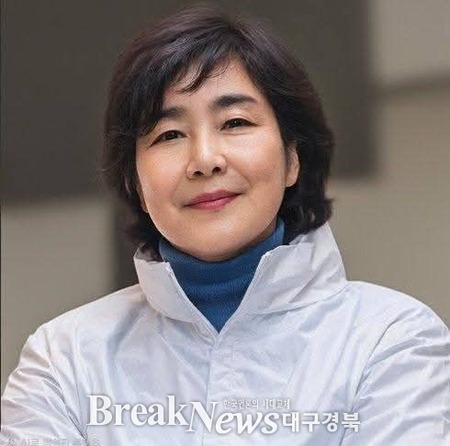
▲ 필자/정길선 박사 ©브레이크뉴스 |
국가 체질을 바꾼다는 것은 쉬운 일이 아니다. 해당 국가와 전통 민족의 기조 질서를 무너뜨리고 재편성해야 하는 부분이기 때문에 기존 질서에 대한 생살을 깎는 비판이 수반되어야 가능하다. 하지만 그런 비판에 대해 받아들이고 겸허히 수용하며 생살을 찢고 뼈를 깎겠다는 각고의 노력이 없다면 결코 바꿀 수 없다. 표트르 대제는 그 체질을 바꾸기 위해 각고의 노력을 했다. 강한 왕권이 있어야 바꿀 수 있기에 정적들과 힘있는 귀족들을 잔인하게 숙청했다. 심지어는 자기 아들도 죽였다. 각고의 노력 끝에 러시아를 바꿔 놓았고 유럽 열강이 되었지만 그 이상은 극복하지 못했다. 그것은 러시아 슬라브 민족의 체질 자체가 바뀌지 않았기 때문이다.
아시아 민족의 DNA를 갖고 있던 슬라브족은 혈통, 문화, 언어 등에서 다양한 아시아 민족의 성질을 가졌다. 다만 언어와 문자를 바꾸는데 성공했을지 몰라도 기존의 아시아스러운 문화와 혈통을 지우고 유럽화되는 것은 표트르 대제 같은 차르가 2명이 더 나왔어야 했다. 물론 예카테리나 여제와 같은 명군이 있었지만 표트르 대제 같은 과감하고 기존 질서 자체를 때려부술 정도의 인물은 아니었다. 표트르 대제에 의해서 상트페테르부르크가 건설되고 유럽화가 진척되었지만 그마저도 슬라브 민족의 전통과 문화, 종교적 영향 등등은 완전히 바꾸지 못했다. 이는 표트르 대제 자체가 권력을 유지하기 위해 슬라브의 민족성도 어느 정도 이용했었기 때문에 그 잔상이 어정쩡하게 남아있었던 것이다.
이후, 러시아는 심각한 정체성의 혼란을 겪게 된다. 러시아는 유럽일까? 아시아일까? 외모나 하는 행동은 유럽화되었지만 문화는 아시아적인 요소를 다수 따르고 있기 때문이다. 그러한 이유 때문에 러시아는 지금도 서구와 아시아, 두 정체성 사이에 어정쩡한 위치에 서있다. 러시아 유럽 같으면서도 아시아스러운 면을 같이 갖고 있는 독특한 문화 유산을 지닌 것도 이러한 이유 때문이다. 해당 나라와 전통 민족의 기조 질서를 무너뜨리고 재편성해야 하는 부분이기 때문에 기존 질서에 대한 생살을 깎는 비판이 수반되어야 가능하다. 하지만 그런 비판에 대해 받아들이고 겸허히 수용하며 생살을 찢고 뼈를 깎겠다는 각고의 노력이 없다면 결코 바꿀 수 없다.
한국사를 보자면 위화도 반란이라는 역사상 가장 정당성과 명분없는 쿠데타를 일으켜 나라를 뒤엎어 세계에서 가장 유래없는 정통성이 떨어진 조선이라는 국가를 만든 이성계는 극단적인 사대주의를 기조로 삼아 유교를 국가의 정신으로 삼고 중화주의의 상징인 공자와 제자백가를 나라 자체의 스승으로 모시고 스스로의 정통성을 만들어갔다. 스스로 중화에 복속된 조선은 이전에 싸워서라도 쟁취했던 고려의 자주성을 송두리째 말살하고 영원한 사대주의의 노예국가로 만들어 오늘까지 그 잔상을 이어오고 있다. 그런 나라에서 몇 차례의 개혁이 있었지만 기본적인 나라 체질 및 기조 자체가 바뀌지 않는 그저 "찻잔 속의 태풍"에 불과했다. 실학이라는 학문도 마찬가지다. 실사구시의 학문이지만 무엇을 위한 실사구시의 학문이었던가?
실학의 기조는 유교, 그 안에서 뭔가 바꿀려고 하는 노력은 무슨 의미가 있었을까? 결국 그 실학은 나라의 주류가 되지 못했다. 결국 조선의 비주류가 된 실학은 더 이상 발전하지 못하고 스스로 도태되어 갔고 결국 조선은 세도정치와 탐관오리들의 발로가 극심하여 아시아 전체에 불어닥치고 있는 변화의 물결을 끝내 외면했다. 그 결과로 나라를 잃었고 이후에는 여러분들이 알고 있는 그대로다. 나라와 전통 민족의 기조 질서를 무너뜨리고 재편성하는, 생살을 찢고 뼈를 깎겠다는 각고의 노력이 아니고서는 본래 창업했던 나라의 기조는 절대로 흔들리지 않는다. 게다가 정통성과 명분이 약했고 불법 쿠데타를 자행하여 불안한 기조 위에 건국된 조선이라는 나라다. 정통성 회복을 위해 조선이라는 나라가 망하지 않는 한, 체질이 변화될리가 있었겠는가? lukybaby7@gmail.com
*필자/ 정길선.
노바토포스 회원, 역사학자, 고고인류학자, 칼럼니스트, 러시아 과학아카데미 유라시아 고고인류학연구소 연구교수.
*아래는 위 기사를 '구글 번역'으로 번역한 영문 기사의 [전문]입니다. '구글번역'은 이해도 높이기를 위해 노력하고 있습니다. 영문 번역에 오류가 있을 수 있음을 전제로 합니다.<*The following is [the full text] of the English article translated by 'Google Translate'. 'Google Translate' is working hard to improve understanding. It is assumed that there may be errors in the English translation.>
The Difficulty of National Reform: A Commonality Across All Nations
- Jeong Gil-seon, Columnist
Changing a nation's constitution is no easy task. It requires the overthrow and reorganization of the fundamental order of the nation and its traditional people, requiring a searing critique of the existing order. However, without the arduous effort to accept and humbly embrace such criticism and to tear it to pieces, change is impossible. Peter the Great strove diligently to change this constitution. Because change requires a strong royal authority, he brutally purged his political opponents and powerful nobles. He even killed his own son. Through his arduous efforts, Russia transformed and became a European power, but he failed to overcome it beyond that. This is because the very nature of the Russian Slavic people remained unchanged.
The Slavic people, possessing Asian DNA, possessed diverse characteristics of Asian peoples in terms of bloodline, culture, and language. While Russia may have succeeded in changing its language and script, erasing its existing Asian culture and lineage and Europeanizing it would have required two more tsars like Peter the Great. Of course, there were great rulers like Catherine the Great, but none as bold as Peter the Great, capable of overturning the existing order. While Peter the Great founded St. Petersburg and furthered Europeanization, he failed to completely transform Slavic traditions, culture, and religious influences. This stemmed from Peter the Great's exploitation of Slavic ethnicity to maintain his power, leaving a vague remnant.
Since then, Russia has suffered a profound identity crisis. Is it European or Asian? While its appearance and behavior have become Europeanized, its culture retains many Asian elements. For this reason, Russia still occupies an ambiguous position between two identities: Western and Asian. This explains Russia's unique cultural heritage, which combines European and Asian elements. Because it requires the overthrow and reorganization of the fundamental order of a nation and its traditional people, it can only be achieved through ruthless criticism of the existing order. However, without the arduous effort to accept and humbly embrace such criticism and to tear it to pieces, change is impossible.
Looking at Korean history, Yi Seong-gye, who overthrew the nation through the Wihwado Rebellion, the most unjustifiable and unjustifiable coup in history, and established Joseon, a nation with the world's lowest legitimacy, adopted extreme servility as the foundation of his ideology. He established Confucianism as the national ethos and revered Confucius and the Hundred Schools of Thought, symbols of Sinocentrism, as the nation's own teachers, forging its own legitimacy. Self-subjugated to China, Joseon completely annihilated the independence Goryeo had previously fought for and enslaved it to perpetual servility, a legacy that persists to this day. While several reforms were undertaken in such a country, they were merely "tempests in a teacup," remaining unchanged in the fundamental constitution and fundamental principles of the nation. The same holds true for the discipline of Silhak (practical learning). It was a discipline of seeking truth from facts, but for what purpose was it a discipline of seeking truth from facts?
Silkhak was founded on Confucianism. What was the point of trying to change something within it? Ultimately, Silhak failed to become the mainstream of the nation. Silhak, which became a minor force in Joseon, could not develop further and was ultimately weeded out. Ultimately, Joseon, plagued by the politics of factions and the corruption of corrupt officials, ultimately turned a blind eye to the wave of change sweeping across Asia. As a result, it lost its nation, and the aftermath is as you know it. Without a rigorous, painstaking effort to tear apart and reorganize the fundamental order of a nation and its traditional people, the fundamental principles of a nation will never be shaken. Furthermore, Joseon was founded on a foundation of instability, born from a weak legitimacy and justification, and an illegal coup d'état. Unless Joseon itself were destroyed to restore legitimacy, how could its constitution have changed? lukybaby7@gmail.com
*Author: Jeong Gil-seon.
Member of Novatopos, historian, paleoanthropologist, columnist, and research professor at the Institute of Eurasian Paleoanthropology of the Russian Academy of Sciences.