▲ ‘2024년 인천 대기질 평가보고서’발간(사진제공:인천시 보건환경연구원) © 박상도 기자 |
(브레이크뉴스인천 박상도 기자) 인천시 보건환경연구원이 24일, 인천 지역의 2024년 대기환경 측정자료와 지역특성 등을 체계적으로 분석한 ‘2024년 인천 대기질 평가보고서’를 발간했다고 밝혔다.
보건환경연구원에 따르면, 이번 대기질 평가보고서는 1년간 수집된 대기환경 자료를 바탕으로 인천의 대기환경 현황과 변화 추세를 진단·평가하는 연간 보고서다.
대기환경 측정망 자료를 비롯해 초미세먼지 성분 분석 등 최신 연구 동향을 반영한 다양한 분석 결과를 담고 있다.
보고서에 따르면, 2024년 주요 대기오염물질의 평균 농도는 초미세먼지(PM-2.5) 19㎍/㎥, 미세먼지(PM-10) 33㎍/㎥, 오존(O3) 0.0339ppm 수준으로 나타났다.
1년 전인 2023년 연평균과 비교하면 (초)미세먼지는 3~8㎍/㎥ 감소했으며, 오존은 0.0009ppm 소폭 증가하는 경향을 보였다.
(초)미세먼지는 2023년과 달리 황사 발생 일수가 크게 줄어들면서 인천시 초미세먼지와 미세먼지의 ‘좋음’ 일수가 2023년 대비 각 37일, 51일 증가했고, 미세먼지 경보 발령도 총 19일 47회로 2023년(39일 97회) 대비 크게 감소하여 먼지 관련 대기질이 전반적으로 개선된 것으로 분석됐다.
반면, 오존의 경우 높은 여름철 평균기온 상승과 일사량 증가, 강수량 감소 등 고농도 오존 생성에 유리한 기상 조건이 형성되면서 주의보 발령이 늘어났다.
2024년 오존주의보 발령은 2023년(13일 27회) 대비 8일 18회 증가한 것으로 나타났다.
이에 따라 보고서는 기후변화와 지구온난화로 인한 오존 농도 증가에 대응하기 위해 고농도 오존 발생 사례를 분석하고, 이를 바탕으로 지역 맞춤형 저감 대책을 함께 제시했다.
대기질 평가보고서는 유관 부서를 비롯해 연구·언론기관 등 약 120개 기관에 책자 형태로 배포한다.
또, 보건환경연구원 환경정보공개시스템에서 시민 누구나 열람할 수 있다.
곽완순 시 보건환경연구원장은 “이번 보고서는 지역 특성에 맞는 대기질 개선 정책 수립과 시민 건강 보호를 위한 과학적 근거로 활용될 것으로 기대된다”며 “앞으로도 신뢰성 높은 대기질 자료 구축과 전문 연구 역량 강화를 통해 시민이 더욱 건강하고 안전한 환경에서 생활할 수 있도록 최선을 다하겠다”고 말했다.
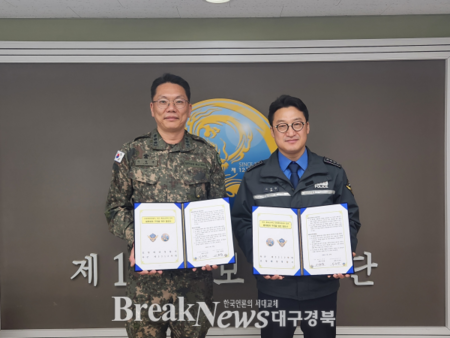
 ▲ 인하대학교와 ‘인천해역 해양환경 공동조사 및 연구협력 업무협약 ’체결(사진제공:인천시 보건환경연구원) © 박상도 기자 |
또한, 인천시 보건환경연구원은 인하대학교와 지난 23일 ‘인천해역 해양환경 공동조사 및 연구협력 업무협약(MOU)’을 체결했다고 밝혔다.
보건환경연구원에 따르면, 이번 협약은 인천 해역의 해양환경 관리와 연구개발 역량을 강화하기 위해 추진된 것으로, 공동 조사·연구와 상호 협력을 통해 해양환경 변화를 선제적으로 파악하고 대응하는 데 목적이 있다.
협약에 따라 양 기관은 ‘연안 퇴적물 지화학 특성 및 해양수리모델 이동 연구’를 공동으로 수행한다.
이를 통해 인천 주요 해역의 퇴적환경변화와 물질 이동 특성을 종합적으로 분석하고, 연구 결과를 해양환경 정책 수립과 관리계획 마련을 위한 과학적 근거자료로 활용할 계획이다.
보건환경연구원과 인하대학교는 이번 협약을 계기로 장기적 데이터베이스 구축 등 지속 가능한 공동연구 기반을 마련하고, 협력 범위를 단계적으로 확대해 나갈 계획이다.
인천시는 해양 중심도시로서 과학 기반의 해양환경 관리체계를 지속적으로 강화하고 있다.
보건환경연구원은 지자체 최초로 해양 미세플라스틱 조사를 수행하는 등 다양한 해양․하천 환경 조사연구를 선도해 왔다.
인하대학교는 경기·인천지역 해양한국발전프로그램(Sea Grant)을 운영하는 거점 대학으로, 해양환경 모델링 분야에서 높은 전문성을 보유하고 있으며 해양수산부 평가에서 3년 연속 최우수 센터로 선정된 바 있다.
곽완순 시 보건환경연구원장은 “이번 협약은 인천 해역의 해양환경을 보다 체계적으로 관리하기 위한 중요한 출발점”이라며, “연안 환경변화에 대한 진단과 과학적 정책 대응 역량을 실질적으로 높이는 계기가 될 것”이라고 말했다.
*아래는 위 기사를 ‘구글 번역’으로 번역한 영문 기사의 [전문]입니다.‘구글번역’은 이해도 높이기를 노력하고 있습니다. 영문 번역에 오류가 있을 수 있음을 전제로 합니다.<*Below is the full text of the English article translated using Google Translate. Google Translate strives to improve comprehension. Please understand that there may be errors in the English translation.>
Incheon Health and Environment Research Institute publishes '2024 Incheon Air Quality Assessment Report' and strengthens research cooperation in Incheon's waters...
-Break News Incheon Park Sang-do Reporter
The Incheon City Health and Environment Research Institute announced on the 24th that it has published the '2024 Incheon Air Quality Assessment Report,' which systematically analyzes the 2024 air quality measurement data and regional characteristics of the Incheon area.
According to the Health and Environment Research Institute, this annual report diagnoses and evaluates the current status and trends of Incheon's air quality based on air quality data collected over the past year.
It contains various analysis results reflecting the latest research trends, including air quality monitoring network data and analysis of ultrafine dust components.
According to the report, the average concentrations of major air pollutants in 2024 were 19㎍/㎥ for ultrafine dust (PM-2.5), 33㎍/㎥ for fine dust (PM-10), and 0.0339ppm for ozone (O3).
Compared to the annual average in 2023, ultrafine dust decreased by 3-8㎍/㎥, while ozone showed a slight increase of 0.0009ppm.
Unlike 2023, the number of days with yellow dust significantly decreased. This led to an increase in the number of "good" days for ultrafine dust and fine dust in Incheon by 37 and 51 days, respectively, compared to 2023. The number of fine dust warnings issued also decreased significantly, from 47 warnings issued over 19 days to 97 warnings issued over 39 days in 2023. This indicates an overall improvement in dust-related air quality.
On the other hand, ozone advisories have increased due to favorable weather conditions for the formation of high concentrations of ozone, including rising average summer temperatures, increased solar radiation, and decreased precipitation.
The number of ozone advisories issued in 2024 increased by 18 over 8 days compared to 2023 (27 over 13 days).
Accordingly, the report analyzes cases of high ozone concentrations to address the rising ozone concentrations caused by climate change and global warming, and proposes tailored reduction measures based on these findings.
The air quality assessment report is distributed in booklet form to approximately 120 organizations, including relevant departments, research institutes, and media outlets.
Furthermore, it is available for public access through the Environmental Information Disclosure System of the National Institute of Environmental Research.
Kwak Wan-soon, Director of the Incheon Metropolitan City Health and Environment Research Institute, said, "This report is expected to serve as scientific evidence for establishing air quality improvement policies tailored to regional characteristics and protecting the health of citizens." He added, "We will continue to do our best to ensure citizens can live in a healthier and safer environment by building reliable air quality data and strengthening our specialized research capabilities."
Furthermore, the Incheon Metropolitan City Health and Environment Research Institute announced that it signed a Memorandum of Understanding (MOU) with Inha University on the 23rd for "Joint Survey and Research Cooperation on the Marine Environment in Incheon Waters."
According to the Health and Environment Research Institute, this agreement aims to strengthen marine environmental management and research and development capabilities in Incheon waters. The goal is to proactively identify and respond to changes in the marine environment through joint surveys, research, and mutual cooperation.
Under the agreement, the two institutions will jointly conduct research on "coastal sediment geochemical characteristics* and ocean hydraulic model migration."
Through this, the researchers plan to comprehensively analyze the sedimentary environmental changes and material transport characteristics of Incheon's major waters and utilize the research results as scientific evidence for establishing marine environmental policies and management plans.
The National Institute of Environmental Research and Inha University plan to establish a sustainable foundation for joint research, including the establishment of a long-term database, through this agreement and to gradually expand the scope of their collaboration.
As a marine-centric city, Incheon City is continuously strengthening its science-based marine environmental management system.
The National Institute of Environmental Research and has been at the forefront of various marine and river environmental research, including conducting the first marine microplastic survey among local governments.
Inha University, a key university operating the Gyeonggi-Incheon Marine Korea Development Program (Sea Grant), possesses strong expertise in marine environmental modeling and has been recognized as a top center for three consecutive years in evaluations by the Ministry of Oceans and Fisheries.
Kwak Wan-sun, director of the Incheon Institute of Environmental Research, said, “This agreement is an important starting point for more systematic management of the marine environment in Incheon waters,” and added, “It will serve as an opportunity to substantially enhance our capacity to diagnose coastal environmental changes and scientifically respond to policy.”
원본 기사 보기:ebreaknews.com