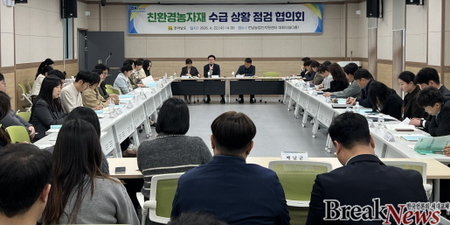
【브레이크뉴스 경주】박희경 기자=주낙영 경주시장은 병오년 새해를 맞아 시청 청사 내 영상회의실에서 국소본부장 회의를 주재하고, 2026년 시정 운영 방향과 부서별 주요 업무 추진 계획을 종합 점검했다.
 ▲ 주낙영 경주시장 병오년 새해 첫 국소본부장 회의 주재 © 경주시 |
이번 회의는 새해 첫 국소본부장 회의로, 국·소·본부장이 참석한 가운데 문화관광, 경제산업, 도시개발, 농축산해양, 복지·안전 등 시정 전 분야의 주요 사업과 현안을 공유하고 실행 전략을 논의하기 위해 마련됐다.
문화관광 분야에서는 해월 최시형 선생 생가터 복원사업과 예술창작소 건립 등 문화기반시설 조성 사업이 중점적으로 보고됐다. 이와 함께 문무대왕릉 성역화 사업, 국가유산 활용·홍보 공모사업 등 경주의 역사·문화자산을 활용한 콘텐츠 확장 계획도 점검됐다. 특히 국가유산청 공모사업 19건이 선정돼 국·도·시비가 투입되는 만큼, 사업 일정 관리와 완성도 확보의 중요성이 강조됐다.
경제산업 분야에서는 공설시장 사용허가 제도 개선 추진 경과와 전통시장 활성화 방안이 논의됐다. 법령에 부합하는 공개 모집과 공정한 계약 체계 정착을 통해 공공성을 강화하는 한편, 기존 상인 보호와 시설 현대화 사업을 병행해 지역 상권 경쟁력을 높인다는 방침이다.
농축산해양 분야에서는 공공비축미곡 매입가격 확정에 따른 농업인 소득 안정 대책이 논의됐으며, 주상절리 전망대, 송대말등대 체험전시관, 오류캠핑장 등 주요 관광·휴양시설의 운영 실적도 공유됐다. 경주시는 콘텐츠 보강과 안정적인 운영을 통해 체류형 관광을 강화할 계획이다.
도시개발 분야에서는 도로, 치수, 상·하수도 등 사회기반시설 사업의 조기 발주 계획이 점검됐다. 경주시는 상반기 중 예산의 70% 이상을 발주하는 것을 목표로 조기발주 추진기획단을 운영하고, 주민 의견을 반영한 설계와 신속한 행정 절차로 사업의 내실화를 도모할 예정이다.
복지 분야에서는 황성 고령자 복지주택 준공을 비롯해 기초생활보장제도 개편, 모바일 장애인등록증 발급 추진 등 달라지는 복지 정책이 보고됐다. 시는 고령자와 취약계층의 주거·생활 안정을 강화하고, 디지털 기반 복지 서비스 확대를 통해 시민 체감도를 높여 나간다는 방침이다.
주낙영 경주시장은 “올해는 APEC 정상회의 이후 경주가 새로운 국면으로 접어드는 중요한 시기”라며 “이제는 계획을 나열하는 단계를 넘어, 실행과 점검을 통해 시민이 체감하는 변화를 만들어야 한다”고 강조했다.
한편 경주시는 이번 회의를 시작으로 연초부터 주요 정책과 대형 사업 추진 상황을 체계적으로 점검하며, 포스트 APEC 시대를 대비한 시정 운영과 중장기 전략 과제를 본격적으로 추진할 계획이다.
<구글 번역으로 번역한 영문 기사의 전문 입니다. 번역에 오류가 있을 수 있음을 밝힙니다.>
Gyeongju Mayor Joo Nak-young Presides Over the First Meeting of Regional Headquarters Directors of the New Year… Reviewing the 2026 City Administration Direction
Gyeongju Mayor Joo Nak-young presided over a meeting of regional headquarters directors in the video conference room of City Hall to mark the New Year of the Ox. He comprehensively reviewed the city administration's direction for 2026 and key departmental action plans.
This meeting, the first of its kind in the new year, was organized to share key projects and pending issues across all areas of city administration, including culture and tourism, economy and industry, urban development, agriculture, livestock, and marine affairs, and welfare and safety, and to discuss implementation strategies.
In the area of culture and tourism, key reports were given on cultural infrastructure development projects, including the restoration of the birthplace of Haewol Choi Si-hyeong and the establishment of an art studio. Furthermore, the meeting reviewed plans to expand content utilizing Gyeongju's historical and cultural assets, including the project to transform the tomb of King Munmu into a sacred site and a national heritage utilization and promotion contest. In particular, with 19 National Heritage Administration public offering projects selected and involving national, provincial, and municipal funds, the importance of project schedule management and ensuring completion was emphasized.
In the economic and industrial sector, the progress of efforts to improve the public market use permit system and measures to revitalize traditional markets were discussed. The plan is to strengthen publicness through legally compliant open recruitment and the establishment of a fair contracting system, while simultaneously protecting existing merchants and modernizing facilities to enhance the competitiveness of local commercial districts.
In the agricultural, livestock, and marine sectors, measures to stabilize farmers' income following the determination of the purchase price for public rice reserves were discussed. The operational performance of major tourism and leisure facilities, such as the Columnar Joint Observatory, Songdaemal Lighthouse Experience Exhibition Hall, and Oryu Campground, was also shared. Gyeongju City plans to strengthen residential tourism by enhancing content and ensuring stable operation.
In the urban development sector, the early procurement plans for social infrastructure projects such as roads, flood control, water supply, and sewerage were reviewed. Gyeongju City plans to operate an early procurement planning team, aiming to place orders for more than 70% of the budget within the first half of the year. The city will strive to ensure the project's effectiveness through designs that reflect resident feedback and expedite administrative procedures.
In the welfare sector, changes to welfare policies were reported, including the completion of the Hwangseong Senior Welfare Housing, the reform of the Basic Livelihood Security System, and the issuance of mobile disability registration cards. The city plans to strengthen the housing and living stability of seniors and vulnerable groups and expand digital-based welfare services to enhance citizen engagement.
Gyeongju Mayor Joo Nak-young emphasized, "This year marks a critical period for Gyeongju as it enters a new phase following the APEC Summit. We must now move beyond simply listing plans and create tangible changes for citizens through implementation and monitoring."
Meanwhile, starting with this meeting, Gyeongju City plans to systematically review the progress of key policies and large-scale projects from the beginning of the year. It will also actively pursue municipal administration and mid- to long-term strategic tasks in preparation for the post-APEC era.
원본 기사 보기:브레이크뉴스 대구경북