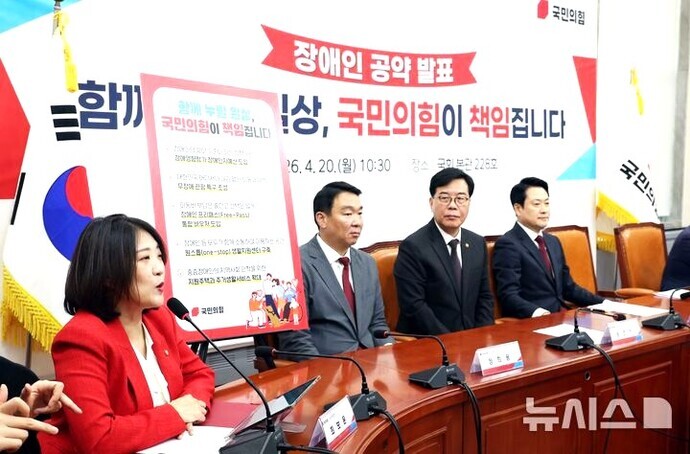
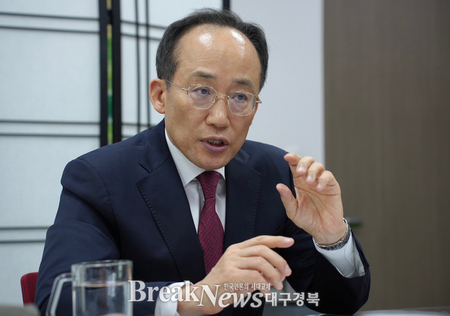
▲ 국민의힘 김미애 의원(해운대을) ©배종태 기자 |
[브레이크뉴스=배종태 기자] 국민의힘 김미애 의원(부산 해운대을)은 12일 기업과 국민의 외국환거래 자유를 법률상 권리로 명확히 보장하고, 정부의 자의적 외환통제를 차단하기 위한 「외국환거래법 일부개정법률안」을 대표 발의했다.
이번 개정안은 외국환거래의 자유를 단순한 정책 기조가 아닌 법적 권리로 명문화하는 것이 핵심이다. 법안에 따르면 대한민국 국민은 외국통화의 보유·교환·예치·해외투자 등 외국환거래를 자유롭게 할 권리를 가지며, 정부는 정당한 사유 없이 이를 제한하거나 강제할 수 없다.
또한 외환거래나 해외 투자 등을 이유로 기업과 국민에게 불이익한 조치를 취하는 행위도 원칙적으로 금지된다.
김 의원은 “외국환거래의 자유는 경기 상황이 좋을 때만 허용되는 선택적 권리가 아니라 위기 상황일수록 지켜야 할 기본 경제 자유”라며 “정부의 정책 실패 책임을 외환통제로 전가하는 행위는 결코 정당화될 수 없다”고 밝혔다.
그는 베네수엘라의 붕괴를 예로 들며 “시장과 자유를 불신한 좌파 이념이 통제를 정당화했고, 그 결과 국가 실패의 비용이 국민에게 전가됐다”며 “전체주의적 통제는 결국 나라를 무너뜨린다”고 지적했다.
김 의원은 “외환통제는 위기 대응 수단처럼 보이지만, 실제로는 정책 실패의 책임을 시장과 국민에게 넘기는 가장 손쉬운 방식 중 하나”라며 “처음에는 투기 억제 명분으로 시작하지만, 정상 기업 활동과 합법적 자산 이동까지 위축시켜 경제를 흔들 수 있다”고 덧붙였다.
김 의원은 이번 개정안이 외환시장 안정과 기업 활동 위축 방지, 그리고 정책 실패의 책임 전가를 구조적으로 차단하는 법적 장치가 될 것으로 기대했다. 또한 “예측 가능한 경제 질서와 대외 신뢰도 제고에 기여할 것”이라고 강조했다.
[Here’s the English news version of the article] *Rep. Kim Mi-ae proposes bill to codify FX transaction freedom"
Rep. Kim Mi-ae of the People Power Party (Busan Haeundae-eul) has proposed a bill to clearly define the freedom of foreign exchange transactions for companies and individuals as a legal right and to block arbitrary government controls on foreign exchange.
Legal right to FX freedom
Under the partial amendment to the Foreign Exchange Transactions Act, South Korean citizens would have the right to freely hold, exchange, deposit and invest in foreign currencies, and the government would be barred from restricting or coercing such transactions without just cause. The bill also bans, in principle, any disadvantageous measures or sanctions against companies and individuals solely on the grounds of engaging in foreign exchange transactions or overseas investments.
Blocking arbitrary FX controls
Kim’s office explained that the amendment aims to prevent the burden of failed foreign exchange policy from being shifted onto businesses’ overseas investment or legitimate cross-border asset movements by way of strengthened controls. By structurally blocking arbitrary intervention by the foreign exchange authorities, the bill seeks to ensure that crises are not managed through sweeping restrictions on market actors.
Kim’s remarks on economic freedom
Kim stressed that the freedom of foreign exchange transactions is not a discretionary right allowed only in good times but a basic economic freedom that must be protected even more firmly in times of crisis. She argued that it is never justifiable for the government to pass the responsibility for policy failures in areas such as exchange-rate management onto companies and the public through foreign-exchange controls.
Warning against ‘Venezuelan-style collapse’
Citing the case of Venezuela, Kim said the country’s collapse was not a simple enforcement failure but the result of a left-wing ideology that distrusted markets and freedom, used control as a justification and ultimately shifted the costs of state failure onto ordinary citizens. She warned that totalitarian-style control inevitably destroys a nation and that foreign-exchange controls, often packaged as crisis-response tools, can in reality become one of the easiest ways to offload the costs of mismanagement onto the market and the public.
Expected impact on Korean economy
Kim expects the amendment to serve as a legal safeguard to protect foreign exchange market stability, prevent the contraction of legitimate corporate activity and block the structural shifting of policy failure onto private actors. The bill is also projected to enhance the predictability of Korea’s economic order and strengthen external confidence in the Korean market as a “free and transparent market.”
원본 기사 보기:부산브레이크뉴스