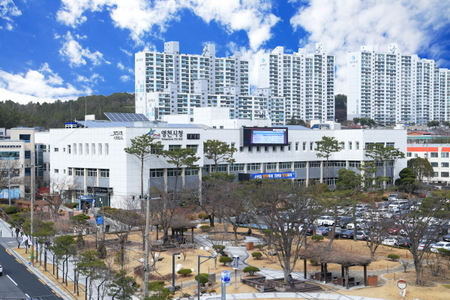
▲ 광양시는 15일 시청에서 ‘광양항 북극항로 거점항만 육성 촉구 담화’를 통해 북극항로 개척이 본격화되는 현 시점에서 광양항이 수행할 수 있는 역할을 설명하고 이에 대한 국가 차원의 정책적 지원 필요성을 강조했다. |
전남 광양시는 15일 시청에서 '광양항 북극항로 거점항만 육성 촉구 담화'를 통해 북극항로 개척이 본격화되는 현 시점에서 광양항이 수행할 수 있는 역할을 설명하고 이에 대한 국가 차원의 정책적 지원 필요성을 강조했다.
광양시는 "기후 변화와 글로벌 공급망 재편 속에서 북극항로는 더 이상 미래의 가능성이 아니라 국가 물류 전략과 해양 주권을 좌우하는 현실적인 선택지"라며 "정부가 해양수산부 부산 이전과 북극항로 개척을 적극 추진하고 있는 만큼 이에 부합하는 항만 전략이 필요하다"고 밝혔다.
광양항은 국내에서 유일하게 LNG 터미널과 LNG 벙커링 시설을 모두 갖춘 항만으로, LNG·원유·철광석 등 북극 자원을 직접 소비할 수 있는 대규모 제조기업이 집적된 국가 핵심 산업항만이다.
또 광양항은 컨테이너, 철강, 석유화학, 자동차, 벌크화물까지 거의 모든 화물을 처리할 수 있는 대한민국 유일의 종합항만으로, 북극항로 거점항만으로 도약할 충분한 잠재력과 경쟁력을 갖추고 있다.
광양시는 이러한 강점을 바탕으로 전라남도와 함께 '여수광양항 북극항로 거점항만 육성 전략 연구용역'을 추진하고 있으며 항만·물류·에너지 등 관련 분야 전문가로 구성된 자문 북극항로 용역 자문 TF를 통해 실효성 있는 발전 전략 마련에 나서고 있다.
현재 제시된 주요 추진 과제로는 ▲광양항 에너지 허브항만 육성 ▲항만 인프라 확충 ▲북극항로 연구·기술·인력 기반 강화 ▲물류기업 지원을 위한 제도 개선 등이 있으며, 향후 용역을 통해 추가 사업을 발굴하고 단계별 실행 전략을 구체화할 계획이다.
아울러 광양시는 광주광역시와 전라남도가 추진 중인 광역 통합이 국가 균형발전 정책의 성공 사례로 자리잡기 위해서는 이를 실질적으로 뒷받침할 국가 차원의 정책적 보완과 전략적 투자가 반드시 병행돼야 한다고 강조했다.
광양시 관계자는 "광양항에 대한 전략적 투자는 국가 물류 경쟁력 강화는 물론, 광주·전남 통합의 효과를 가시화하고 지역의 미래 성장 동력을 확보하는 데 중요한 의미를 갖는다"며 "광주·전남 통합이라는 국가 정책의 성공을 뒷받침하기 위해서라도 북극항로 경제권에 속한 광양항의 항만 인프라 확충과 물류·에너지 기능 고도화에 정부의 책임 있는 투자가 필요하다"고 밝혔다.
[아래는 구글로 번역한 영문기사 전문입니다. 영문번역에 오류가 있을 수 있음을 전제로 합니다. Below is the full English article translated by Google. It is assumed that there may be errors in the English translation.]
On the 15th, Gwangyang City in South Jeolla Province held a statement at City Hall urging the development of Gwangyang Port as a hub port for the Northern Sea Route. The statement explained the role Gwangyang Port can play at a time when the Northern Sea Route is in full swing and emphasized the need for national policy support.
Gwangyang City stated, "Amid climate change and the restructuring of global supply chains, the Northern Sea Route is no longer a future possibility; it is a realistic option that determines national logistics strategy and maritime sovereignty." The city added, "As the government actively pursues the relocation of the Ministry of Oceans and Fisheries to Busan and the development of the Northern Sea Route, a corresponding port strategy is necessary."
Gwangyang Port is the only port in Korea equipped with both an LNG terminal and LNG bunkering facilities. It is a key industrial port for the nation, home to large-scale manufacturing companies that directly consume Arctic resources such as LNG, crude oil, and iron ore.
Furthermore, Gwangyang Port is the only comprehensive port in Korea capable of handling virtually all types of cargo, including containers, steel, petrochemicals, automobiles, and bulk cargo. It possesses ample potential and competitiveness to become a hub port for the Northern Sea Route.
Building on these strengths, Gwangyang City is working with South Jeolla Province on the "Yeosu-Gwangyang Port Northern Sea Route Hub Port Development Strategy Research Service." The city is working to develop an effective development strategy through an advisory task force comprised of experts in ports, logistics, energy, and other related fields.
Currently, key initiatives include: ▲Developing Gwangyang Port as an energy hub port; ▲Expanding port infrastructure; ▲Strengthening the research, technology, and human resources base of the Northern Sea Route; ▲Improving systems to support logistics companies. Through future research, the city plans to identify additional projects and flesh out a phased implementation strategy.
Furthermore, Gwangyang City emphasized that for the regional integration being promoted by Gwangju Metropolitan City and South Jeolla Province to become a successful example of national balanced development, it must be supported by national policy supplementation and strategic investment.
A Gwangyang City official said, “Strategic investment in Gwangyang Port is significant not only in strengthening the nation’s logistics competitiveness, but also in visualizing the effects of the integration of Gwangju and Jeonnam and securing future growth engines for the region.” He added, “In order to support the success of the national policy of integrating Gwangju and Jeonnam, responsible government investment is necessary in expanding the port infrastructure and enhancing the logistics and energy functions of Gwangyang Port, which belongs to the Northern Sea Route economic zone.”
원본 기사 보기:브레이크뉴스전남동부