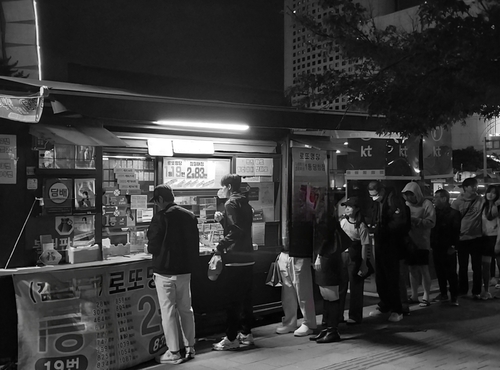
▲ K-푸드 투어리즘 기반 체험경제형 관광 전환 정책 구상(사진제공:인천연구원) © 박상도 기자 |
(브레이크뉴스인천 박상도 기자) 인천연구원이 16일, 음식 소비 중심의 관광을 넘어, 생산과 유통, 체험과 산업이 연결되는 체험경제형 K-푸드 투어리즘으로의 전환 방향을 제시한 ‘K-푸드 투어리즘 기반의 인천 체험경제 육성 방향’ 연구보고서를 발간했다.
인천연구원에 따르면, 이번 연구는 최근 관광 트렌드가 ‘어디를 갔는가’보다 ‘무엇을 경험했는가’를 중시하는 방향으로 급격히 전환되고 있다는 점에 주목했다.
특히, 음식은 지역의 역사와 산업, 일상을 가장 직접적으로 체험할 수 있는 매개체로, 푸드 투어리즘은 단순한 미식 관광을 넘어 지역경제 전반을 움직이는 체험경제형 관광 전략으로 진화하고 있다는 점을 핵심 문제의식으로 삼았다.
이러한 흐름 속에서 인천이 K-푸드 투어리즘을 체험경제 차원에서 실험하고 확장할 수 있는 가장 유리한 조건을 갖춘 도시라고 분석했다.
인천은 짜장면, 쫄면, 닭강정 등 개항 이후 형성된 복합적인 음식문화 자산, 도심과 농촌, 섬과 해안이 공존하는 공간 구조, 그리고 인천국제공항을 중심으로 한 글로벌 관문 기능을 동시에 보유하고 있다.
이는 음식의 생산지부터 체험, 소비, 재유통까지 하나의 관광 흐름으로 연결할 수 있는 드문 조건이라는 평가다.
하지만 그동안 인천의 음식과 식품 관련 자원은 개별 행사나 단편적인 관광 콘텐츠로 활용되는 데 그쳤으며, 체험경제 관점에서 이를 구조화하는 전략은 부족했다.
이에 이 연구에서는 K-푸드 투어리즘을 ‘먹는 관광’이 아닌 ‘경험하고 참여하는 관광’으로 재정의하고, 인천형 체험경제 모델을 구체적으로 제안했다.
우선 농촌과 섬 지역을 중심으로는 식재료 생산과 음식 체험, 교육과 체류가 결합된‘팜 투 도어(Farm to Door) 캠퍼스’조성·운영 방안을 제시했다.
이는 단순 농가 체험이 아니라, 지역 농수산물 생산지에서의 체험, 조리·가공 교육, 로컬 푸드 기반 식사와 상품화까지를 하나의 공간과 프로그램으로 묶는 방식이다.
이를 통해 관광객은 생산과정을 직접 경험하고, 지역은 안정적인 관광 수익과 산업 연계를 동시에 확보할 수 있을 것으로 분석했다.
도심과 원도심 지역에서는 개항장 미식 라이브러리를 거점으로, 전통시장과 음식 특화 거리, 소규모 로컬 식당과 공방, 도시의 역사·문화 자산을 결합한 도심형 미식 체험 모델을 제안했다.
음식에 얽힌 인천의 도시 서사와 생활문화를 체험 콘텐츠로 풀어내고, 이를 걷기 동선과 체류형 프로그램으로 구성함으로써 도심 일상의 매력을 관광 경험으로 전환하는 전략이다.
글로벌 전략으로는 인천국제공항과의 연계성을 핵심으로 한 글로벌 미식문화 터미널 모델을 제시했다.
공항 내 K-푸드 체험 공간과 미식 라운지 조성, 인천 식재료와 로컬 브랜드를 활용한 밀키트·테이크아웃 상품 개발, 출입국 동선과 연계한 미식 체험 프로그램을 통해 한국을 방문하는 외래관광객이 인천국제공항에서 가장 먼저 한국 및 인천의 다양한 미식 자산을 경험하도록 하는 방식이다.
아울러, 인천 미식을 대표하는 글로벌 인증과 브랜드 체계를 마련해 해외 시장에서의 인지도와 신뢰도를 높일 필요성도 강조했다.
연구는 이러한 전략이 최근 정부 정책 방향과도 맞닿아 있다고 분석했다.
문화체육관광부를 비롯한 관계 부처는 K-컬처 확산 전략의 일환으로 미식관광과 푸드 투어리즘을 주요 과제로 다루고 있으며, 체험형 관광 콘텐츠와 지역 기반 관광 산업 육성을 강화하고 있다.
인천이 체험경제 중심의 K-푸드 투어리즘 모델을 선제적으로 구축할 경우, 향후 정부 정책과 연계한 대표 사례로 자리 잡을 수 있을 것으로 전망했다.
인천연구원 황희정 연구위원은“이 연구는 푸드 투어리즘을 관광상품이 아니라 체험경제 관점에서 재구성한 데 의미가 있다”며,“인천은 생산지, 도시, 공항이 연결되는 구조를 갖춘 만큼 K-푸드 투어리즘의 실험과 확산을 동시에 추진할 수 있는 최적지이다”고 밝혔다.
*아래는 위 기사를 ‘구글 번역’으로 번역한 영문 기사의 [전문]입니다.‘구글번역’은 이해도 높이기를 노력하고 있습니다. 영문 번역에 오류가 있을 수 있음을 전제로 합니다.<*Below is the full text of the English translation of the above article, translated using Google Translate. Google Translate strives to improve comprehension. Please understand that there may be errors in the English translation.>
Incheon Research Institute Proposes Incheon-Style Experiential Economy Tourism Model Based on K-Food Tourism
-Break News Incheon Park Sang-do Reporter
The Incheon Research Institute announced on the 16th the publication of a research report titled "Incheon Experiential Economy Development Direction Based on K-Food Tourism," which proposes a shift from food consumption-centered tourism to an experiential economy-based K-Food tourism model that connects production, distribution, experience, and industry.
According to the Incheon Research Institute, this study highlighted the rapid shift in recent tourism trends from emphasizing "where you go" to emphasizing "what you experience."
In particular, the study focused on the fact that food is the most direct medium for experiencing a region's history, industry, and daily life, and that food tourism is evolving beyond simple gastronomic tourism into an experiential economy-based tourism strategy that drives the overall local economy.
In this context, Incheon is analyzed as a city with the most favorable conditions for experimenting with and expanding K-food tourism within the experiential economy.
Incheon possesses a complex culinary culture, including jajangmyeon (noodles with black bean sauce), jjolmyeon (spicy noodles), and dakgangjeong (sweet and sour chicken), which has developed since the opening of its ports. Its spatial structure, which combines urban and rural areas, islands, and the coast, also serves as a global gateway, centered around Incheon International Airport.
This unique combination allows for a unified tourism flow, from food production to experience, consumption, and redistribution.
However, Incheon's food and food-related resources have been limited to individual events and fragmented tourism content, and there has been a lack of strategies to structure them within the experiential economy.
Accordingly, this study redefines K-food tourism from "eating tourism" to "experiential and participatory tourism" and proposes a concrete Incheon-style experiential economy model.
First, focusing on rural and island areas, the study proposes the creation and operation of a "Farm to Door" campus, combining food production, culinary experiences, education, and lodging.
This approach goes beyond simple farm experiences; it integrates experiences at local agricultural and marine product production sites, cooking and processing training, and even local food-based meals and commercialization into a single space and program.
This approach will allow tourists to directly experience the production process, while simultaneously securing stable tourism revenue and industrial connections for the region.
For urban and downtown areas, the study proposes an urban gastronomic experience model centered around the port's gastronomic library, combining traditional markets, food-specialized streets, small local restaurants and workshops, and the city's historical and cultural assets.
This strategy transforms the charm of everyday urban life into a tourist experience by unraveling Incheon's urban narrative and lifestyle culture through experiential content, integrating it with walking routes and stay-at-home programs.
As a global strategy, the project proposed a global gastronomic culture terminal model centered on connectivity with Incheon International Airport.
This approach aims to provide international tourists visiting Korea with a firsthand experience of Korea and Incheon's diverse culinary assets at Incheon International Airport. This includes creating K-food experience spaces and gourmet lounges within the airport, developing meal kits and takeout products utilizing Incheon ingredients and local brands, and integrating culinary experience programs with the departure and arrival process.
Furthermore, the project emphasized the need to establish a global certification and brand system representing Incheon's culinary heritage to enhance its recognition and credibility in overseas markets.
The study analyzed that this strategy aligns with recent government policy directions.
Related ministries, including the Ministry of Culture, Sports and Tourism, are prioritizing gastronomic tourism and food tourism as key initiatives within their K-culture expansion strategy, and are strengthening the development of experiential tourism content and regional tourism industries.
If Incheon proactively establishes a K-food tourism model centered on the experiential economy, it is expected to establish itself as a leading example, aligned with future government policies.
Hwang Hee-jung, a research fellow at the Incheon Institute, stated, "This study is significant in reimagining food tourism from the perspective of the experiential economy, rather than a tourism product." She added, "Incheon, with its structure connecting production sites, cities, and airports, is an optimal location for simultaneously pursuing the experimentation and expansion of K-food tourism."
원본 기사 보기:ebreaknews.com