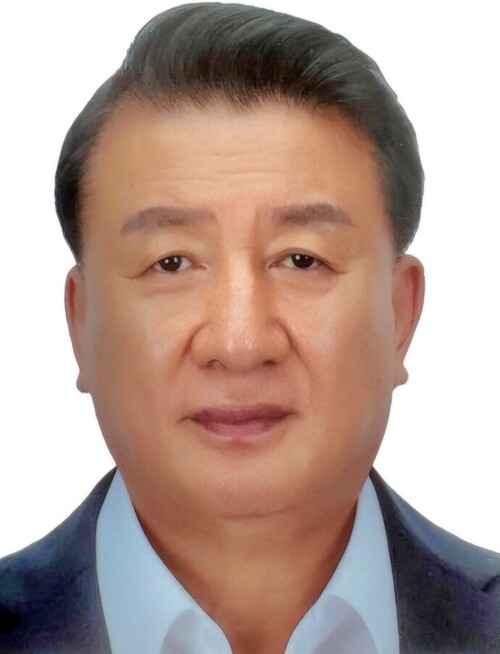
▲ 권기환 박사 ©브레이크뉴스 |
2026년 병오년(丙午年)이 벌써 20일이나 흘렀다. 올해는 이른바 붉은 말띠의 해이기도 해서 말의 질주 본능이 시작되기를 누구든 바라고 있을 것이다. 그런데 그와 같은 질주의 본능이 막무가내식으로 직선으로 가다 보면 결국 말도 지치기 마련이다. 아무리 적토마라도 쉴 때 쉬어야 한다. 말하자면 말도 휴식을 하면서 숨 고르기도 하고, 피로도 풀면서 목도 축여야 한다. 말도 그러할진대 인간도 마찬가지다. 필자도 이제 겨우 계절학기가 끝나 모처럼 피로를 풀며 오랜만에 휴식의 단맛을 보고 있다. 그러나 이러한 필자의 휴식도 순간적이었을 뿐, 지구촌의 소식들은 가히 충격적이라 할 만하다.
미국의 트럼프 대통령의 명령에 따라 미국은 남미의 대표적 반미 국가 베네수엘라를 폭격하고 특수부대를 투입해 대통령 부부를 체포, 미국으로 압송했다. 미국이 자신의 앞마당으로 생각하는 특정 남미 국가를 표적 삼아 의회의 승인 없이 폭격하고, 국민이 직선으로 뽑은 대통령을 범죄자로 몰아 특수부대를 투입해 대통령을 불법적으로 구금하는 것은 명백한 국제법 위반이다. 그런데 역사적으로 보면 미국은 이번만이 아니라 여러 차례 중남미 국가들을 상대로 무력 행사와 정권 교체, 대통령 체포 작전을 벌여 왔다. 이때 미국이 내세운 명분은 대체로 좌파 정권을 전복시키고 민주화와 더불어 경제적 위기를 해소할 수 있으며, 마약 범죄도 소탕할 수 있다는 것이었다. 그러나 실제로는 그렇게 되었더라도 어느 국가도 경제적 위기를 벗어나거나 민주화가 정착되지 못했다. 이는 공통적으로 국가 시스템의 투명성 부재, 정권 및 관료의 부정부패 만연, 경제난과 실업, 물가 상승뿐만 아니라 군부의 입김이 매우 크다는 점 때문이다. 이로 인해 정권이 교체되더라도 이러한 문제를 단기간에 해결하는 것은 누구에게도 쉽지 않다. 그 결과 중남미 국가들은 대체로 정치적 상황이 매우 불투명하고, 정치력의 부재로 정치적 혼란과 군사 정변도 빈번하게 발생하고 있다.
미국이 이번에 베네수엘라를 공격하고 대통령 체포에 나선 것은 정권 교체나 마약 소탕이라는 표면적 이유보다는 베네수엘라의 막대한 석유를 노렸기 때문일 것이다. 사실 베네수엘라는 석유 매장량이 세계 최대 수준이지만, 석유 생산량은 이에 미치지 못하고 있다. 이러한 상황에서 미국이 이를 어떤 식으로든 확보해 싸게 판매할 수 있다면 막대한 이익이 된다. 군사 작전을 벌이는 김에 정권 교체와 마약 소탕까지 동시에 달성하는 일거양득(一擧兩得), 그 이상의 정치적 계산이 깔려 있을 가능성이 크다. 비록 미국이 국제적 비난을 받을 수 있겠지만, 미국 우선주의에 따라 미국의 이익을 위해 국제법 위반과 동맹국 분열도 불사하겠다는 트럼프식 강수가 현실이 되고 있다.
다음 목표는 그린란드다. 트럼프는 그린란드를 매입하겠다고 밝혔는데, 이는 사실상 미국으로의 병합과 다를 바 없다. 그린란드가 현재 덴마크령이기 때문에 덴마크가 이러한 압박에 강하게 반발하는 것은 당연하다. 트럼프의 압박 속에서 그린란드는 덴마크령으로 남을 것인지, 아니면 덴마크로부터 독립할 것인지를 두고 여론이 찬반으로 갈라지고 있다. 미국과 덴마크, 그린란드가 협상을 벌였지만 합의에 이르지 못하자 나토 8개국이 즉각 그린란드에 병력을 파견했다. 이에 대해 트럼프는 이들 국가에 관세를 부과하겠다고 위협하고 있어, 이제 ‘대서양 동맹’은 극적인 합의가 없는 한 본격적으로 흔들릴 가능성이 크다. 유럽은 러시아와 미국 사이에서 과연 새로운 대안을 찾을 수 있을까. 아마도 있다면 그것은 중국일 것이다. 유럽이 미국과의 관계가 틀어질 경우, 선택지는 중국 외에는 많지 않다. 다만 그럴듯한 명분이 필요할 것이다.
이제 시선을 세계의 화약고 중동으로 돌려보자. 가장 중요한 문제는 이란의 반정부 시위 사태다. 시위는 처음에는 경제난으로 촉발됐지만, 정부의 강경 진압으로 인명 피해가 상당히 발생하면서 정권 교체 가능성까지 거론됐다. 여기에 트럼프가 반정부 시위를 부추기는 발언을 하자 시위대는 미국의 개입 가능성에도 기대를 걸었고, 이른바 팔레비 왕조의 마지막 왕세자인 레자 팔레비가 등장하면서 하메네이 이후의 정치 지도자 구상도 거론됐다. 그러나 미국의 개입에 대해 이스라엘과 다른 걸프 국가들까지 만류했고, 이란 당국이 체포자들에 대한 사형 집행을 유보하면서 트럼프도 슬그머니 발을 뺐다. 이에 시위대는 트럼프에 대한 배신감 속에 더 이상의 확산에 실패했다.
이러한 흐름은 반정부 시위보다 친정부 시위가 규모 면에서 훨씬 컸다는 점에서도 확인된다. 더욱이 미국이 반정부 시위를 배후에서 조종했다는 인식이 퍼지면서 친정부 시위대가 결집했다. 이는 과거 이란이 이라크와 8년 전쟁을 치르면서 서방의 지원을 받은 이라크의 침략을 단결로 막아냈다는 자부심이 여전히 이란 사회에 깊게 남아 있기 때문이다. 물론 현 이란 정부의 실정은 비판받아 마땅하지만, 그렇다고 과거 왕정으로 돌아가거나 미국의 개입을 기대하는 것은 설득력이 크지 않다.
이제 향후 이란의 핵 문제가 어떻게 전개될지가 관건이다. 오히려 서방이 이란의 핵 개발을 막아낼 명분이 그만큼 약해졌다는 점이 더 문제다. 더 나아가 이란은 지난해 이스라엘과 미국의 폭격으로 타격을 입었음에도 불구하고 상당한 회복력을 보이며 약 2,000여 기의 탄도미사일을 확보하고 있다. 중동에서 이란의 시아파 벨트가 약화되기는 했지만, 이란이 헤즈볼라 지원을 계속하는 한 이란은 오히려 자위력 강화 차원에서 핵 개발을 가속화할 가능성이 크다. 가자지구는 2단계 평화 협상에 들어갔지만, 하마스 무장 해제 문제로 난관에 봉착한 상태다.
그렇다면 한국이 속한 동북아 정세는 올해 어떨까. 일본에서는 다카이치 총리가 중의원을 해산하고 조기 총선에 돌입할 예정인데, 집권 연립 내각이 과반을 확보할 수 있을지가 관건이다. 중국과 일본의 관계가 악화되면서 양국 모두 한국에 손을 내밀고 있는 상황에서, 한국은 균형 외교와 실리 외교를 통해 국익 우선 원칙으로 상황 관리를 철저히 해야 한다. 북한은 러시아와의 친선 관계를 가속화하고 있지만, 중국은 아직 북한의 기대에 미치지 못하고 있다. 이는 중국이 대만 문제와 미국의 대중 포위 전략에 대응해야 하는 현실 속에서, 미국을 의식하지 않을 수 없기 때문이다. 아마도 중국은 APEC을 전후해 북한을 달랠 적절한 카드를 고심하고 있을 것이다.
한국의 이재명 대통령이 최근 중국을 국빈 방문하면서 한중 관계는 상당 부분 복원됐지만, 여전히 넘어야 할 산은 많다. 동북아 정세에서 올해 한국의 입장에서 가장 큰 화두는 두 가지다. 하나는 트럼프의 중국 방문과 시진핑 주석과의 정상회담 여부이고, 다른 하나는 트럼프가 김정은 국무위원장과 다시 정상회담을 할 것인지다. 두 사안 모두 성사 여부 자체가 상징적 의미를 갖는 것은 물론, 한국이 향후 어떻게 대응할지 가늠하는 기준이 될 것이다.
조금 더 생각해 보면 한국이 국익을 위해 가장 먼저 해야 할 일은 남북 관계에 대한 구체적 실행 방안 마련이다. 그러나 안타깝게도 현재로서는 마땅한 카드가 없다. 현실적으로 남북 간 최소한의 대화조차 단절된 상황에서 북한의 의중이나 전략을 파악하기는 쉽지 않다. 그렇다면 방법은 무엇인가. 하나의 대안은 한국이 러시아와의 관계를 개선하며 공동 협력 방안을 모색하는 것이다. 마침 푸틴 대통령이 북극 항로에 대한 한국의 참여에 관심을 표명한 바 있는데, 이는 한국의 정권 교체로 우크라이나에 대한 지원이 사실상 중단될 것이라는 점을 러시아가 인식했기 때문일 것이다. 한국은 중국이 북한에 대해 미온적인 태도를 보일 경우, 오히려 북한과 가까운 러시아와의 관계를 강화해 러시아와 중국 사이의 전략적 긴장을 활용할 필요가 있다. 북한 역시 이러한 구도를 마다할 이유는 없다. 한국이든 북한이든 당국자들이 명심해야 할 것은 복잡한 국제 구도 속에서 양측 모두 손해만 보고, 이익은 강대국들이 나눠 갖는 상황을 반드시 피해야 한다는 점이다.
*필자/권기환
철학박사. 동국대에서 석사학위를, 독일 지겐대 제 1학부(역사-철학과)에서 철학박사학위(Dr. phil.)를 취득했다. 경희대, 경기대, 명지대, 상명대, 강남대, 홍익대 등에서 강의를 했다. 현재는 가천대에서 강의를 하고 있다. 주요 관심사는 독일 관념론, 독일 초기 낭만주의, 프랑스 현상학, 해석학, 동서 비교 철학 등이다. 한국 헤겔학회, 한국칸트학회, 한국해석학회, 한국 현상학회(전 정보이사), 서양 근대철학회 등에서 활동하고 있다.
*아래는 위 기사를 '구글 번역'으로 번역한 영문 기사의 [전문]입니다. '구글번역'은 이해도 높이기를 위해 노력하고 있습니다. 영문 번역에 오류가 있을 수 있음을 전제로 합니다.<*The following is [the full text] of the English article translated by 'Google Translate'. 'Google Translate' is working hard to improve understanding. It is assumed that there may be errors in the English translation.>
Twenty days have already passed since 2026, the Year of the Red Horse. This year, also known as the Year of the Red Horse, everyone is probably hoping for the horse's galloping instinct to kick in. However, if that galloping instinct is recklessly driven in a straight line, it will eventually tire. Even the Red Horse needs rest when it's time to rest. In other words, horses need to rest, catch their breath, relieve fatigue, and quench their thirst. If horses can do this, so must humans. With the end of the school year, I, too, am finally enjoying a long-awaited respite, enjoying the sweetness of rest. However, my respite was fleeting; the news from around the world is nothing short of shocking.
At the order of President Trump, the United States bombed Venezuela, a prominent anti-American country in South America, deployed special forces, arrested the president and his wife, and deported them to the United States. The US is targeting certain South American countries, which it considers its own front yard, bombing them without congressional approval, and illegally detaining their directly elected presidents by deploying special forces, accusing them of being criminals, is a clear violation of international law. Historically, the US has repeatedly used force, attempted regime change, and arrested presidents in Latin American countries. The justifications offered by the US were generally that they would overthrow leftist regimes, promote democratization, alleviate economic crises, and eradicate drug trafficking. However, even after these efforts, none of these countries have been able to overcome their economic crises or achieve democracy. This is due in part to a lack of transparency in the national system, widespread corruption among government officials and officials, economic hardship, unemployment, and rising prices, as well as the significant influence of the military. Consequently, even with a regime change, resolving these issues quickly is difficult for anyone. Consequently, the political landscape in Latin American countries remains highly opaque, and the lack of political power frequently leads to political turmoil and military coups.
The US's recent attack on Venezuela and arrest of its president likely stemmed from its targeting of Venezuela's vast oil reserves, rather than the ostensible goal of regime change or a crackdown on drugs. While Venezuela possesses the world's largest oil reserves, its production lags behind. Given this, if the US could somehow secure this reserve and sell it cheaply, it would be enormously profitable. It's highly likely that there's a political calculation underlying this military operation, aiming to simultaneously achieve regime change and crackdown on drugs. While the US may face international condemnation, Trump's aggressive stance of violating international law and dividing allies for US interests, driven by his "America First" approach, is becoming a reality.
The next target is Greenland. Trump has announced his intention to purchase Greenland, effectively annexing it. Given that Greenland is currently a Danish territory, it's understandable that Denmark would strongly oppose this pressure. Under pressure from Trump, public opinion is divided over whether Greenland should remain Danish or gain independence from Denmark. When negotiations between the United States, Denmark, and Greenland failed to reach an agreement, eight NATO countries immediately deployed troops to Greenland. Trump has responded by threatening tariffs on these countries, and the "Atlantic Alliance" is now likely to be seriously shaken unless a dramatic agreement is reached. Can Europe find a new alternative between Russia and the United States? If so, it's likely to be China. If Europe's relationship with the United States deteriorates, China is the only option. However, a plausible justification will be needed.
Now, let's turn our attention to the Middle East, the world's flashpoint. The most critical issue is the anti-government protests in Iran. While initially sparked by economic hardship, the government's harsh crackdown has resulted in significant casualties, leading to discussions about the possibility of regime change. Furthermore, with Trump's remarks inciting anti-government protests, protesters pinned their hopes on the possibility of US intervention. With the rise of Reza Pahlavi, the last crown prince of the so-called Pahlavi dynasty, the idea of a political leader after Khamenei was discussed. However, Israel and other Gulf states discouraged US intervention, and with the Iranian authorities suspending executions of those arrested, Trump quietly withdrew. Consequently, the protesters, feeling betrayed by Trump, failed to spread further.
This trend is further evidenced by the fact that pro-government protests were far larger in scale than anti-government protests. Furthermore, the perception that the US orchestrated the anti-government protests rallied pro-government protesters. This stems from the deep-seated pride in Iranian society that Iran united against a Western-backed Iraqi invasion during the eight-year war. While the current Iranian government's failures deserve criticism, expectations of a return to the monarchy or of US intervention are less convincing.
The key question now is how the Iranian nuclear issue will unfold in the future. Rather, the bigger problem is that the West's justification for blocking Iran's nuclear development has weakened. Furthermore, despite being hit by Israeli and US bombings last year, Iran has demonstrated considerable resilience and retains approximately 2,000 ballistic missiles. While Iran's Shiite influence in the Middle East has weakened, as long as Iran continues to support Hezbollah, it is highly likely that Iran will accelerate its nuclear development to strengthen its self-defense capabilities. The Gaza Strip has entered the second phase of peace talks, but the issue of Hamas disarmament remains a stumbling block.
So, what will the situation in Northeast Asia, where South Korea is located, look like this year? In Japan, Prime Minister Takaichi plans to dissolve the House of Representatives and hold an early general election, with the ruling coalition securing a majority crucial. With relations between China and Japan worsening, and both countries reaching out to South Korea, South Korea must thoroughly manage the situation based on the principle of prioritizing national interests through balanced and pragmatic diplomacy. North Korea is accelerating its friendly relations with Russia, but China has yet to meet North Korea's expectations. This is because China, faced with the Taiwan issue and the US's strategy of encircling China, cannot help but be mindful of the US. China is likely considering an appropriate strategy to appease North Korea around the time of the APEC summit.
While South Korea-China relations have significantly recovered thanks to South Korean President Lee Jae-myung's recent state visit to China, many hurdles remain. For South Korea, two key issues this year in Northeast Asia are key: whether Trump will visit China and hold a summit with President Xi Jinping, and whether Trump will hold another summit with Chairman Kim Jong-un. The success of both summits carries symbolic significance and will serve as a benchmark for South Korea's future response.
Considering further consideration, the first priority for South Korea, in its national interest, is to develop concrete action plans for inter-Korean relations. Unfortunately, however, it currently lacks a viable strategy. Given the severance of even minimal dialogue between the two Koreas, it is difficult to discern North Korea's intentions or strategies. So what's the solution? One alternative is for South Korea to improve its relations with Russia and explore joint cooperation. President Putin recently expressed interest in South Korea's participation in the Northern Sea Route, likely because Russia recognizes that a change in South Korean government would effectively suspend its support for Ukraine. If China adopts a lukewarm stance toward North Korea, South Korea should strengthen its relationship with Russia, which is close to North Korea, and capitalize on the strategic tensions between Russia and China. North Korea has no reason to reject this approach. What both South Korean and North Korean officials must keep in mind is that in a complex international structure, they must avoid a situation where both sides suffer losses while the major powers share the gains.