【브레이크뉴스 경북】이성현 기자=저출생과의 전쟁 3년 차를 맞은 경상북도가 2025년 한 해 동안 도민 체감형 정책 성과를 현장에서 차곡차곡 쌓아 올리며 수치로 확인되는 가시적 결과를 내고 있다.
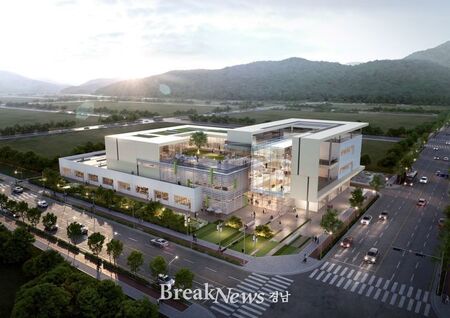
 ▲ 경북형 통합돌봄센터 건립 현 © 경북도 |
경북도는 아이 키우기 좋은 환경 조성을 목표로 ‘아이천국 경북’을 내걸고 육아친화 온종일 완전돌봄 인프라를 도내 전역에 구축하고 있다. 수요자 중심의 돌봄 서비스 제공을 위해 경북형 통합돌봄센터 18개소를 조성 중으로, 포항·성주·영천·울진 등 6개소는 이미 준공돼 운영에 들어갔으며 안동·경산·상주·고령·청도 등 12개소는 2028년까지 순차적으로 완공될 예정이다.
경북도가 2025년 저출생과 전쟁 주요 사업 추진 실적을 점검한 결과, 만남부터 출산·돌봄·주거·일생활균형·양성평등에 이르는 전 주기 정책 전반에서 체감 성과가 확대된 것으로 나타났다. 도는 정책 실적과 지표를 종합적으로 분석하고 주요 연구성과를 바탕으로 향후 인구 구조 변화에 대응하기 위한 방향도 함께 모색했다.
만남 주선 분야에서는 청춘동아리 매칭률 44%, 솔로 마을 59%, ‘칠월칠석 견우직녀 만남의 날’ 38%의 매칭률을 기록하며 총 70쌍(140명)이 인연을 맺었다. 특히 2025년에는 20대 결혼축하 혼수비용으로 가구당 100만 원을 지원해 총 563가구의 결혼 초기 부담을 완화했다.
행복 출산 분야에서는 예비·초보 부모를 위한 행복 가족 여행 674명, 임신 사전 가임력 검사 1만1,196명, 신생아 집중치료 235명 등을 지원했다. 난임부부 시술비 지원은 남성 13건을 포함해 총 9,332건으로 전년 대비 확대됐으며, 출산축하박스(9,579명), 산모·신생아 건강관리(8,558건), 임산부 콜택시(5만7,279건) 등 다양한 맞춤형 지원도 이어졌다.
완전 돌봄 분야에서는 K보듬6000(24시 공동체 돌봄) 누적 이용 15만229명, 아픈 아이 긴급 돌봄 3,058명, 24시 시간제 보육 3만6,967명 등 빈틈없는 온종일 돌봄 체계를 구축했다. 이와 함께 조부모 손자녀 돌봄 지원(531명), 방학 중 어린이 중식 지원(2,068명) 등 틈새 돌봄 사업도 새롭게 추진했다.
안심 주거 분야에서는 청년 신혼부부 임차보증금 이자 지원 210가구, 월세 지원 130가구, 청년 월세 지원 1만184명, 청년 부부 주거환경 개선 49가구를 지원했다. 아울러 양육친화형 공공임대주택, 지역밀착형 공공임대주택, K-U시티 청년 정주 공동주택 등 주택 공급 사업도 지속 추진 중이다.
일·생활 균형 정책으로는 전국 최초 돌봄 연계 일자리 편의점 매칭 351명, 출산 소상공인 대체인력 인건비 지원 215명, 육아기 단축근로 급여 보전 205명, 다자녀 축산·농가 도우미 지원 등 현장 밀착형 정책을 확대했다.
양성평등 분야에서는 아빠 교실 프로그램 7,226명, 다자녀 가정 농수산물 구매 지원 6만690가구, 다자녀 가구 이사비 지원 525가구, 아동 친화 음식점 247개소를 운영했으며, 2025년에는 아동친화도시 11개소와 여성친화도시 7개소를 신규 지정했다.
경북도는 2026년부터 선택과 집중 전략으로 저출생 정책의 완성도를 한 단계 끌어올릴 계획이다. 기존 150대 과제를 120대 과제로 재편하고, 전년 대비 400억 원 증액된 총 4,000억 원 규모의 예산을 투입한다.
특히 2026년을 기점으로 AI 돌봄 정책을 보급–실증–대형 국책사업화의 3단계 전략으로 추진한다. 2월부터 저출생 성금 10억 원을 활용해 도내 돌봄시설 10개소에 AI 돌봄 로봇 100여 대를 시범 보급하고, ‘AI 스마트 돌봄 실증 지역 거점 조성 연구’를 통해 향후 국가 공모사업과 대형 국책 프로젝트로 연계할 방침이다.
경북도는 저출생 대응을 넘어 외국인 유입, 고령사회, 청년정책을 아우르는 인구 구조 변화 대응 컨트롤타워로서의 역할도 강화한다. 저출생정책평가센터와 인구구조변화대응 경북 협의체를 통해 정책 효과를 지속 점검하고, 국립 인구정책연구원 유치와 APEC 인구정책 포럼 등 국제회의 유치에도 나선다.
이철우 경상북도지사는 “2025년은 저출생과 전쟁이 구호를 넘어 도민의 일상에서 실제 변화를 만든 해였다”며 “2026년에는 효과가 검증된 정책은 더욱 확대하고, AI와 신기술을 결합한 돌봄·교육 혁신으로 대한민국 인구정책의 새로운 해법을 경북에서 증명하겠다”고 강조했다.
<구글 번역으로 번역한 영문 기사의 전문 입니다. 번역에 오류가 있을 수 있음을 밝힙니다.>
Gyeongsangbuk-do Province, in its third year of its "War on Low Birth Rate," aims to achieve tangible results by 2025… Comprehensive expansion of care, housing, and work-life balance
Gyeongsangbuk-do Province, now in its third year of its war on low birth rates, is steadily building on the ground through 2025 with tangible policy outcomes for residents, yielding tangible results quantified in numbers.
Gyeongsangbuk-do Province is building a child-friendly, all-day, full-day care infrastructure across the province, under the slogan "Children's Paradise Gyeongbuk," to create a conducive environment for raising children. To provide demand-oriented care services, 18 Gyeongbuk-style integrated care centers are under construction. Six centers, including those in Pohang, Seongju, Yeongcheon, and Uljin, have already been completed and are in operation, while 12 more, including those in Andong, Gyeongsan, Sangju, Goryeong, and Cheongdo, are scheduled for completion sequentially by 2028.
Gyeongbuk Province's 2025 review of key projects related to low birth rates and the war era revealed significant improvements across the entire policy cycle, from meeting people to childbirth, caregiving, housing, work-life balance, and gender equality. The province comprehensively analyzed policy performance and indicators and, based on key research findings, explored future directions for responding to demographic changes.
In the matchmaking sector, a total of 70 couples (140 people) achieved matching rates of 44% for youth clubs, 59% for solo villages, and 38% for the "Chilseok (Chilsok) Cowherd and Weaver Girl Meeting Day." Notably, in 2025, 1 million won per household was provided for wedding gifts for those in their 20s, alleviating the initial burden of marriage for a total of 563 households.
In the area of happy childbirth, support was provided for 674 expectant and new parents on a happy family trip, 11,196 pre-conception fertility tests, and 235 newborn intensive care units. Support for infertile couples' treatment costs increased year-on-year to 9,332 cases, including 13 for men. Various customized support programs continued, including childbirth congratulatory boxes (9,579 cases), maternal and newborn health care (8,558 cases), and taxi calls for pregnant women (57,279 cases).
In the area of complete care, a seamless, all-day care system was established, with a cumulative total of 150,229 users of K-Bodeum 6000 (24-hour community care), 3,058 emergency care for sick children, and 36,967 part-time childcare services. New niche care programs were also launched, including grandparent-grandchild care support (531 cases) and lunch support for children during school vacation (2,068 cases).
In the area of secure housing, support was provided to young newlyweds through rental deposit interest subsidies for 210 households, monthly rent subsidies for 130 households, monthly rent subsidies for 10,184 young people, and improved living conditions for young couples for 49 households. Furthermore, housing supply projects such as child-friendly public rental housing, community-based public rental housing, and K-U City youth settlement apartments are being continuously pursued.
For work-life balance policies, field-focused policies were expanded, including the nation's first convenience store matching service for caregivers (351 people), labor cost support for small business owners with newborns (215 people), compensation for reduced work hours for childcare (205 people), and support for helpers for livestock and farm households with multiple children.
In the area of gender equality, the province has implemented the "Father's Classroom" program for 7,226 people, provided support for purchasing agricultural and marine products for 60,690 households with multiple children, provided moving expenses support for 525 households with multiple children, and operated 247 child-friendly restaurants. Furthermore, 11 child-friendly cities and seven women-friendly cities will be newly designated by 2025.
Gyeongbuk Province plans to further enhance its low birth rate policy through a selection and concentration strategy starting in 2026. The existing 150 major tasks will be reorganized into 120, and a total budget of 400 billion won, an increase of 40 billion won from the previous year, will be allocated.
In particular, starting in 2026, the province will pursue AI care policies in a three-stage strategy: dissemination, verification, and large-scale national commercialization. Starting in February, the province will utilize 1 billion won in low birth rate funds to pilot around 100 AI care robots at 10 care facilities across the province. The province plans to link this with national public offerings and large-scale national projects through the "AI Smart Care Demonstration Regional Hub Research Study."
Gyeongsangbuk-do Province will also strengthen its role as a control tower for responding to population structural changes, encompassing the influx of foreigners, an aging society, and youth policies, beyond simply addressing the low birth rate. The province will continuously monitor policy effectiveness through the Low Birth Rate Policy Evaluation Center and the Gyeongsangbuk-do Council for Population Structure Change Response, and will also seek to attract the National Population Policy Institute and international conferences such as the APEC Population Policy Forum.
Gyeongsangbuk-do Governor Lee Cheol-woo emphasized, "2025 was a year when low birth rates and war went beyond mere slogans and brought about real changes in the daily lives of residents. In 2026, we will further expand proven effective policies and demonstrate new solutions for South Korea's population policy in Gyeongsangbuk-do through care and education innovations that combine AI and new technologies."
원본 기사 보기:브레이크뉴스 대구경북