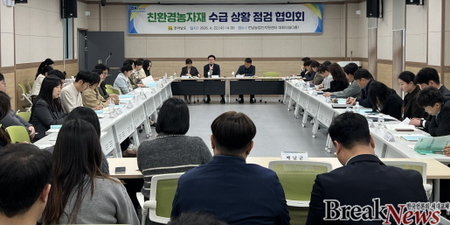
▲ <사진=원주시청>원강수 시장 기자회견 © 이용하 기자 |
<브레이크뉴스 원주=이용하 기자> 원강수 원주시장이 정부의 광역 행정통합 기조를 ‘기초지방자치단체 간 통합’으로 확장해야 한다며, 그 핵심 모델로 ‘원주-횡성 행정통합’을 전격 제안하고 나섰다.
원 시장은 26일 긴급 브리핑을 통해 “지방 주도 성장의 대전환은 원주와 횡성의 통합에서 시작되어야 한다”며, 정부가 광역 통합에 약속한 파격적인 인센티브를 기초 통합에도 동일하게 제공해 줄 것을 강력히 촉구했다.
 ▲ <사진=원주시청>원강수 시장 기자회견 © 이용하 기자 |
■ “횡성 주민 삶의 질 획기적 개선... 의료·교통 인프라 대폭 확충” 원 시장은 통합 시 발생할 주민 체감형 혜택을 구체적으로 제시했다. 광역에 준하는 재정 인센티브가 적용될 경우, 이를 인구 감소 지역의 의료시설 확충과 농촌 지역 대중교통망 확대 등 생활 SOC 분야에 집중 투자하겠다고 밝혔다. 이를 통해 횡성 지역 주민들의 일상생활 인프라를 획기적으로 개선하고 삶의 질을 한층 높이겠다는 복안이다.
■ “AI와 미래모빌리티의 만남... 누구나 기업하기 좋은 경제 도시” 산업 구조의 대대적인 변화도 예고했다. 원주의 AI·반도체 산업과 횡성의 미래모빌리티 산업이 결합하면 신규 투자가 촉진되고 양질의 일자리가 확대될 것이라는 분석이다. 원 시장은 “조세 감면과 규제 완화 등 산업 활성화 인센티브가 적용되면 청년 세대가 유입되는 경제 중심의 통합도시가 될 것”이라며, 이는 강원특별자치도가 지향하는 미래산업 글로벌 도시와 궤를 같이한다고 강조했다.
■ “원주-횡성은 이미 하나의 생활권... 더는 미룰 수 없는 시대적 요구” 특히 원 시장은 “원주와 횡성은 이미 학생들의 통학과 직장인들의 출퇴근, 상급병원 이용 등 사실상 모든 분야에서 ‘한 도시’나 다름없는 공동생활권을 형성하고 있다”고 역설했다. 시내버스로 연결된 문화·예술·상업 인프라를 공유하는 두 도시의 통합은 상호 보완적이고 미래지향적인 선택이라는 설명이다.
■ “국가 생존전략의 주인공이 되어야... 지금이 통합 논의의 적기” 원 시장은 “급격한 인구 감소로 지역 자족 기능이 상실되는 위기 상황에서 이번 통합은 국가적 아젠다의 주인공이 될 수 있는 소중한 기회”라며, 41만 원주·횡성 주민들이 공동 번영을 위해 발상의 전환을 해달라고 호소했다.
 ▲ <사진=원주시청>원강수 시장 기자회견 © 이용하 기자 |
마지막으로 원 시장은 “지금이 통합 논의의 가장 적절한 시기”라며, 정부를 향해 특별자치도 내 기초지자체 통합에 대한 다각적인 지원 방안 마련을 다시 한번 강력히 건의하며 브리핑을 마쳤다.
[다음은 원강수 원주시장 긴급 브리핑 전문이다]
안녕하십니까.
원주시장 원강수입니다.
존경하는 36만 원주시민 여러분!
지난 1월 21일 이재명 대통령께서는 신년 기자회견을 통해 “현재 추진 중인 대전·충남과 광주·전남의 광역 통합은 상징적 출발점이자 국가의 생존 전략이다.”라고 강조하셨습니다.
앞선 16일, 국무총리께서 『광역 지방정부간 행정통합』 정책으로 밝힌 광역 통합에 따른 4년간 20조 원 인센티브 제공 약속에 대해 힘을 실어주는 언급이었습니다.
무엇보다 광역 행정통합에 대한 재정지원, 위상강화, 공공기관 우선 이전, 산업 활성화 등 4개 분야에 대한 구체적인 인센티브 정책이 매우 파격적이어서 통합 논의의 장에 있는 지방정부와 지역 주민들의 기대를 한껏 끌어올렸습니다.
그렇지만 이러한 제안들은 정부가 주도하는 5극 3특 전략 가운데 5극 지역만을 위한 제한적이라는 평가가 존재합니다. 광주-전남, 대전-충남 지역에서는 큰 반응을 보이고 있으나, 반면 강원특별자치도를 포함한 3특에게는 역차별 우려와 걱정을 낳고 있는 지금,
이 시대에 우리 시가 성장과 도약을 할 수 있는 방안을 말씀드리고자 합니다.
정부의 광역 통합 기조와 인센티브 제안 등은 2차 공공기관 이전과 기업유치 및 산업 활성화 등에 사활을 건 원주시에도 큰 영향을 미치게 됩니다. 원주시는 이러한 시대적 흐름에 민감하게 대응하고 발상의 전환을 통해 이 상황을 성장과 도약의 기회로 만들어 가야 합니다.
이에 정부에 제안을 드립니다.
정부의 광역 행정 통합 논의와 함께 『기초자치단체 간 통합』 논의를 시작해 주시기 바랍니다.
광역 통합에 준하는 인센티브를 기초 통합에도 제공하게 된다면 기초자치단체도 통합을 주저할 이유가 없습니다. 강원특별자치도도 지역적 한계를 극복하기 위하여 ‘강원특별법’에 기초자치단체의 통합에 대한 파격적인 인센티브를 함께 담아 정부에 건의하여 주시기 바랍니다.
그렇게 된다면 강원특별자치도는 정부의 통합 논의에서 비켜서 있는 것이 아니라 논의의 중심이 되고, 통합의 설계자이자 국가적 성장전략의 주인공이 될 수 있습니다.
광역 통합에 준하는 방식으로 원주-횡성 통합시가 탄생하게 된다면 중부내륙 거점도시로서 역할을 수행하게 될 것입니다.
최근 언론에서 언급된 KDI 연구위원 보고서에 따르면‘정부가 추진하는 2차 공공기관 이전을 위해 신도시를 조성하기 보다 이미 인프라가 갖춰진 비수도권 대도시에 지원을 집중하는 것이 바람직하다’라며, 육성해야 할 비수도권 거점도시 7개 도시(대전·세종, 광주, 울산·부산, 대구, 원주)에 원주를 포함한 것은 시사하는 바가 크다 할 것입니다.
이러한 상황에서 양 시군이 통합되면 ①원주공항의 국제공항 승격을 위한 기반시설 조성, ②5번 국도 6차선 확장 등 원주-횡성 간 교통망 확충, ③원주의 AI산업과 횡성의 미래모빌리티산업에 대한 시너지 극대화, ④상수원보호구역 관련 등 공동 현안에 대한 해결능력이 한층 높아질 것입니다.
또한 생활 SOC 분야의 주민 체감도도 증대될 것입니다. 재정지원 인센티브가 광역에 준하여 적용된다면 그 예산을 인구 감소 지역의 의료시설 확충, 교육 시설 유지 관리, 취약한 농촌지역 대중교통망 확대 등 일상생활과 밀접한 인프라 구축에 활용하게 될 것이고, 결과적으로 횡성지역 주민 체감도를 높이고, 삶의 질 향상에도 크게 기여할 것입니다.
산업과 일자리의 구조적 변화도 일어날 것입니다. 정부가 제시한 산업 활성화 인센티브를 파격적으로 적용받게 된다면 입주기업 고용보조금, 교육훈련지원금 지원, 토지임대료 및 개발사업 지방세 감면, 특수지구 지원강화, 개발사업승인 등 행정절차 간소화와 규제 우선 정비 등이 추진됩니다.
그 결과 양 시군이 중점적으로 추진하고 있는 AI, 반도체, 첨단의료기기, 미래모빌리티 산업 등 미래 먹거리 산업에 대한 신규 투자가 촉진되고, 기업유치가 활발해 질 것입니다. 특히 양질의 새로운 일자리가 확대되면서 젊은 청년세대 유입 가능성도 높아지고 누구나 기업하기 좋은 경제중심의 통합도시가 될 것입니다. 이러한 통합은 강원특별자치도가 꿈꾸는 미래산업 글로벌 도시의 방향과도 같습니다.
급격한 인구 감소로 인해 지역의 자족기능이 상실되고 있는 상황에서 기초지방자치단체 간 통합은 행정구역 조정이라는 단순한 개념을 넘어 현재 정부가 추진하고 있는 5극 3특 체제와도 본질이 같습니다.
무엇보다 원주-횡성은 전통적으로 하나의 생활권입니다. 원주-횡성을 오가며 통학하는 학생들과 일자리 때문에 출퇴근하는 주민들은 이미 하나의 생활권을 형성하고 있고, 의료 분야에서도 횡성에서 1차 진료, 상급병원이 있는 원주에서는 보다 정밀한 진료를 받고 있습니다. 원주와 횡성 주민이 공동으로 이용하는 시설인 원주추모공원 역시 공동생활권의 대표적인 모범사례라 할 수 있습니다. 무엇보다 원주-횡성은 시내버스로 연결되어 있고 문화와 예술, 전통시장과 백화점, 스포츠·레져 인프라 등 생활 전반에 있어 양 도시가 서로 보완하며 사실상 모든 분야에서 한도시라 해도 무방할 정도로 교류하고 있습니다.
이렇듯, 원주-횡성 통합은 양 시군 모두에게 성장과 확장, 지속가능성, 도시의 위상강화 기회를 제공하는 상호 보완적이고 미래지향적인 선택이 될 것입니다.
다시 한번, 정부에 건의합니다.
광역 단위의 통합뿐만 아니라 특별자치도 내, 기초자치단체의 통합의 경우에도 광역에 준하는 수준의 인센티브를 특별자치도와 통합도시에 제공하는 다각적인 방안을 마련해 주시기 바랍니다.
존경하는 원주-횡성 주민 여러분!
이번 발표된 정부 통합 논의에 발맞춰 우리가 민감하게 대응하고, 그 과정을 착실하게 밟아가게 된다면 원주-횡성 41만 주민은 공동번영의 기회를 함께 얻게 될 것입니다.
국가의 생존전략이라는 새로운 시대적 요구에 부응하고 발상의 전환을 통해 원주시, 횡성군의 모든 주민이 국가적 아젠다의 주인공이 되어 우리 앞에 펼쳐진 이 기회를 잡아야 합니다.
저는 바로 지금이 통합 논의의 적기라는 점을 여러분께 말씀드리려 긴급하게 브리핑 자리에 섰습니다.
감사합니다.
---
dydgksmssk@naver.com
*아래는 위 기사를 '구글 번역'으로 번역한 영문 기사의 [전문]입니다. '구글번역'은 이해도 높이기를 위해 노력하고 있습니다. 영문 번역에 오류가 있을 수 있음을 전제로 합니다.
*The following is [the full text] of the English article translated by 'Google Translate'. 'Google Translate' is working hard to improve understanding. It is assumed that there may be errors in the English translation.
Wonju Mayor Won Kang-soo: "Now is the right time for Wonju and Hoengseong integration"... Proposes unprecedented incentives to the government
"20 trillion won in support for metropolitan integration should also be applied to basic integration"... Gangwon Special Self-Governing Province presents a win-win strategy
Blueprint for a 'Central Inland Hub City with 410,000 Residents': Expanding the Transportation Network, Creating Future Industrial Synergies, and Resolving Common Issues
<Break News, Wonju=Reporter Yong-ha Lee> Wonju Mayor Won Kang-soo has proposed the 'Wonju-Hoengseong Administrative Integration' as a key model, arguing that the government's policy of metropolitan administrative integration should be expanded to include 'integration between basic local governments.'
In an emergency briefing on the 26th, Mayor Won stated, "The great shift toward local-led growth must begin with the integration of Wonju and Hoengseong," and strongly urged the government to provide the same unprecedented incentives promised for metropolitan integration to basic integration.
■ "Dramatic improvement in quality of life for Hoengseong residents... Significant expansion of medical and transportation infrastructure." Mayor Won presented specific tangible benefits residents will experience from the integration. He stated that if metropolitan-level financial incentives are applied, they will be focused on expanding healthcare facilities in declining population areas and expanding public transportation networks in rural areas. This will dramatically improve the daily infrastructure of Hoengseong residents and further enhance their quality of life.
■ "AI and future mobility meet... An economic city where anyone can do business." He also predicted a significant shift in the industrial structure. The combination of Wonju's AI and semiconductor industries with Hoengseong's future mobility industry is expected to spur new investment and create more quality jobs. Mayor Won stated, "With tax breaks, deregulation, and other industry revitalization incentives, this integrated city will become an economic hub attracting young people." He emphasized that this is in line with the Gangwon Special Self-Governing Province's goal of becoming a global city for future industries.
■ "Wonju and Hoengseong are already a single living area... an urgent need of the times that can no longer be delayed." Mayor Won emphasized, "Wonju and Hoengseong have already formed a shared living area that is virtually 'one city' in all areas, including student commuting, office workers commuting, and access to advanced hospitals." He explained that the integration of the two cities, which share cultural, artistic, and commercial infrastructure connected by city buses, is a mutually complementary and future-oriented choice.
■ "We must become the protagonists of a national survival strategy... Now is the right time to discuss integration." Mayor Won stated, "In a crisis where rapid population decline is causing a loss of regional self-sufficiency, this integration is a valuable opportunity to become the protagonists of the national agenda." He appealed to the 410,000 residents of Wonju and Hoengseong to change their thinking for shared prosperity.
Finally, Mayor Won concluded the briefing by stating, "Now is the most appropriate time to discuss integration," and once again strongly recommended that the government develop multifaceted support measures for the integration of basic local governments within the special self-governing province.
[Original text of Wonju Mayor Won Kang-soo's press conference]
Good morning.
This is Won Kang-soo, Mayor of Wonju.
Dear 360,000 Wonju citizens!
On January 21st, President Lee Jae-myung emphasized in his New Year's press conference, "The currently promoted regional integration of Daejeon/South Chungcheong Province and Gwangju/South Jeolla Province is a symbolic starting point and a national survival strategy."
This statement further strengthened the Prime Minister's pledge on the 16th to provide 20 trillion won in incentives over four years for regional integration, announced as part of the "Administrative Integration of Metropolitan Local Governments."
Above all, the specific incentive policies in four areas—financial support, status enhancement, priority relocation of public institutions, and industrial revitalization—are exceptionally innovative, raising expectations among local governments and residents involved in the integration discussions.
However, these proposals are criticized as being limited to the five-pole region within the government-led five-pole, three-special strategy. While the Gwangju-Jeonnam and Daejeon-Chungnam regions are showing a strong response, the three special regions, including Gangwon Special Self-Governing Province, are experiencing concerns and worries about reverse discrimination.
I would like to suggest ways for our city to grow and leap forward in this era.
The government's metropolitan integration policy and incentive proposals will have a significant impact on Wonju City, which is desperately trying to relocate public institutions, attract businesses, and revitalize industry. Wonju City must respond sensitively to these trends and transform this situation into an opportunity for growth and leap forward through a paradigm shift.
Therefore, I offer a proposal to the government:
I urge you to initiate discussions on "integration between local governments" alongside the government's discussions on metropolitan administrative integration.
If incentives comparable to those for metropolitan integration are provided to local governments, there will be no reason for local governments to hesitate to integrate. To overcome regional limitations, Gangwon Special Self-Governing Province should also propose to the government the inclusion of exceptional incentives for local government integration in the "Gangwon Special Act."
If this happens, Gangwon Special Self-Governing Province will not be left behind in government integration discussions, but will be at the center of them, becoming the architect of integration and a key player in the national growth strategy.
If the integrated Wonju-Hoengseong city is created in a manner similar to a metropolitan integration, it will serve as a hub city in the central inland region.
According to a recent report by a KDI researcher mentioned in the media, "Rather than developing new cities for the second round of public institution relocations the government is pursuing, it is more desirable to focus support on non-metropolitan metropolitan cities with existing infrastructure." The inclusion of Wonju among the seven non-metropolitan hub cities to be fostered (Daejeon-Sejong, Gwangju, Ulsan-Busan, Daegu, and Wonju) carries significant implications.
Under these circumstances, the integration of the two cities and counties will significantly enhance the ability to resolve common issues, including: ① developing infrastructure for the upgrade of Wonju Airport to an international airport; ② expanding the transportation network between Wonju and Hoengseong, including expanding National Highway 5 to six lanes; ③ maximizing synergy between Wonju's AI industry and Hoengseong's future mobility industry; and ④ addressing water source protection zones.
Furthermore, residents' perception of the social overhead capital (SOC) sector will increase. If financial incentives are applied at a metropolitan level, the budget will be used to build infrastructure closely related to daily life, such as expanding medical facilities in declining population areas, maintaining educational facilities, and expanding public transportation networks in vulnerable rural areas. This will ultimately enhance the perception of residents in Hoengseong and significantly improve their quality of life.
Structural changes in industry and employment will also occur. If the government's proposed industrial revitalization incentives are fully implemented, these measures will include employment subsidies for companies moving into the area, education and training grants, land rent and local tax reductions for development projects, enhanced support for special districts, streamlining administrative procedures for development project approvals, and prioritizing regulatory oversight.
As a result, new investment in future growth industries, such as AI, semiconductors, advanced medical devices, and future mobility, which both cities and counties are focusing on, will be promoted, and business attraction will be boosted. In particular, the expansion of quality new jobs will increase the likelihood of attracting young people, creating an integrated city with an economic hub where anyone can start a business. This integration aligns with the Gangwon Special Self-Governing Province's vision of a future industrial global city.
With rapid population decline leading to a loss of regional self-sufficiency, the integration of local governments goes beyond the simple concept of administrative district adjustments; it is fundamentally aligned with the current government's five-pole, three-special system.
More than anything, Wonju and Hoengseong have traditionally been a unified community. Students commuting between Wonju and Hoengseong and residents commuting for work have already formed a unified community. In the medical field, primary care is provided in Hoengseong, while more precise care is provided in Wonju, thanks to the presence of advanced hospitals. Wonju Memorial Park, a facility shared by residents of Wonju and Hoengseong, is a prime example of a shared living space. Above all, Wonju and Hoengseong are connected by city buses, and the two cities complement each other in all aspects of daily life, including culture and the arts, traditional markets and department stores, and sports and leisure infrastructure. In fact, they are practically intertwined in every area.
Thus, the integration of Wonju and Hoengseong will be a mutually complementary and forward-looking option, offering both cities and counties opportunities for growth, expansion, sustainability, and enhanced urban status.
Once again, I urge the government to:
I urge the government to devise a multifaceted plan that provides incentives equivalent to those offered by metropolitan areas to special self-governing provinces and integrated cities, not just for metropolitan integration but also for integrations within special self-governing provinces and local governments.
Dear residents of Wonju and Hoengseong!
If we respond sensitively to the recently announced government integration discussions and steadily move forward, the 410,000 residents of Wonju and Hoengseong will share in the opportunity for shared prosperity.
We must meet the demands of this new era—a national survival strategy—and, through a shift in perspective, all residents of Wonju and Hoengseong must become leaders of the national agenda and seize this opportunity before us.
I am here today at this urgent briefing to inform you that now is the opportune time to discuss integration.
Thank you.
---
dydgksmssk@naver.com
원본 기사 보기:브레이크뉴스 강원