브레이크뉴스 김충열 정치전문기자 = 최근 더불어민주당 지도부가 지방선거 공천관리위원회(공관위) 구성에서 현역 국회의원을 최소화하기로 결정한 가운데, 경제정의실천시민연합(이하 경실련)은 이를 '바람직한 처사'라고 평가하면서도 실질적인 공천 개혁을 위한 추가 조치를 강력히 요구하고 나섰다.
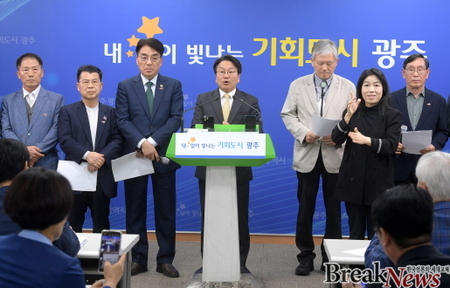
 ▲ 경실련은 "공천 개혁에 대한 진정성은 말뿐이 아닌 행동으로 증명되어야 한다"며, 중앙당이 관리자로서 예외 없는 공천 배제 기준을 적용하고 내부 고발자 보호 등 제도적 장치 마련에 즉각 나설 것을 강력히 촉구했다. © 사진, 경실련 제공 |
경실련은 29일 성명을 통해 "현역 의원과 지역위원장이 당연직처럼 공관위에 참여해 공천권을 행사하던 관행을 깨고 외부 인사 위주로 공관위를 구성한 것은 긍정적"이라며 환영의 뜻을 밝혔다. 하지만 "단순한 인적 구성을 넘어 공천 비리의 뿌리를 뽑기 위한 구조적 개선이 병행되어야 한다"고 강조했다.
■ 현역 배제 원칙, 실질적 영향력 차단으로 이어져야
경실련은 공관위에서 현역 의원이 배제되더라도 시도당 위원장이 추천권을 쥐고 있는 한, 이른바 '자기 사람 심기'를 통한 막후 영향력 행사가 여전할 수 있다고 우려했다. 이에 대한 해법으로 ▲공천관리위원 명단 즉각 공개 ▲공관위 회의록 공개 등을 통해 투명성을 확보할 것을 촉구했다.
특히 일부 시도당(경기도당 등)에서 현역 의원 배제 방침에 반발하거나, 중앙당의 방침이 확정되기도 전에 이미 공천 작업이 막바지에 이르렀다는 의혹이 제기되는 점을 지적하며 "중앙당 차원의 철저한 점검과 관리가 필요하다"고 강조했다.
■ 공천 비리 의혹 전수조사 및 법제화 시급
성명서는 최근 불거진 강선우·김병기 의원 등 공천헌금 비리 의혹에 대해서도 날을 세웠다. 경실련은 "민주당이 이를 개인의 일탈로 치부하며 기록물 폐기 등을 이유로 조사를 회피해서는 안 된다"며 ▲공천 비리 전수조사 실시 ▲공천 심사 기준 법제화 ▲정치자금 수수 법적 제재 강화를 요구했다.
■ 여야 공히 "공천 투명성 강화 동참하라“
무늬만 개혁 안 돼, 시도당 밀실 공천, 공천헌금 비리 전수조사 외면...민주당·국힘에 제도 개선 압박
경실련은 국민의힘을 향해서도 공천 개혁 대열에 합류할 것을 주문했다. 지방선거가 '풀뿌리 민주주의'의 장이 되기 위해서는 거대 양당 모두가 기득권을 내려놓고 투명한 공천 시스템을 구축해야 한다는 취지다.
마지막으로 경실련은 "공천 개혁에 대한 진정성은 말뿐이 아닌 행동으로 증명되어야 한다"며, 중앙당이 관리자로서 예외 없는 공천 배제 기준을 적용하고 내부 고발자 보호 등 제도적 장치 마련에 즉각 나설 것을 강력히 촉구했다.
■ 현행 지방자치 3단계 구조를 2단계 축소...수 천억원 예산 절감
하지만 무보수 명예직에서 출발한 지방자치제도의 근본적 해결 방안으로의 접근은 없을까? 공천 비리와 세금 낭비를 동시에 해결하는 방안은 없는가? 권한은 분산하고, 과정은 공개하며, 조직은 슬림화하는 방안. AI 시대에 현행 국회의원, 시의원, 구의원 3단계를 2단계로 조정하고 그 기능을 광역의회나 시민이 직접 참여하는 플랫폼으로 옮겨 가는 방안은 어떤가? 고민할 때이다.
1991년 지방자치제가 재개될 당시, 지방의원은 지역사회를 위해 봉사하는 '무보수 명예직'이 원칙이었다. 하지만 2006년 유급제가 도입된 이후, 세금 부담은 늘어난 반면 그에 걸맞은 전문성이나 청렴도는 보여주지 못한다는 비판이 거세다.
따라서 공천 비리와 세금 낭비를 동시에 해결하면서, 당초의 '봉사 정신'을 회복할 수 있는 구체적인 방안은 첫째, 기초의회 폐지 및 '광역의회 일원화' (단계 축소)가장 확실한 세금 절감 방안이다. 현재 시·군·구 단위의 기초의회를 없애고 광역의회(시·도의회)로 통합하는 것. 둘째, 세금 낭비 해결 방안은 전국 226개 기초의회에 들어가는 의정비, 사무국 운영비, 의정 활동비 등 매년 수천억 원에 달하는 예산을 즉각 절감할 수 있다. 셋째, 공천 비리 해결은 기초의원이 사라지면 국회의원이 자신의 선거 운동원처럼 부리던 '정치적 하수인' 구조가 무너지게 된다.
그런 측면에서 정당 공천제 폐지 (지방정치의 독립)지방의원이 지역 주민이 아닌 '국회의원'의 눈치만 보게 만드는 근본 원인인 정당 공천제를 폐지하는 것이다. 정당의 꼬리표를 떼고 지역 선거에 임하게 되면, 국회의원에게 공천헌금을 바치거나 줄을 설 필요가 없게 된다. 인물 중심은 적대적 공생관계인 기득권 정당의 기호(1번, 2번) 뒤에 숨지 못하게 되므로, 진짜 실력 있는 지역 전문가들만 생존하게 된다. 따라서 '무보수 명예직'의 초심이 사라진 자리에 '직업 정치인'의 기득권만 남은 제도적 폐악을 바로잡기 위해서는 단순히 월급을 줄이는 수준을 넘어, 기초의회 자체를 통폐합하여 행정 단계를 줄이고 공천권을 시민에게 돌려주는 구조적 결단이 필요한 시기가 다가 온것 같다. hpf21@naver.com
*아래는 위 기사를'구글 번역'으로 번역한 영문 기사의[전문]입니다. '구글번역'은 이해도 높이기를 위해 노력하고 있습니다.영문 번역에 오류가 있을 수 있음을 전제로 합니다.*The following is [the full text] of the English article translated by 'Google Translate'. 'Google Translate' is working hard to improve understanding. It is assumed that there may be errors in the English translation.
Citizens' Coalition for Economic Justice (CCEJ): "We welcome the Democratic Party's decision to exclude incumbent lawmakers from the Public Official Nomination Committee, but...the committee members' lists and meeting minutes must be made public."
A full investigation into nomination corruption must be conducted and the committee members' lists and meeting minutes must be made transparent.
The People Power Party also urges the party to "participate in nomination reform and legislate system improvements."
Break News, Political Reporter Kim Choong-Lyoul = Following the Democratic Party's recent decision to minimize the number of incumbent lawmakers on the local election Nomination Management Committee (PNC), the Citizens' Coalition for Economic Justice (CCEJ) praised this move as a "desirable move," but also strongly demanded additional measures for substantive nomination reform.
CCEJ released a statement on the 29th, stating, "It is positive that the committee has been formed primarily with outsiders, breaking the tradition of incumbent lawmakers and regional committee chairs participating in the committee as ex officio members and exercising their nomination authority." However, they emphasized that "structural improvements must be made in parallel to eradicate corruption in nominations, beyond mere personnel composition."
■ The principle of excluding incumbent lawmakers must lead to a severance of real influence.
The Citizens' Coalition for Economic Justice expressed concern that even if incumbent lawmakers are excluded from the Public Officials Nomination Committee, as long as provincial party chairs retain the power to recommend candidates, behind-the-scenes influence through "planting their own people" could persist. To address this, they urged transparency through measures such as the immediate disclosure of the list of nomination management committee members and the disclosure of the minutes of the Public Officials Nomination Committee meetings.
In particular, they pointed out that some provincial party chapters (such as the Gyeonggi Provincial Chapter) are opposing the policy of excluding incumbent lawmakers, and that suspicions have been raised that the nomination process is already in its final stages before the central party's policy has been finalized. They emphasized that "thorough oversight and management at the central party level is necessary."
■ Urgent Need for Comprehensive Investigation and Legislation into Nomination Corruption Allegations
The statement also criticized the recent allegations of corruption in nomination donations, including those involving lawmakers Kang Sun-woo and Kim Byung-ki. The Citizens' Coalition for Economic Justice (CCEJ) stated, "The Democratic Party should not dismiss these allegations as individual misconduct and avoid investigations by citing reasons such as the destruction of records." The CCEJ demanded: ▲ Conduct a comprehensive investigation into nomination corruption, ▲ Legislate nomination screening standards, and ▲ Strengthen legal sanctions against accepting political funds.
■ Both the ruling and opposition parties: "Participate in strengthening nomination transparency"
Superficial reforms are not enough: Provincial and municipal parties are conducting nominations behind closed doors, ignoring a comprehensive investigation into nomination donation corruption... Pressure is being placed on the Democratic Party and the People Power Party to improve their systems.
CCEJ also urged the People Power Party to join the ranks of those pushing for nomination reform. Their argument is that for local elections to become a venue for "grassroots democracy," both major parties must relinquish their vested interests and establish a transparent nomination system.
Finally, the Citizens' Coalition for Economic Justice stated, "The sincerity of nomination reform must be proven not through words but through actions." The central party strongly urged the party, as an administrator, to immediately implement nomination exclusion criteria without exception and establish institutional measures, such as whistleblower protections.
■ Reducing the Current Three-Tier Local Autonomy Structure to Two...Hundreds of Billion Won in Budget Savings
But isn't there a fundamental solution to the local autonomy system, which began as an unpaid honorary position? Is there a way to simultaneously address nomination corruption and tax waste? Decentralize authority, make the process transparent, and streamline the organization. In the age of AI, what about reducing the current three-tier system of National Assembly members, city council members, and district council members to two tiers and shifting their functions to regional councils or platforms where citizens can directly participate? It's time to consider this.
When the local autonomy system was reinstated in 1991, local council members were essentially "unpaid honorary positions" dedicated to serving the local community. However, since the introduction of the deferred payment system in 2006, criticism has grown that the tax burden has increased while the professionalism and integrity of the candidates have not been commensurate.
Therefore, concrete measures to simultaneously address nomination corruption and tax waste, while restoring the original "spirit of service," are as follows: First, abolishing local councils and unifying (downscaling) metropolitan councils is the most effective way to reduce taxes. This involves eliminating the current city, county, and district-level local councils and integrating them into metropolitan councils (city and provincial councils). Second, addressing tax waste can immediately reduce the annual budget of hundreds of billions of won for the 226 local councils nationwide, including legislative expenses, secretariat operating expenses, and legislative activity expenses. Third, addressing nomination corruption will also lead to the collapse of the "political puppet" structure that National Assembly members used as campaign staff.
In this regard, the abolition of the party nomination system (making local politics independent) is essential. The fundamental reason local council members are only concerned with the "National Assembly" rather than the local residents is the abolition of the party nomination system. By removing the party label and running local elections, they will no longer need to donate to National Assembly members or stand in line. Since the focus on personalities will no longer be hidden behind the symbols (numbers 1 and 2) of the vested parties, which are in a symbiotic relationship with each other, only truly competent local experts will survive. Therefore, to rectify the institutional corruption that has left behind the vested interests of "professional politicians" in the place of the original intention of "unpaid honorary positions," we need to go beyond simply reducing salaries. It seems the time has come for a structural decision: integrating local councils themselves, reducing administrative layers, and returning nomination power to the citizens. hpf21@naver.com