▲ 대한민국교육감협의회 © 박상도 기자 |
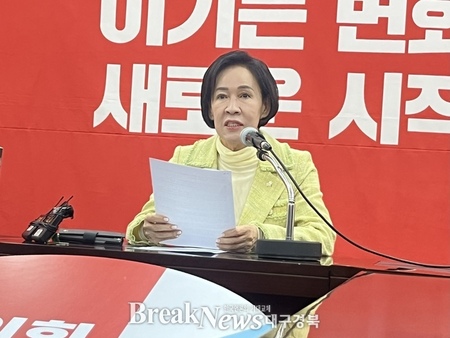
(브레이크뉴스인천 박상도 기자) 대한민국교육감협의회(회장 강은희 대구광역시교육감, 이하 협의회)가 지난 29일, 최근 행정통합 특별법안을 마련 중인 국회와 정부를 향해, 초광역 행정체제 추진 속에서 진정한 교육자치 실현이 이루어져야 한다며, 교육의 본질을 지키는 통합 특별법 제정을 촉구하는 입장문을 발표했다.
협의회는 입장문을 통해 “행정통합에 대해 막중한 책임감을 느끼며 현 체계를 변화시킬 동력으로 인지하고 있다.”며, “교육자치의 헌법적 가치를 지켜나가면서 더 발전적인 방향의 통합으로 나아갈 것을 강력히 요청한다.”고 밝혔다.
다음으로“초광역 행정구역의 통합은 필연적으로 교육 격차 해소와 통합 교육인프라 구축이라는 막대한 재정 수요를 야기한다.”라며, “통합특별시 교육의 질적 도약을 위해 ‘통합특별교육교부금’의 별도 신설과 명문화를 촉구한다.”고 했다.
또한, “교육장은 지역 교육을 관장하는 자리로, 높은 전문성과 정치적 중립성이 요구된다.”며 “교육행정의 안정성과 전문성을 유지하기 위해, 교육장의 자격과 임용 기준은 현행 법령의 취지를 존중하고, 교육공동체의 충분한 논의 후 결정되기를 요구한다.”고 했다.
마지막으로“도시와 농어촌 교육의 특수성을 모두 포용하기 위해서는 부교육감 수를 최소 3명 이상으로 확대하여야 하며, 특히 현장의 목소리를 교육행정에 유연하게 반영할 수 있도록 지역교육의 실태를 잘 이해하고 있는 지방공무원 임용 기준이 반드시 포함되기를 촉구한다.”고 강조했다.
입장문 전문은 다음과 같다.
진정한 교육자치 실현을 위한 대한민국교육감협의회 입장문
교육의 본질을 지키는 통합 특별법 제정 촉구
대한민국교육감협의회(회장 강은희 대구광역시교육감, 이하 협의회)는 최근 진행 중인 초광역 행정체제 통합 추진 과정에서 진정한 교육자치 실현의 기회가 되기를 바라는 마음으로 17개 시도교육감의 뜻을 모아 다음과 같이 입장을 밝힌다.
대전·충남, 광주·전남, 대구·경북 등 대한민국의 미래를 위한 행정통합의 큰 물결이 시작되었다. 그러나 현재 논의 중인 특별법안에 담긴 교육 분야 관련 내용은 우리 아이들의 미래를 담보하기에는 여전히 부족하며, 오히려 교육 자치를 위축시킬 우려가 크다. 이에 우리 협의회는 향후 행정통합 특별법 제정 과정에서 다음의 사항들이 충분히 반영되기를 강력히 촉구한다.
1. 교육의 자주성·전문성·정치적 중립성의 교육자치 본질 수호
우리 협의회는 행정통합에 대해 막중한 책임감을 느끼며 현 체계를 변화시킬 동력으로 인지하고 있다. 그러나 교육청과 교육공동체의 목소리를 반영하지 않고, 초광역 행정체제 통합이라는 행정 효율성에 매몰되어 교육자치의 본질이 외면받는 현 상황에 깊은 우려를 표한다.
교육이 행정통합 추진 과정에서 소외되지 않고 자주성·전문성·정치적 중립성이라는 교육자치의 헌법적 가치를 지켜나가면서 더 발전적인 방향의 통합으로 나아갈 것을 강력히 요청한다.
2. 혁신적 교육 투자를 위한 재정 보장
정부의 현 제안은 통합 이전 수준의 예산 보장조차도 어려울 수 있어, 소극적인 재정 지원으로 후퇴할 수 있다. 그러나 초광역 행정구역의 통합은 필연적으로 교육 격차 해소와 통합 교육인프라 구축이라는 막대한 재정 수요를 야기한다.
안정적인 재정적 기반 없는 통합은 교육의 하향 평준화만을 초래할 뿐이다. ‘이전 수준 보장’이라는 수동적 접근을 넘어, 통합특별시 교육의 질적 도약을 위해 ‘통합특별교육교부금’의 별도 신설과 명문화를 촉구한다.
3. 교육 행정의 전문성과 중립성 확보를 위한 ‘교육장 자격 및 임용 방식’의 신중한 접근
교육장은 지역 교육을 관장하는 자리로, 높은 전문성과 정치적 중립성이 요구된다. 현재 제안된 개방형 공모직 전환 및 권한 위임 확대 방안은 교육 자치의 본질을 훼손하고, 교육 현장을 정치적 이해관계에 노출시킬 가능성이 크다. 교육행정의 안정성과 전문성을 유지하기 위해, 교육장의 자격과 임용 기준은 현행 법령의 취지를 존중하고, 교육공동체의 충분한 논의 후 결정되기를 요구한다.
4. 확대된 행정 구역과 특수성을 반영한‘부교육감 직제 현실화’
초광역 행정체제인 통합특별시는 대도시의 과밀학급 문제와 농어촌의 학령인구 소멸 문제를 동시에 해결해야 하는 전례 없는 도전에 직면하게 된다. 그럼에도 불구하고, 교육행정을 책임지는 부교육감 수를 2명으로 제한하는 것은 교육이 처한 상황의 중요성을 충분히 고려하지 않은 결과이다.
도시와 농어촌 교육의 특수성을 모두 포용하기 위해서는 부교육감 수를 최소 3명 이상으로 확대하여야 하며, 특히 현장의 목소리를 교육행정에 유연하게 반영할 수 있도록 지역교육의 실태를 잘 이해하고 있는 지방공무원 임용 기준이 반드시 포함되기를 촉구한다.
행정통합의 궁극적인 목적은 지역 주민의 삶의 질 향상과 미래 세대에게 더 나은 기회 제공이다. 교육은 단순히 행정통합의 부수적 사안이 아니라, 통합특별시의 지속가능한 발전을 이끄는 핵심 동력이다. 국회와 정부는 교육 현장의 목소리를 통합의 핵심 가치로 인식하고, 미래세대를 위한 전향적 결단으로 책임 있는 특별법 제정을 강력히 요청한다.
2026년 1월 29일
대한민국교육감협의회
*아래는 위 기사를 ‘구글 번역’으로 번역한 영문 기사의 [전문]입니다.‘구글번역’은 이해도 높이기를 노력하고 있습니다. 영문 번역에 오류가 있을 수 있음을 전제로 합니다.<*Below is the full text of the English translation of the above article, translated using Google Translate. Google Translate strives to improve comprehension. Please understand that there may be errors in the English translation.>
The Korean Council of Superintendents of Education Releases a Statement: "Calling for the Enactment of a Special Act on Integration to Protect the Essence of Education"
-Break News Incheon Park Sang-do Reporter
On the 29th, the Korean Council of Superintendents of Education (Chairman Kang Eun-hee, Superintendent of Education of Daegu Metropolitan City, hereinafter referred to as the Council) released a statement to the National Assembly and the government, which are currently drafting a special law on administrative integration. The statement urges the enactment of a special law on integration that protects the essence of education, arguing that true educational autonomy must be achieved amidst the promotion of a super-metropolitan administrative system.
In its statement, the Council stated, "We feel a profound sense of responsibility for administrative integration and recognize it as a driving force for change in the current system. We strongly urge you to move forward with a more progressive integration while upholding the constitutional value of educational autonomy."
Next, they stated, "The integration of metropolitan administrative districts inevitably leads to enormous financial demands for addressing educational gaps and building integrated education infrastructure." They added, "To achieve a qualitative leap in education in the integrated special city, we urge the establishment and formalization of a separate 'Integrated Special Education Grant.'"
Furthermore, they stated, "Superintendents of Education, as positions overseeing regional education, require a high level of expertise and political neutrality." They added, "To maintain the stability and professionalism of educational administration, we demand that the qualifications and appointment criteria for superintendents of education respect the intent of current laws and be determined after sufficient discussion within the educational community."
Finally, they emphasized, "To accommodate the unique characteristics of both urban and rural education, the number of deputy superintendents of education should be expanded to at least three. In particular, we urge the inclusion of criteria for hiring local government officials with a deep understanding of regional education to flexibly reflect the voices of those on the ground in educational administration."
The full statement is as follows:
Statement from the Korean Council of Superintendents of Education for the Realization of True Educational Autonomy
Calling for the Enactment of a Special Act to Protect the Essence of Education
The Korean Council of Superintendents of Education (Chairperson Kang Eun-hee, Superintendent of Education of Daegu Metropolitan City, hereinafter referred to as the Council) expresses the following position, gathered together by the 17 superintendents of education, in the hope that the ongoing process of integrating the super-regional administrative systems will serve as an opportunity to realize true educational autonomy.
A major wave of administrative integration has begun for the future of Korea, including Daejeon and South Chungcheong Province, Gwangju and South Jeolla Province, and Daegu and North Gyeongsang Province. However, the education-related provisions contained in the special law currently under discussion are still inadequate to secure the future of our children and, in fact, pose a significant risk of undermining educational autonomy. Therefore, the Council strongly urges that the following issues be fully reflected in the enactment of the special law for administrative integration:
1. Protecting the Essence of Educational Autonomy: Autonomy, Expertise, and Political Neutrality
The Council feels a profound sense of responsibility for administrative integration and recognizes it as a driving force for change in the current system. However, we express deep concern about the current situation, where the voices of the Office of Education and the educational community are not reflected, and the essence of educational autonomy is neglected, while being preoccupied with administrative efficiency through the integration of the metropolitan administrative system.
We strongly urge that education not be marginalized in the administrative integration process, but rather advance toward a more progressive integration while upholding the constitutional values of educational autonomy—autonomy, expertise, and political neutrality.
2. Financial Security for Innovative Education Investment
The government's current proposal may struggle to even secure pre-integration budget levels, leading to a potential regression to passive financial support. However, the integration of metropolitan administrative districts inevitably creates enormous financial demands to address educational disparities and build integrated educational infrastructure.
Integration without a stable financial foundation will only lead to a downward standardization of education. Beyond the passive approach of "guaranteeing previous levels," we urge the establishment and codification of a separate "Integrated Special Education Grant" to achieve a qualitative leap in education in the integrated metropolitan city.
3. A Prudent Approach to the "Qualifications and Appointment Methods of Superintendents of Education" to Ensure Professionalism and Neutrality in Education Administration
Superintendents of education oversee local education, requiring a high level of expertise and political neutrality. The currently proposed transition to an open competitive system and expanded delegation of authority are highly likely to undermine the essence of educational autonomy and expose educational settings to political interests. To maintain stability and professionalism in educational administration, the qualifications and appointment criteria for superintendents of education must respect the intent of current laws and be determined after sufficient discussion within the educational community.
4. Implementing a "Realistic Deputy Superintendent of Education System" to Reflect Expanded Administrative Districts and Their Special Needs
As a super-metropolitan administrative system, the Unified Special City faces the unprecedented challenge of simultaneously addressing overcrowded classes in large cities and the declining school-age population in rural areas. Despite this, limiting the number of deputy superintendents of education to two fails to adequately consider the critical situation facing education.
To fully embrace the unique characteristics of urban and rural education, the number of deputy superintendents of education should be expanded to at least three. In particular, we urge the inclusion of hiring criteria for local government officials with a thorough understanding of regional education conditions to flexibly reflect the voices of those in the field in educational administration.
The ultimate goal of administrative integration is to improve the quality of life for local residents and provide better opportunities for future generations. Education is not simply a secondary issue to administrative integration, but a key driving force behind the sustainable development of the integrated special city. We strongly urge the National Assembly and the government to recognize the voices of those in the field as a core value of integration and to enact a responsible special law as a forward-looking decision for future generations.
January 29, 2026
Korean Council of Superintendents of Education
원본 기사 보기:ebreaknews.com