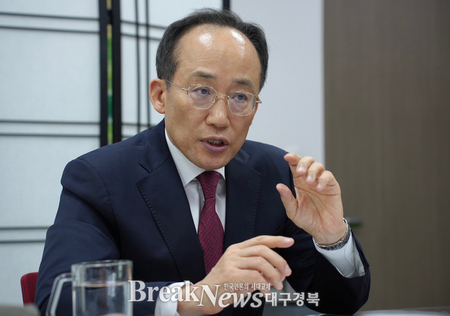
박철성 대기자 <리서치센터 국장·칼럼니스트>
■ 지금 정부 앞에 놓인 선택을 짚어본다
요즘 환율 상승을 설명하는 정부의 언어는 비교적 단순하다.
“해외 주식에 투자하는 개인이 늘면서 달러 수요가 증가했다”는 것이다.
여기서 말하는 개인은 흔히 ‘서학개미’로 불린다.
미국 주식과 해외 자산에 투자하는 개인 투자자들이다.
이들이 달러를 사들이며 환율을 밀어 올렸다는 설명이다.
이 설명은 일부 사실이다.
그러나 이 설명만으로 환율을 이해하기에는 결정적인 장면이 빠져 있다.
■ 같은 시기 드러난 또 하나의 사실
같은 시기 공개된 고위 공직자 재산 자료를 보면,
정부를 구성하는 상당수 인사 역시 해외 주식을 보유하고 있다.
종목은 개인 투자자들과 크게 다르지 않다.
테슬라, 엔비디아, 애플, 마이크로소프트 등
대표적인 미국 상장 대형 기술주들이 다수 포함돼 있다.
보유 방식 역시 장기 보유, 가족 명의 분산 보유 등
일반 개인 투자자와 구조적으로 큰 차이가 없다.
이 사실은 폭로나 내부 취재 결과가 아니다.
정부가 제도에 따라 직접 공개한 공식 자료다.
■ 환율을 둘러싼 또 하나의 변수
이런 가운데 미국 정부는 최근 한국을 환율 관찰 대상국 명단에 다시 포함시켰다.
미 재무부가 의회에 제출한 반기 환율 보고서에서 한국은 기존 관찰 대상국 지위를 유지했으며, 환율조작국으로 지정된 국가는 없었다.
청와대는 이에 대해 “관찰국 재지정은 미국 재무부의 평가 기준에 따른 기계적 결과”라며 “보고서에서도 원화 약세가 한국의 경제 펀더멘털과 괴리가 있다는 점이 언급됐다”고 설명했다.
다만 미국 정부와의 환율 관련 소통은 계속 이어가겠다는 입장이다.
■ 불법이냐의 문제가 아니다
고위 공직자의 해외 주식 보유는 현행법상 불법이 아니다.
직무 관련성이 없다고 판단되면 보유 자체는 허용된다.
따라서 이 사안을 도덕성이나 위법성 문제로 끌고 갈 필요는 없다.
문제의 핵심은 다른 데 있다.
환율을 설명하는
정부의 메시지와 실제 행동 사이의 간극이다.
■ 환율 설명의 주어가 바뀐 순간
정부가 환율 상승을 설명하면서
정책 구조나 글로벌 환경보다
개인의 해외 투자를 전면에 내세운 순간,
환율 설명의 주어는
정책과 구조에서 개인의 선택으로 이동했다.
이때 시장은 단순히 환율 수치만 보지 않는다.
정부가 책임을 어디에 두고 있는지를 읽는다.
정책을 설계하고 집행하는 위치에 있는 인물들 역시
동시에 해외 자산을 보유하고 있다면,
시장은 이 신호를 이렇게 해석한다.
정부 스스로도 확신이 없는 것 아니냐.
■ 설명이 흔들리면 정책도 흔들린다
이 지점부터 환율 정책의 효과는 약해진다.
설명이 설득이 아니라 변명처럼 보이기 시작하기 때문이다.
환율은 숫자이지만,
정책은 신뢰로 작동한다.
신뢰가 흔들리면
시장은 정부의 말을 기다리지 않는다.
먼저 움직인다.
■ 이제 문제는 선택이다
그래서 지금의 환율 논쟁은
누가 샀느냐, 누가 잘못했느냐의 문제가 아니다.
이제 남은 것은
정부가 어떤 선택을 할 것인가다.
지금 정부 앞에는
분명한 두 갈래 길이 놓여 있다.
■ 환율을 지키는 선택
첫 번째는 환율 안정에 최우선을 두는 선택이다.
외국인 자금 유입을 서두르지 않고
환율 변동성을 최대한 억제하는 방식이다.
이 경우 환율은 비교적 안정될 수 있다.
그러나 시장의 회복 속도는 느려진다.
외국인은 관망하고,
기관과 연기금은 판단을 늦춘다.
지수는 버틸 수 있지만
체감 경기는 답답해진다.
■ 시장을 먼저 움직이게 두는 선택
두 번째는 시장의 움직임을 받아들이는 선택이다.
외국인 자금 유입을 허용하고
주식 시장 회복에 속도를 붙이는 방식이다.
이 경우 주가는 빠르게 반응할 수 있다.
그러나 환율 변동성, 물가 압력 같은 부담도 함께 커진다.
이때 정부가 책임 있는 설명과 대응을 하지 못하면
충격은 그대로 개인의 계좌로 전달된다.
■ 동시에 갈 수는 없다
중요한 점은
이 두 선택을 동시에 할 수 없다는 사실이다.
환율을 꼭 잡겠다고 하면
시장은 느려진다.
시장을 빠르게 살리겠다고 하면
환율 변동을 감수해야 한다.
그래서 이 문제는
정책 기술의 문제가 아니라
정권의 결단 문제다.
■ ‘서학개미’가 호출된 이후
앞서 정부가 환율 설명에서
개인을 먼저 호출한 순간,
이 선택은 더 이상 미룰 수 없게 됐다.
이제 논쟁의 초점은 분명하다.
누구 탓이냐가 아니라, 어떤 길을 갈 것이냐다.
■ 지금은 설명의 국면이 아니다
앞으로 정부가
“안정적으로 관리하고 있다”는 말을 반복한다면
시장은 그것을 속도 조절 신호로 읽을 것이다.
반대로 시장이 먼저 움직이기 시작한다면
그만큼 환율과 물가의 변동성도 커질 수 있다.
지금은 설명의 국면이 아니다.
선택의 국면이다.
■ 그래서 개인은 무엇을 봐야 하나
이 기사는 투자 조언을 하지 않는다.
다만 개인이 지금 국면을 판단하기 위해 확인해야 할 지점은 분명하다.
첫째, 정부의 말이 아니라 행동이다.
환율을 잡겠다는 발언보다 실제 개입 여부를 봐야 한다.
둘째, 외국인의 방향이 아니라 속도다.
하루 수치보다 자금 유입이 이어지는지를 봐야 한다.
셋째, 연기금의 움직임보다 멈춤이다.
연기금이 나서지 않는다면 정부도 결정을 미루고 있을 가능성이 크다.
넷째, 지수보다 종목의 체감이다.
지수는 버티는데 성장주가 말라간다면 시장은 이미 속도를 늦추고 있다.
다섯째, 환율의 방향보다 변동성이다.
숫자보다 하루 변동 폭이 커지기 시작하면 부담은 커지고 있다는 신호다.

|
▲청와대 전경. 한국이 미국의 환율 관찰 대상국 지위를 유지한 가운데, 환율과 자본 흐름을 둘러싼 정책 선택의 부담은 정부의 판단 영역으로 다시 돌아왔다.
■ 갈림길에 선 정부
환율 문제는 끝난 것이 아니다.
지금은 정부의 말을 기다리는 시간이 아니라
정부의 선택을 기다리는 시간이다.
그 선택이 무엇이냐에 따라
시장도, 개인의 계좌도
전혀 다른 방향으로 움직이게 된다.
지금 우리는 그 갈림길 한가운데에 서 있다.
아래는 위 기사를 구글 번역을 통해 영문으로 옮긴 전문입니다. 이해를 돕기 위한 참고용 번역으로, 일부 표현에는 원문의 뉘앙스와 차이가 있을 수 있습니다.
The following is a reference translation generated for reader convenience. Some nuances may differ from the original Korean text.
■ ② When the exchange rate rose, why did the government put “retail overseas investors” at the forefront
■ Breaking down the choice now facing the government
By Park Cheol-seong, Veteran Journalist
<Director of the Research Center · Columnist>
The government’s explanation for the recent rise in the exchange rate has been relatively simple.
It argues that increased overseas stock investment by individuals has boosted demand for U.S. dollars.
The individuals referred to here are commonly labeled “retail overseas investors,” or *Seohak Ants* in Korea—individual investors who buy U.S. stocks and foreign assets. According to the explanation, their dollar purchases pushed the exchange rate higher.
This explanation is partly true.
But it leaves out a decisive part of the picture.
■ Another fact revealed at the same time
Asset disclosures released during the same period show that a significant number of senior government officials also hold overseas stocks.
Their portfolios are not markedly different from those of retail investors.
Tesla, Nvidia, Apple, and Microsoft—widely recognized as representative U.S. large-cap technology stocks among Korean retail investors—appear repeatedly.
The investment structures are also similar: long-term holdings, assets distributed among family members, and other common retail investment patterns.
This information did not come from leaks or investigative exposés.
It comes from official disclosures released by the government itself under existing rules.
■ Another variable surrounding the exchange rate
Against this backdrop, the U.S. government recently reaffirmed South Korea’s inclusion on its currency monitoring list.
In its semiannual foreign exchange report submitted to Congress, the U.S. Treasury maintained South Korea’s monitoring status. No country was designated as a currency manipulator.
The presidential office responded by stating that the designation was a “mechanical result” based on Treasury criteria, adding that the report itself noted that the weakness of the Korean won did not align with the country’s economic fundamentals.
At the same time, it said communication with the U.S. government on exchange-rate issues would continue.
■ This is not a question of legality
Holding overseas stocks is not illegal for senior public officials under current law.
As long as no direct conflict of interest is identified, such holdings are permitted.
There is therefore no need to frame this issue as one of morality or legality.
The core problem lies elsewhere.
It lies in the gap between the government’s message and its actual behavior when explaining the exchange rate.
■ The moment the subject of explanation shifted
When the government explained the exchange-rate increase by placing individual overseas investment at the center—rather than policy structure or global conditions—the subject of the explanation shifted.
Responsibility moved from policy and structure to individual choice.
Markets do not simply read exchange-rate numbers.
They read where responsibility is being placed.
When those designing and executing policy are themselves holding overseas assets at the same time, markets translate the signal this way:
Does the government itself lack conviction?
■ When explanations wobble, policy weakens
From this point, the effectiveness of exchange-rate policy diminishes.
The explanation begins to look less like persuasion and more like justification.
Exchange rates are numerical.
Policy, however, operates on trust.
Once trust weakens, markets do not wait for government statements.
They move first.
■ The issue now is choice
This is why the current exchange-rate debate is not about who bought what or who is at fault.
What remains is a question of choice.
The government now stands clearly at a crossroads.
■ Choosing to defend the exchange rate
The first path prioritizes exchange-rate stability above all else.
It involves restraining volatility and not rushing foreign capital inflows.
Under this option, the exchange rate may remain relatively stable.
But the pace of market recovery slows.
Foreign investors wait.
Institutions and pension funds delay decisions.
Indices may hold, but economic sentiment remains heavy.
■ Letting the market move first
The second path accepts market momentum.
It allows foreign capital inflows and accelerates equity-market recovery.
Stock prices may respond quickly under this approach.
But exchange-rate volatility and inflationary pressure rise alongside it.
If the government fails to provide responsible explanations and responses, the impact is transmitted directly to individual portfolios.
■ Both paths cannot be taken at once
The crucial point is that these two options cannot be pursued simultaneously.
If the government insists on firmly defending the exchange rate, the market slows.
If it prioritizes rapid market recovery, exchange-rate volatility must be tolerated.
This is not a matter of policy technique.
It is a matter of political decision.
■ After “retail investors” were called forward
Once the government placed individuals at the forefront of its exchange-rate explanation, delaying this decision became impossible.
The focus of debate is now clear.
It is no longer about blame, but about direction.
■ This is no longer a phase of explanation
If the government continues to repeat that the situation is being “managed stably,” markets will interpret that as a signal of controlled speed.
If the market begins to move first, volatility in exchange rates and prices will increase accordingly.
This is no longer a phase of explanation.
It is a phase of choice.
■ What individuals should watch
This article offers no investment advice.
But there are clear points individuals should watch to understand the current phase.
First, actions over words.
Actual intervention matters more than statements about stability.
Second, speed rather than direction of foreign flows.
Daily figures matter less than whether inflows are sustained.
Third, pauses rather than moves by pension funds.
If public funds remain inactive, the government may also be postponing decisions.
Fourth, felt performance over index levels.
If indices hold while growth stocks weaken, the market is already slowing.
Fifth, volatility over direction.
Rising daily swings signal growing pressure regardless of trend.
|
|
▲The presidential office in Seoul. As South Korea maintains its status on the U.S. currency monitoring list, the burden of policy choices regarding exchange rates and capital flows has returned squarely to the government.
■ A government at the crossroads
The exchange-rate issue is not over.
This is no longer a time to wait for government statements.
It is a time to wait for government decisions.
Depending on that choice,
markets—and individual portfolios—will move in entirely different directions.
We are standing at that crossroads now.
원본 기사 보기:호주브레이크뉴스