고양특례시가 일산신도시 재건축 사업의 핵심 쟁점인 '기준용적률'에 대해 단순히 수치상의 높낮이가 아닌 '증가 비율'과 '주거 환경의 쾌적성'을 종합적으로 고려해야 한다는 입장을 분명히 했다.
최근 일각에서 일산의 기준용적률(300%)이 타 1기 신도시에 비해 낮다는 지적이 제기되자, 시는 데이터 분석을 통해 일산의 재건축 조건이 결코 불리하지 않음을 강조하며 기반시설을 고려한 장기적 안목을 당부했다.
고양시에 따르면 1기 신도시 중 일산의 현재 평균용적률은 172%로 가장 낮다.
이는 1990년대 개발 당시 저밀도의 쾌적한 주거단지를 목표로 설계됐기 때문이다.
이를 바탕으로 설정된 재건축 기준용적률은 일산 300%, 분당 326%, 평촌·산본 330%, 중동 350% 순이다.
단순히 최종 수치만 보면 일산이 가장 낮아 보이지만, 현재 용적률 대비 증가 비율을 따져보면 결과는 달라진다.
일산: 172% → 300% (1.74배)
분당: 184% → 326% (1.77배)
평촌/중동: 1.62배
산본: 1.59배
분석 결과, 일산의 용적률 증가 비율은 분당에 이어 두 번째로 높았다.
시 관계자는 “일산 재건축은 다른 신도시에 비해 상대적으로 유리한 조건에 있으며, 보수적으로 보더라도 결코 불리한 수준이 아니다”라고 설명했다.
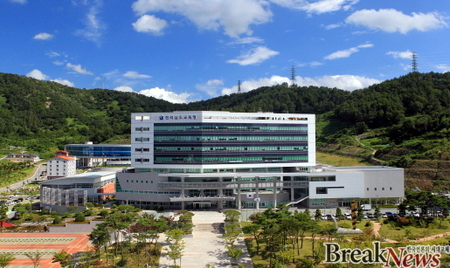
 ▲ 사진제공=고양시/일산신도시 전경 |
고양시는 일부 주민들이 요구하는 용적률 추가 상향(326% 이상)에 대해 우려를 표했다.
과도한 용적률 적용은 인구와 세대수 급증을 불러오며, 이에 따른 도로·상하수도·학교 등 기반시설 확충 비용(공공기여) 또한 주민이 부담해야 하기 때문이다.
시는 무분별한 용적률 상향이 자칫 ‘빽빽한 닭장 아파트’를 양산하고, 일조권 저하 및 교통 대란 등 도시 과부하를 초래할 수 있다고 경고했다.
특히 이미 자리를 잡은 기존 상가와 주택가 사이에서 도로를 확장하는 것이 물리적으로 어렵다는 점도 큰 걸림돌이다.
이동환 고양특례시장은 재건축이 단순한 건물 신축이 아닌 도시 전체를 새롭게 설계하는 과정임을 강조했다.
이 시장은 “지금 당장의 사업성만 쫓을 것이 아니라, 도로와 철도 등 도시 기반시설이 감당할 수 있는 범위 내에서 건축계획을 수립해야 한다”며 “그래야만 시민 편익을 우선시하는 쾌적한 주거환경과 미래 도시 경쟁력을 확보할 수 있다”고 밝혔다.
한편, 고양시는 지난해 6월 노후계획도시 정비기본계획 고시 이후, 각 특별정비예정구역에 대해 사전 자문 등 ‘패스트트랙’ 지원을 지속하며 신속하고 합리적인 재건축 추진에 박차를 가하고 있다.
*아래는 위 기사를 '구글 번역'으로 번역한 영문 기사의 [전문]입니다. '구글번역'은 이해도 높이기를 위해 노력하고 있습니다. 영문 번역에 오류가 있을 수 있음을 전제로 합니다.<*The following is [the full text] of the English article translated by 'Google Translate'. 'Google Translate' is working hard to improve understanding. It is assumed that there may be errors in the English translation.>
Goyang City Emphasizes 'Appropriate Level' of Floor Area Ratio for Ilsan Redevelopment... "Priority on Creating a Pleasant Future City"
Ilsan's Floor Area Ratio Increased 1.74 Times, Second Only to Bundang... "We Must Be Wary of Over-Development Driven by Profitability"
Goyang Special City has made it clear that the "standard floor area ratio," a key issue in the Ilsan New Town redevelopment project, should be considered comprehensively, considering not just the numerical value but also the "increase rate" and "comfort of the residential environment."
Recently, some have pointed out that Ilsan's standard floor area ratio (300%) is lower than that of other first-phase new towns. The city analyzed data and emphasized that Ilsan's redevelopment conditions are by no means unfavorable, urging a long-term perspective that considers infrastructure.
According to Goyang City, among the first-phase new towns, Ilsan's current average floor area ratio is 172%, the lowest.
This is because, during development in the 1990s, the design was aimed at creating low-density, comfortable residential complexes.
Based on this, the redevelopment standard floor area ratios were set at 300% for Ilsan, 326% for Bundang, 330% for Pyeongchon/Sanbon, and 350% for Jungdong.
While the final figures alone suggest Ilsan has the lowest floor area ratio, the results change when considering the growth rate relative to the current floor area ratio.
Ilsan: 172% → 300% (1.74x)
Bundang: 184% → 326% (1.77x)
Pyeongchon/Jungdong: 1.62x
Sanbon: 1.59x
The analysis revealed that Ilsan's floor area ratio growth rate was the second highest, following Bundang.
A city official explained, "Ilsan redevelopment is relatively advantageous compared to other new towns, and even conservatively, it is by no means unfavorable."
Goyang City expressed concerns about the additional increase in floor area ratio (over 326%) demanded by some residents.
Excessive floor area ratios lead to a surge in population and households, and residents are also responsible for the resulting infrastructure expansion costs (public contributions) for roads, water and sewage systems, and schools.
The city warned that indiscriminate increases in floor area ratios could lead to the creation of "densely packed chicken coop apartments," resulting in reduced sunlight access and traffic congestion, leading to urban overload.
The physical difficulty of widening roads between established commercial and residential areas is also a significant obstacle.
Goyang Mayor Lee Dong-hwan emphasized that redevelopment is not simply about building new buildings, but rather a process of redesigning the entire city.
The mayor stated, "We must not only pursue immediate profitability, but also establish construction plans within the capacity of urban infrastructure, such as roads and railways." He added, "Only then can we secure a pleasant residential environment that prioritizes citizen convenience and future urban competitiveness."
Meanwhile, since the announcement of the Basic Plan for Aging Urban Redevelopment in June of last year, Goyang City has continued to provide "fast-track" support, including prior consultation, for each special redevelopment zone, accelerating the rapid and rational implementation of redevelopment.
원본 기사 보기:브레이크뉴스 경기서부