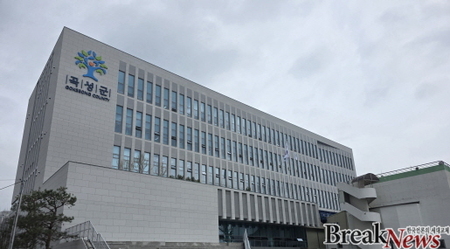
▲ 법무부 ©박상도 기자 |
(브레이크뉴스인천 박상도 기자) 법무부가 지난 5일, 높은 수준의 한국어 능력을 갖추고 지역 중소기업에서 필요로 하는 ‘중간수준 이상의 기술력’을 갖춘 전문대 유학생을 체계적으로 육성하기 위해 16개 전문대학에 학교당 1개 학과씩 ‘육성형 전문기술학과’를 시범 지정했다고 밝혔다.
법무부에 따르면, 이번 시범 지정은 저학력·단순노무의 외국인근로자를 해외에서 직접 도입하던 기존의 방식에서 벗어나 국내 전문대학을 활용하여 적정 임금을 받으며 우리 사회에 안정적으로 정착할 수 있는 우수 외국 인재를 양성하기 위한 것이다.
이번에 지정된 육성형 전문기술학과에 입학하는 유학생에게는 다양한 혜택이 주어진다.
입학 요건인 한국어 능력(TOPIK 3급 이상)을 갖춘 경우 유학(D-2) 비자 발급시 필요한 재정능력 요건이 면제되며, 재학중 학업과 병행할 수 있는 시간제 취업 허용 시간도 현행 주당 30시간에서 35시간으로 확대된다.
졸업 후 취업 및 체류지원도 강화된다.
육성형 전문기술학과를 졸업한 유학생이 사회통합프로그램 4단계(TOPIK 5급도 가능) 이수 등 높은 수준의 한국어 능력을 갖추고, 전공관련 업체와 적정 임금(초임 연 2,600만원 이상)으로 고용계약을 체결한 경우 신설 예정인 K-CORE(E-7-M) 비자를 발급받아 체류할 수 있다.
또한, 졸업생의 지역 내 장기체류를 위해 K-CORE(E-7-M) 비자로 5년 이상 계속 취업활동을 하거나 인구감소지역 내 동일 기업에서 3년 이상 근속한 경우 거주(F-2) 자격 신청을 허용할 예정이다.
이번 육성형 전문기술학과 시범지정으로 자동차·섬유·건설기계·농식품 등 인력난을 겪는 중소기업에 연간 최대 800명까지 한국어 능력과 기술력을 갖춘 국내 전문대학을 졸업한 외국인력이 공급될 것으로 기대된다.
정성호 법무부장관은 “전문대학을 활용해 기술력과 한국어 능력을 모두 갖춘 우수인재를 길러내어 인구소멸과 지역 인력난에 대응할 수 있도록 지방정부, 전문대학, 관계부처와 적극 협력해 나가겠다.”고 밝혔다.
*아래는 위 기사를 ‘구글 번역’으로 번역한 영문 기사의 [전문]입니다.‘구글번역’은 이해도 높이기를 노력하고 있습니다. 영문 번역에 오류가 있을 수 있음을 전제로 합니다.<*Below is the full text of the English translation of the above article, translated using Google Translate. Google Translate strives to improve comprehension. Please understand that there may be errors in the English translation.>
Ministry of Justice Designates 16 Pilot "Training-Type Professional Technical Departments" at Junior Colleges
Establishing an Admission-Education-Employment-Settlement System for International Students at Junior Colleges
-Break News Incheon Park Sang-do Reporter
The Ministry of Justice announced on the 5th that it has designated one "Training-Type Professional Technical Department" at each of 16 junior colleges as a pilot program. This program aims to systematically cultivate international students with high Korean language proficiency and the "intermediate or higher technical skills" required by local small and medium-sized enterprises (SMEs).
According to the Ministry of Justice, this pilot designation aims to foster talented foreign talent who can settle into Korean society at a fair wage, moving away from the existing method of directly importing low-education, unskilled foreign workers from overseas.
International students enrolled in the newly designated specialized technical departments will receive various benefits. Those who meet the admission requirement of Korean language proficiency (TOPIK Level 3 or higher) will be exempted from the financial requirement for a D-2 student visa. Furthermore, the allowable part-time employment hours while enrolled will be increased from 30 to 35 hours per week.
Post-graduation employment and residency support will also be strengthened. International students who graduate from specialized technical departments, demonstrate a high level of Korean language proficiency, such as by completing the Social Integration Program Level 4 (TOPIK Level 5 is also acceptable), and sign an employment contract with a company related to their major at a reasonable wage (starting salary of at least 26 million won per year), will be eligible to apply for the newly established K-CORE (E-7-M) visa, allowing them to reside in Korea.
Additionally, to ensure long-term residency in the region for graduates, those who have worked continuously for five years or more on a K-CORE (E-7-M) visa or have worked for the same company in a declining population area for three years or more will be permitted to apply for a resident (F-2) visa.
This pilot program for specialized technical departments is expected to supply up to 800 foreign graduates from domestic technical colleges with Korean language skills and technical expertise annually to small and medium-sized enterprises (SMEs) facing labor shortages in industries such as the automobile, textile, construction machinery, and agricultural and food industries.
Minister of Justice Jeong Seong-ho stated, "We will actively cooperate with local governments, technical colleges, and relevant ministries to utilize technical colleges to cultivate talented individuals with both technical and Korean language skills, thereby addressing population decline and regional labor shortages."
원본 기사 보기:ebreaknews.com