브레이크뉴스 김충열 정치전문기자 = 그동안 전력망 접속 문제로 장기간 표류해왔던 ‘새만금 수상태양광 사업’이 마침내 본격적인 궤도에 오른다. 2029년까지 1.2GW 규모의 발전 시설을 조기 완공해 새만금을 글로벌 재생에너지의 거점으로 만들겠다는 구상이다.
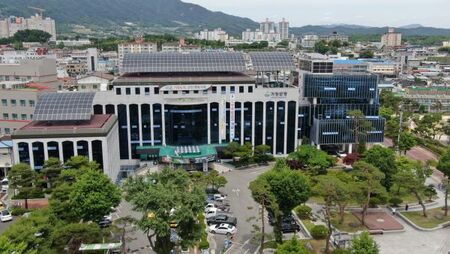
김성환 기후에너지환경부 장관은 9일 오후 전북특별자치도청에서 전북도, 새만금개발청, 한국전력공사, 한국수력원자력과 함께 ‘새만금 수상태양광 1.2GW 사업 조기 추진을 위한 업무협약(MOU)’을 체결했다.
 ▲ 김성환 장관은 “새만금 수상 태양광은 재생에너지가 지역에서 생산되고 지역 성장에 기여하는 ‘지산지소(지방에서 생산하고 지방에서 소비)’형 선순환 구조의 출발점이 될 것”이라고 밝혔다. |
■ 계통 연계 혁신으로 ‘2년 단축·3천억 절감’
이번 협약의 핵심은 고질적인 문제였던 계통 접속 방식의 획기적 개선이다. 당초 발전사가 내륙으로 15km에 달하는 접속선로를 직접 구축해야 했으나, 이를 수상 태양광 인근에 설치될 고압직류송전(HVDC) 변환소로 직접 연결하는 방식으로 변경했다.
이로 인해 접속선로 길이는 기존 대비 13km 단축된 2km 수준으로 줄어들게 된다. 결과적으로 약 2,000억~3,000억 원의 사업비가 절감되고, 당초 2031년으로 예정됐던 완공 시점도 2029년 12월로 2년이나 앞당겨질 전망이다.
■ 에너지 지산지소(地産地消)의 출발점
김성환 장관은 이번 사업이 단순히 전력을 생산하는 것을 넘어 지역 경제를 살리는 마중물이 될 것임을 강조했다. 그는 “새만금 수상 태양광은 재생에너지가 지역에서 생산되고 지역 성장에 기여하는 ‘지산지소(지방에서 생산하고 지방에서 소비)’형 선순환 구조의 출발점이 될 것”이라고 밝혔다.
특히 김 장관은 용인 반도체 클러스터 등 기업의 지방 이전과 관련해 “재생에너지 1.2GW를 적기에 개통하는 것이 기업 유치의 단초가 될 것”이라며, 향후 송전 비용을 반영한 지역별 차등 요금제가 도입되면 저렴한 전기를 쓸 수 있는 새만금의 기업 유인 효과가 더욱 커질 것으로 내다봤다.
■ “정치적 책임은 기후부가 진다” 강한 추진 의지
이날 협약식 직후 김 장관은 “오늘 업무협약의 정치적 책임은 다 기후부가 진다”며 강력한 추진 의지를 드러냈다. 그는 “한전과 한수원이 계통 연결의 핵심인데, 국민과 약속한 기간을 절대로 늦추지 않겠다”고 공언했다.
 ▲ 거시적 비전가로 평가 받고있는 김 장관은 "에너지 고속도로와 지산지소(地産地消)"에 맞는 그의 추진력은 단순한 사업 집행을 넘어, 대한민국의 에너지 체질을 바꾸는 거시적 설계와 연결되어 있다. 에너지 고속도로를 구축하여 전국 어디서나 재생에너지를 생산하고 팔 수 있는 전력망 체계를 구축하겠다는 구상이다. *(사진, 김성환 장관 SNS에서 캡춰) |
■ 김성환 장관의 추진력, 고질적 난제 해결사로 "기술로 정치를 돌파“
김성환 기후에너지환경부 장관의 행보에는 '실무형 전문가'다운 면모와 '정치적 돌파력'이 동시에 묻어난다. 어제 새만금 수상태양광 협약식에서 보여준 모습은 그가 가진 정책 추진 스타일의 정수를 보여주는 사례로 평가받고 있다.
새만금 수상태양광 사업은 지난 수년간 계통 접속(전력망 연결) 문제로 "하고 싶어도 못 하는" 대표적인 표류 사업이었다. 김 장관은 단순히 "빨리하라"고 독촉하는 대신, 접속 선로를 13km나 단축하는 HVDC(고압직류송전) 연계 방식이라는 기술적 해법을 직접 조율해 냈다.
비용과 시간의 동시 절감으로 이를 통해 약 3,000억 원의 예산을 아끼고 사업 기간을 2년이나 앞당기는 실질적인 성과를 도출했다. 이는 그가 국회 기후위기특위 등에서 쌓아온 깊은 전문성이 있었기에 가능했다는 평가이다.
또한 김장관은 "정치적 책임은 장관이 진다"라는 모토로 책임지는 행정의 면모를 부여주었다. 어제 발언 중 가장 인상적이었던 "정치적 책임은 기후부가 진다"는 공언은 공무원 조직과 협력 기관(한전, 한수원 등)에 강력한 추진 동력을 부여했다. 이해관계가 얽힌 기관들 사이에서 장관이 직접 '총대'를 메고 책임을 명확히 함으로써, 지지부진했던 의사결정 구조를 단번에 깨뜨려 돌파했다.
거시적 비전가로 평가 받고있는 김 장관은 "에너지 고속도로와 지산지소(地産地消)"에 맞는 그의 추진력은 단순한 사업 집행을 넘어, 대한민국의 에너지 체질을 바꾸는 거시적 설계와 연결되어 있다. 에너지 고속도로를 구축하여 전국 어디서나 재생에너지를 생산하고 팔 수 있는 전력망 체계를 구축하겠다는 구상이다. 이는 지역 균형 발을 통해 재생에너지가 풍부한 지역에 기업이 몰리도록 하는 '지산지소'형 모델과 지역별 차등 요금제 도입 추진은, 환경 정책을 산업 및 지역 정책과 결합하는 고도의 전략적 추진력을 보여주고 있다.
이재명 정부의 기후·에너지 정책 설계를 주도했던 인물인 만큼, 김성환 장관은 "준비된 장관"으로 취임 후 별도의 적응기 없이 즉각적인 성과(NDC 2035 수립, 기후부 출범 등)를 내고 있다는 평이다.
새만금 수상 태양광 1단계 사업은 약 13.5㎢ 수역에 1.2GW 규모의 시설을 설치하는 총사업비 3조 원 규모의 매머드급 프로젝트다. 이번 협약으로 전력망 건설 일정과 계통 접속 절차가 집중 관리됨에 따라, 새만금이 RE100(재생에너지 100% 사용) 산단 조성의 핵심 거점으로 거듭날 수 있을지 주목된다. hpf21@naver.com
*아래는 위 기사를'구글 번역'으로 번역한 영문 기사의[전문]입니다. '구글번역'은 이해도 높이기를 위해 노력하고 있습니다.영문 번역에 오류가 있을 수 있음을 전제로 합니다.*The following is [the full text] of the English article translated by 'Google Translate'. 'Google Translate' is working hard to improve understanding. It is assumed that there may be errors in the English translation.
Minister Kim Sung-hwan: "Saemangeum Floating Solar Power Project, Stranded for Seven Years, Now Opens Doors... 'Early Completion Planned for 2029'"
Large-scale 1.2GW Project to Reduce Project Costs by KRW 300 Billion Through Innovative Grid Connection Methods
Jeonbuk Province, Saemangeum Authority, KEPCO, and KHNP Sign MOU... "We Will Create a Virtuous Cycle of Local Production and Local Small-Scale Development"
Break News, Political Reporter Kim Choong-Lyoul = The Saemangeum Floating Solar Power Project, which has long been stalled due to grid connection issues, is finally on track. The plan is to establish Saemangeum as a global renewable energy hub by completing the 1.2GW power generation facility early by 2029.
On the afternoon of the 9th, Minister of Climate, Energy and Environment Kim Sung-hwan signed a Memorandum of Understanding (MOU) for the Accelerated Launch of the Saemangeum 1.2GW Floating Solar Power Project at the Jeonbuk Special Self-Governing Provincial Office with the Jeonbuk Province, Saemangeum Development and Investment Agency, Korea Electric Power Corporation (KEPCO), and Korea Hydro & Nuclear Power (KHNP).
■ Grid Connection Innovation: 'Two Years Shortened, KRW 300 Billion Saved'
The core of this agreement is a groundbreaking improvement in the grid connection method, which has been a chronic problem. While power generation companies were initially required to construct a 15km inland connection line, this was changed to a direct connection to a high-voltage direct current (HVDC) converter station to be installed near the floating solar power plant.
This will reduce the connection line length to approximately 2km, a 13km reduction from the previous length. Consequently, the project cost will be reduced by approximately KRW 200-300 billion, and the completion date, originally scheduled for 2031, is expected to be moved up by two years to December 2029.
■ Starting Point for Local Energy Production and Consumption
Minister Kim Sung-hwan emphasized that this project will go beyond simply generating electricity and serve as a catalyst for revitalizing the local economy. He stated, "Saemangeum's floating solar power project will be the starting point of a virtuous cycle of 'local production, local consumption' (producing locally and consuming locally) where renewable energy is produced locally and contributes to regional growth."
Regarding the relocation of companies to regional areas, such as the Yongin Semiconductor Cluster, Minister Kim stated, "The timely launch of 1.2 GW of renewable energy will be the starting point for attracting companies." He predicted that the introduction of a regionally differentiated rate system reflecting transmission costs in the future will further enhance the attractiveness of Saemangeum for companies, thanks to its affordable electricity.
■ "The Ministry of Climate Change Takes Political Responsibility": Strong Commitment to Promote
Immediately after the signing ceremony, Minister Kim expressed his strong commitment to the project, stating, "The Ministry of Climate Change takes full political responsibility for today's business agreement." He declared, "KEPCO and KHNP are key to grid connectivity, and we will never delay the deadline we promised the public."
■ Minister Kim Sung-hwan's Driving Force: "Breaking Through Politics with Technology" as a Solution to Chronic Challenges
Minister of Climate, Energy and Environment Kim Sung-hwan's actions simultaneously reflect his "practical expert" and his "political breakthrough." His performance at the Saemangeum floating solar power plant agreement ceremony yesterday is being evaluated as a prime example of his policy-making style.
For years, the Saemangeum floating solar power project was a typical example of a project that "wanted to be done but couldn't" due to grid connection issues. Instead of simply urging, "Hurry up," Minister Kim personally coordinated a technical solution: an HVDC (High Voltage Direct Current) connection that shortened the connection line by 13km.
This simultaneous cost and time savings resulted in a substantial budget savings of approximately 300 billion won and a two-year advance in the project's duration. This achievement is attributed to the deep expertise he accumulated through his work on the National Assembly's Special Committee on Climate Crisis.
Minister Kim also embodied a responsible administration with the motto, "The Minister bears political responsibility." The most striking declaration in yesterday's speech, "The Ministry of Climate Change bears political responsibility," provided a powerful impetus to civil service organizations and partner organizations (KEPCO, KHNP, etc.). By directly taking the lead and clearly establishing accountability among intertwined agencies, the Minister broke through the sluggish decision-making structure.
Minister Kim, recognized as a macro-level visionary, is driven by his "energy highway and local production, local consumption" (産地消) philosophy. His drive goes beyond simple project execution and is linked to a macro-level design to transform South Korea's energy landscape. His plan is to build an energy highway and establish a power grid system capable of producing and selling renewable energy anywhere in the country. This strategy, along with the "local production, local consumption" model, which encourages companies to concentrate in renewable energy-rich areas through regionally balanced development, and the introduction of a regionally differentiated tariff system, demonstrate a highly strategic approach that integrates environmental policy with industrial and regional policies.
As someone who spearheaded the Lee Jae-myung administration's climate and energy policy design, Minister Kim Sung-hwan is considered a "prepared minister," achieving immediate results (such as the establishment of the NDC 2035 and the launch of the Ministry of Climate Change) without any significant adjustment period.
The Saemangeum Floating Solar Power Project Phase 1 is a mammoth project with a total budget of 3 trillion won, with a 1.2 GW capacity installed in approximately 13.5 square kilometers of water. With this agreement, the grid construction schedule and grid connection procedures will be closely monitored, raising the possibility that Saemangeum will emerge as a key base for the RE100 (100% renewable energy) industrial complex. hpf21@naver.com