브레이크뉴스 김충열 정치전문기자 = 광역 지자체 간 행정통합을 추진하기 위해 발의된 특별법안들이 지역 균형발전이라는 명분과 달리, 실상은 무분별한 개발 특혜와 선심성 지역 민원으로 점철되어 있다는 분석 결과가 나왔다.
경제정의실천시민연합(경실련)은 10일, 배정현 정치입법팀 간사의 사회로 진행된 이날 서울 종로구 경실련 강당에서 기자회견을 열고, 현재 국회에 발의된 충남·대전, 전남·광주, 대구·경북 행정통합 3대 특별법안에 대한 전수분석 결과를 서휘원 정치입법팀장이 발표했다.
 ▲ 하상응 경실련 정치개혁위원회 위원장(서강대 정치외교학과 교수)은 “행정통합은 지자체장들의 일방적 선언이 아니라, 전국 지자체에 공통 적용될 수 있는 분권 원칙 정립이 선행되어야 한다”며, “주민투표를 통한 실질적인 주민 동의 절차를 반드시 거쳐야 하며, 특정 지역에 대한 특혜 경쟁이 아닌 국가적 관점에서의 원점 재논의가 필요하다”고 촉구했다. © 사진, 경실련 |
■ 조문 10개 중 8개 이상이 ‘특혜·개발’ 조항
경실련 분석 결과, 3개 특별법안 총 1,035개 조문 중 무려 83.96%(869개)가 선심성 지역 민원, 재정 특례, 견제 장치 없는 권한 이양에 집중된 것으로 나타났다.
유형별로는 ▲부처 장관의 승인·지정 권한을 통합시장에게 넘기는 ‘권한 이양 및 규제 완화’가 465개(44.9%)로 가장 많았으며, ▲예비타당성조사 면제 등 ‘재정·절차 특례’가 286개(27.6%), ▲SOC 건설 등 ‘선심성 지역 민원’이 119개(11.5%)를 차지했다.
지역별로는 전남·광주 특별법의 특혜성 조항 비율이 85.75%로 가장 높았으며, 대구·경북(85.67%), 충남·대전(79.94%)이 뒤를 이었다.
■ 국가 재정·행정 시스템 파괴하는 독소조항 수두룩
경실련은 특히 재정 특혜와 권한 이양 조항들이 국가 시스템의 근간을 흔들 수 있다고 강력히 경고했다.
국세인 양도소득세(충남·대전)나 법인세 10%(대구·경북)를 지자체 수입으로 돌리라는 요구는 조세법률주의 위반 소지가 크며, 예타 면제 조항은 ‘제2의 레고랜드 사태’와 같은 혈세 낭비를 초래할 수 있다고 지적했다.
환경부·국토부 장관의 고유 권한인 환경영향평가 협의권과 그린벨트 해제권까지 통합 시장에게 넘기라는 것은 셀프 인허가 위험으로 “심판 없는 경기”를 만드는 꼴이며, 무분별한 난개발을 막을 안전장치를 상실하는 결과를 낳을 것이라고 비판했다.
공모 절차 없이 특정 지역에 국립의과대학이나 연구원을 유치하도록 강제하는 것은 타 지자체와의 형평성을 깨뜨리고 지역 갈등을 조장하는 행위라고 일갈했다.
■ 지방선거 앞둔 정치적 합의 중단하고 원점 재논의해야
경실련은 현재의 행정통합 논의가 6·3 지방선거를 앞둔 정치권의 표심 공략용 ‘졸속 입법’이라고 규정했다.
하상응 경실련 정치개혁위원회 위원장(서강대 정치외교학과 교수)은 “행정통합은 지자체장들의 일방적 선언이 아니라, 전국 지자체에 공통 적용될 수 있는 분권 원칙 정립이 선행되어야 한다”고 강조했다. 또한 “주민투표를 통한 실질적인 주민 동의 절차를 반드시 거쳐야 하며, 특정 지역에 대한 특혜 경쟁이 아닌 국가적 관점에서의 원점 재논의가 필요하다”고 촉구했다.
■ 지자체 반응: "껍데기 법안 우려" vs "정면 돌파“
각 지자체는 경실련의 '특혜' 주장에 대해 "지방 소멸을 막기 위한 최소한의 자구책"이라며 반박하는 한편, 정작 정부(중앙부처)가 핵심 특례를 불수용하고 있는 상황에 대해 더 큰 위기감을 느끼고 있다.
1) 대구·경북 (TK): "6월 통합 단체장 선출"이라는 목표하에 가장 속도를 내고 있다. 경실련의 '졸속' 비판에 대해 대구시는 "선 통합 후 보완" 논리를 내세우며, 2월 국회 통과를 위해 총공세를 펼치고 있다.
다만 공직 사회 내부와 시민단체(대구경실련 등)를 중심으로 "주민 합의 없는 날치기 추진"이라는 비판이 거세며, 최근 공무원 노조의 반대 목소리도 커지는 상황이다.
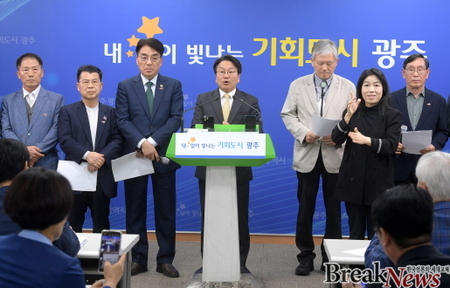
2) 광주·전남 입장: 김영록 전남지사와 강기정 광주시장은 8일 긴급 간담회를 열고 "중앙부처의 핵심 특례 불수용"에 대해 강력히 규탄했다. 경실련이 '특혜'라고 지적한 374개 특례 중 상당수가 부처 검토 과정에서 삭제되자, "이런 식이면 특별법을 만들 이유가 없다"며 '진짜 통합 특별법' 쟁취를 위한 공동결의문을 발표했다.
3) 충남·대전 입장: 김태흠 충남지사는 국회에서 이재명 민주당 대표와의 면담을 요청하는 등 정치적 해결을 시도하고 있다. 지역 시민단체(대전경실련 등)는 "숙의 없는 '대충(대전·충남) 통합'을 중단하라"며 주민투표 실시를 강력히 요구하고 있다.
한편, 국회 행정안전위원회(행안위)는 6·3 지방선거 전 통합 지자체 출범을 위해 전례 없는 속도전을 벌이고 있다. hpf21@naver.com
*아래는 위 기사를'구글 번역'으로 번역한 영문 기사의[전문]입니다. '구글번역'은 이해도 높이기를 위해 노력하고 있습니다.영문 번역에 오류가 있을 수 있음을 전제로 합니다.*The following is [the full text] of the English article translated by 'Google Translate'. 'Google Translate' is working hard to improve understanding. It is assumed that there may be errors in the English translation.
Citizens' Coalition for Economic Justice (CCEJ): "Is administrative integration a means of balanced regional development? A battle for preferential treatment?"
Announcement of the results of a comprehensive analysis of the three special bills on administrative integration and a call to halt hasty legislation.
Hastily drafted legislation must be halted before the local elections and a national perspective must be adopted.
Break News, political reporter Kim Choong-Lyoul = Analysis has revealed that the special bills proposed to promote administrative integration between metropolitan and provincial governments, despite their stated goal of balanced regional development, are in fact riddled with indiscriminate development favors and favoritism-driven local complaints.
On the 10th, the Citizens' Coalition for Economic Justice (CCEJ) held a press conference at the CCEJ auditorium in Jongno-gu, Seoul, moderated by Bae Jeong-hyeon, secretary of the CCEJ Political Legislation Team. Seo Hwi-won, head of the Political Legislation Team, announced the results of a comprehensive analysis of the three special bills currently proposed in the National Assembly: the bills on administrative integration of South Chungcheong Province and Daejeon, South Jeolla Province and Gwangju, and Daegu and Gyeongbuk.
■ Among the 10 articles More than 8 Provisions Contain "Preferential Treatment/Development"
According to an analysis by the Citizens' Coalition for Economic Justice (CCEJ), a whopping 83.96% (869 provisions) of the 1,035 provisions in the three special laws were focused on favoritism-driven local complaints, fiscal exemptions, and the transfer of authority without checks and balances.
By type, ▲ "Devolution of Authority and Deregulation," which transfers the approval and designation authority of ministers to the integrated mayor, accounted for the largest proportion at 465 (44.9%). ▲ "Financial and procedural exemptions," such as exemptions from preliminary feasibility studies, accounted for 286 (27.6%). ▲ "Preferential treatment-driven local complaints," such as SOC construction, accounted for 119 (11.5%).
By region, the Jeonnam and Gwangju Special Acts had the highest percentage of preferential treatment provisions at 85.75%, followed by Daegu and Gyeongbuk (85.67%) and Chungnam and Daejeon (79.94%).
■ National Numerous toxic provisions are destroying the financial and administrative system.
The Citizens' Coalition for Economic Justice strongly warned that provisions granting financial privileges and delegating authority could undermine the very foundations of the national system.
Demands to divert national taxes, such as the capital gains tax (South Chungcheong and Daejeon) and the 10% corporate tax (Daegu and North Gyeongsang), to local governments could potentially violate the principle of taxation by law. They also pointed out that the preliminary feasibility study exemption clause could lead to a waste of taxpayer money, similar to a "second Legoland incident."
They criticized the transfer of environmental impact assessment consultation rights and greenbelt lifting authority, both of which are inherently vested in the Ministers of Environment and Land, Infrastructure and Transport, to the integrated mayor, saying it risks self-permissioning and creates a "game without referees," thereby eliminating safeguards against reckless development.
They also denounced the practice of forcing certain regions to host national medical schools or research institutes without a competitive bidding process, saying it undermines fairness with other local governments and fuels regional conflict.
■ Stop political agreements ahead of local elections We Need to Re-Discuss the Issue from the Beginning
The Citizens' Coalition for Economic Justice (CCEJ) has characterized the current administrative integration discussions as "hasty legislation" aimed at wooing voters ahead of the June 3 local elections.
Ha Sang-eung, Chair of the CCEJ Political Reform Committee, emphasized, "Administrative integration should not be a unilateral declaration by local government heads, but should be preceded by the establishment of decentralization principles that can be applied universally to all local governments nationwide." He also urged, "A substantive process of public consent through a referendum is essential, and a re-discussion from the beginning is necessary from a national perspective, not a competition for preferential treatment for specific regions."
■ Local Government Responses: "Concerns over a sham bill" vs. "Head-on Challenge"
Each local government refuted the CCEJ's claims of "preferential treatment," claiming it was "the minimum self-rescue measure to prevent the extinction of local governments." However, they are increasingly concerned by the central government's refusal to accept key special provisions.
1) Daegu and Gyeongbuk (TK): With the goal of "electing the integrated local government heads by June," they are pushing for the fastest progress. The city of Daegu is launching an all-out offensive to secure passage of the bill in the National Assembly in February, citing the Citizens' Coalition for Economic Justice's (CCEJ) criticism of its "hasty" implementation, arguing for "integration first, then supplementation."
However, criticism is growing, particularly from within the public sector and civic groups (such as the Daegu CCEJ), that the bill is being pushed forward "without public consensus." Recently, opposition from public servant unions has also been growing.
2) Gwangju and South Jeolla Province's Position: South Jeolla Province Governor Kim Young-rok and Gwangju Mayor Kang Ki-jung held an emergency meeting on the 8th and strongly condemned the "central government's refusal to accept key special provisions." After many of the 374 special provisions that CCEJ had identified as "preferential treatment" were removed during the ministry's review process, they issued a joint resolution demanding a "real special law for integration," stating, "If this continues, there is no reason to create a special law."
3) South Chungcheong Province and Daejeon's Position: South Chungcheong Province Governor Kim Tae-heum is attempting a political solution, including requesting a meeting with Democratic Party leader Lee Jae-myung at the National Assembly. Civic groups (including the Daejeon Citizens' Coalition for Economic Justice) are strongly demanding a referendum, urging an end to the "undeliberated, haphazard integration" of Daejeon and South Chungcheong Province.
Meanwhile, the National Assembly's Public Administration and Security Committee (PASC) is engaged in an unprecedented race to launch a unified local government before the June 3 local elections. hpf21@naver.com