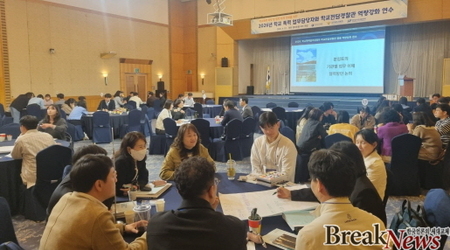
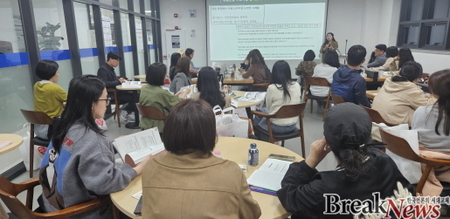
▲ '대전 대학 혁신 코디네이터 협의체' 회의 진행 모습=대전창조경제혁신센터 제공 © 정지완 기자 |
대전광역시와 대전창조경제혁신센터가 지역혁신(RISE) 체계를 토대로 대학과 창업 지원기관 간 협력 구조를 한 단계 끌어올리기 위한 실무 협의에 착수했다. 양 기관은 지난 9일 대전 스타트업 파크 본부에서 ‘대전 대학 혁신 코디네이터 협의체’ 회의를 열고, 2026년을 겨냥한 산학·창업 연계 전략을 공유했다.
이번 협의체는 센터가 추진하는 창업기업 지원 프로그램을 대학 현장과 유기적으로 결합하기 위해 마련됐다. 대학이 보유한 연구 성과와 창의적 아이디어, 예비·초기 창업 인재를 체계적으로 발굴해 지역 창업 생태계로 연결하고, 대학–센터 간 상시 협업이 작동하는 구조를 정착시키는 데 방점이 찍혔다.
회의에는 대전대학교·대전과학기술대·대전보건대·목원대·배재대·우송대·충남대·한남대·한밭대 등 지역 9개 대학의 RISE 사업단과 산학·창업 관련 부서 실무진이 참여했다. 협의체는 형식적 교류를 넘어, 현장 수요를 즉시 반영하는 실무 네트워크로 운영될 계획이다.
운영 방향은 '대학과 센터가 추진하는 사업·행사 정보를 상호 공유하고 공동 참여를 확대하는 개방형 협력, 기존 창업·산학 프로그램의 연계를 통한 지·산·학·연 협력의 실질화, 신규 사업의 공동 기획과 실행을 통해 지역 주도의 혁신 모델을 창출하는 것'으로 정리됐다. 단순한 연계에서 벗어나 공동 설계와 실행을 전제로 한 협력 전환이 핵심이다.
센터 측은 이번 협의체가 RISE 기반 지역혁신의 성과를 가시화하는 전환점이 될 것으로 보고 있다. 대학의 연구·인재 자산과 공공 창업 지원 인프라가 결합할 경우, 초기 기업의 성장 경로가 명확해지고 지역 내 혁신 자원의 순환도 빨라질 수 있다는 판단이다. 특히 대학별 특성과 강점을 반영한 공동 프로젝트는 중복 지원을 줄이고, 성과 확산의 속도를 높이는 데 기여할 것으로 전망된다.
전문가들은 지역 혁신의 지속 가능성을 좌우하는 요인으로 ‘협업의 밀도’를 꼽는다. 정책·기관 중심의 분절적 지원을 넘어, 대학과 지원기관이 공동의 목표와 실행 체계를 공유할 때 창업 성과가 지역 산업으로 안착할 가능성이 커진다는 것이다. 이번 협의체 구축은 대전이 지식 기반 도시로서 축적해 온 역량을 지역 성장 동력으로 연결하는 실험이라는 점에서 의미가 적지 않다.
*아래는 위 기사를 '구글 번역'으로 번역한 영문 기사의 [전문]입니다. '구글번역'은 이해도를 높이기를 위해 노력하고 있습니다. 영문 번역에 오류가 있을 수 있음을 전제로 합니다.<*The following is [the full text] of the English article translated by 'Google Translate'. 'Google Translate' is working hard to improve understanding. It is assumed that there may be errors in the English translation.>
Daejeon Launches "RISE Collaboration Axis" Linking Universities and Startups, Strengthening Regionally Driven Innovation Ecosystem
Daejeon Innovation Center and Nine Local Universities Launch Innovation Coordinator Council, Shifting to Joint Planning and Implementation
Daejeon Metropolitan City and the Daejeon Center for Creative Economy and Innovation have begun working-level discussions to elevate the cooperative structure between universities and startup support organizations based on the Regional Innovation (RISE) system. On the 9th, the two organizations held a meeting of the "Daejeon University Innovation Coordinator Council" at the Daejeon Startup Park headquarters and shared strategies for industry-academia-startup collaboration targeting 2026.
This council was established to organically integrate the Center's startup support programs with universities. The focus is on systematically identifying research achievements, creative ideas, and potential and early-stage entrepreneurial talent from universities and connecting them to the local startup ecosystem, while establishing a structure for ongoing collaboration between universities and the Center.
The meeting was attended by RISE project teams and working-level staff from industry-academia-entrepreneurship departments from nine local universities: Daejeon University, Daejeon University of Science and Technology, Daejeon Health College, Mokwon University, Pai Chai University, Woosong University, Chungnam National University, Hannam University, and Hanbat National University. The council plans to operate beyond formal exchanges and become a working network that immediately reflects on-the-ground needs.
The operational direction was outlined as "open collaboration where universities and the center share information on projects and events and expand joint participation; tangible collaboration among industry, academia, and research institutions through linking existing entrepreneurship and industry-academia programs; and creating a regionally driven innovation model through joint planning and implementation of new projects." The core objective is to shift cooperation beyond mere linkages to one premised on joint design and implementation.
The center believes this council will be a turning point in tangible results for RISE-based regional innovation. Combining university research and talent assets with public startup support infrastructure will clarify the growth paths of early-stage companies and accelerate the circulation of innovation resources within the region. In particular, joint projects that reflect the characteristics and strengths of each university are expected to reduce redundant support and accelerate the diffusion of results.
Experts cite "density of collaboration" as a key factor in determining the sustainability of regional innovation. They argue that, beyond fragmented support centered on policies and institutions, when universities and support organizations share common goals and implementation systems, the likelihood of startup achievements taking root as local industries increases. The establishment of this council is significant as it represents an experiment in leveraging Daejeon's accumulated capabilities as a knowledge-based city into a regional growth engine.
원본 기사 보기:브레이크뉴스대전세종충청