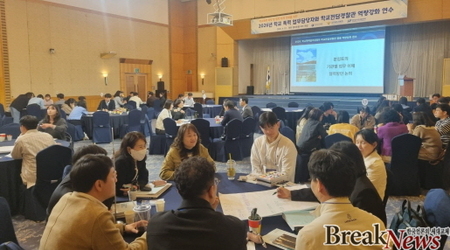
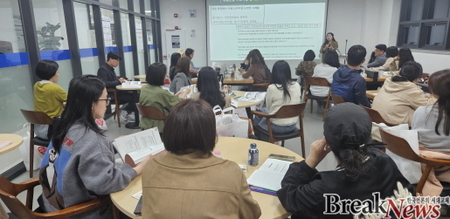
▲ 충남 아산시의회 박효진 의원=박효진 아산시의원 제공 © 정지완 기자 |
아산시의회 박효진 의원은 최근 급물살을 타고 있는 대전·충남 행정통합 추진과 관련해, 시·도민의 실질적 동의와 치밀한 정책 설계 없이 정치권 주도의 속도전으로 흘러가고 있다고 강하게 문제를 제기했다. 박 의원은 이번 통합 논의가 국가균형발전이라는 외피를 두르고 있지만, 그 이면에는 불완전한 법안 구조와 정치적 계산만이 남아 있다고 진단했다.
박 의원은 행정구역 개편은 단순한 행정 효율화 차원이 아니라 시민의 삶과 지역의 미래 구조를 근본적으로 바꾸는 백년대계임에도, 현재 논의 과정에서는 숙의와 공론화가 철저히 배제돼 있다고 평가했다. 통합의 필요성과 효과를 검증하는 절차보다 정치 일정에 맞춘 입법과 제도 추진이 앞서고 있다는 점에서, 이번 통합은 시작부터 절차적 정당성을 상실했다는 것이다.
특히 통합 명칭을 둘러싸고 ‘충남대전통합특별법’, ‘대전통합특별시’ 등 즉흥적이고 타협적인 안이 오가는 현실을 두고, 박 의원은 이번 통합이 얼마나 급조된 상태에서 추진되고 있는지를 보여주는 상징적인 장면이라고 지적했다. 명칭조차 정리되지 않은 상황에서 법안과 행정 체계를 동시에 설계하는 것은 행정 혼란을 예고하는 것과 다름없다는 판단이다.
박 의원은 이번 논의 과정에서 가장 소외된 주체가 충남 도민과 대전 시민이라는 점을 반복적으로 강조했다. 통합의 직접적인 영향을 받는 시민들을 대상으로 한 체계적인 의견 수렴 절차는 찾아보기 어렵고, 주민투표나 숙의형 공론장과 같은 민주적 장치는 논의 테이블에조차 제대로 오르지 못했다는 것이다. 박 의원은 이러한 방식은 지방분권을 말하면서도 정작 민주주의의 기본 원칙을 훼손하는 모순적 행태라고 비판했다.
 ▲ 박효진 아산시의원이 제시한 '통합특별법안' 비교표=아산시의회 박효진 의원 제공 © 정지완 기자 |
통합 이후 지역 불균형이 심화될 가능성에 대해서도 박 의원은 우려를 숨기지 않았다. 행정 통합이 이뤄질 경우 행정·재정 자원이 대전과 천안·아산 등 일부 거점 지역으로 집중될 가능성이 크고, 인구 소멸 위험 지역과 농촌·산간 지역은 오히려 더 주변화될 수 있다는 분석이다. 이는 통합 추진 측이 강조하는 ‘균형발전’ 논리와는 정반대의 결과로 이어질 수 있다고 박 의원은 지적했다.
박 의원은 특히 통합이 지역 소멸을 막을 수 있다는 주장에 대해, 현재 제시된 법안과 정책 구상 어디에서도 낙후 지역을 실질적으로 보호하고 지원할 구체적 장치를 찾기 어렵다고 평가했다. 행정 권한과 재정 배분 구조가 명확하지 않은 상태에서 통합만 단행될 경우, 지역 내 또 다른 서열화와 갈등을 초래할 가능성이 높다는 것이다.
형평성 문제 역시 지속적으로 제기되는 쟁점이다. 광주·전남 통합 논의와 비교할 때 대전·충남 통합 법안은 국가 재정 지원의 명문화, 권한 이양 범위, 중앙정부 책임 규정 등에서 현저히 부족하다고 박 의원은 분석했다. 그는 과거 통합에 비판적이던 정치 세력들이 입장을 바꿔 통합을 서두르는 배경에 대해, 정책적 필요보다 정치적 이해관계가 앞선 결과 아니냐는 의문을 제기했다.
박 의원은 행정통합의 성패를 가르는 핵심은 속도가 아니라 설계라고 강조했다. 통합이 시민의 삶에 어떤 실질적 이익을 주는지, 낙후 지역의 소멸을 어떻게 막을 것인지에 대한 구체적인 통계와 재정 추계, 단계별 이행 계획이 제시되지 않는다면 통합은 실험적 시도에 그칠 수밖에 없다는 판단이다.
끝으로 박효진 의원은 지금 필요한 것은 ‘충전’이나 ‘대충’과 같은 이름 짓기 경쟁이 아니라, 통합 논의를 잠시 멈추고 시민의 목소리부터 다시 듣는 일이라고 밝혔다. 정치적 성과와 권력 재편을 앞세운 통합은 결국 시민의 저항에 부딪힐 수밖에 없으며, 충분한 동의와 설계 없이 추진된 행정 통합은 실패한 정치 실험으로 기록될 가능성이 크다는 점을 분명히 했다.
*아래는 위 기사를 '구글 번역'으로 번역한 영문 기사의 [전문]입니다. '구글번역'은 이해도를 높이기를 위해 노력하고 있습니다. 영문 번역에 오류가 있을 수 있음을 전제로 합니다.<*The following is [the full text] of the English article translated by 'Google Translate'. 'Google Translate' is working hard to improve understanding. It is assumed that there may be errors in the English translation.>
Asan City Council Member Park Hyo-jin: "Daejeon-Chungnam Administrative Integration: A Political Speed Race Without Citizens... Rushed Reorganizations Will Inevitably Fail"
"The Justification for Balanced Development Is Just a Façade... The Real Essence Is an Unfair Legislative Structure and a Desire to Reorganize Power"
Asan City Council Member Park Hyo-jin strongly criticized the recent rapid pace of the Daejeon-Chungnam administrative integration, arguing that it is being driven by a politically driven speed race without the substantive consent of the city and provincial residents and meticulous policy planning. Park asserted that while the current integration discussion is cloaked in the guise of balanced national development, it is actually a flawed legislative structure and political calculations.
Representative Park asserted that administrative district reorganization is not simply about improving administrative efficiency; it is a century-long plan that fundamentally transforms the lives of citizens and the future structure of the region. However, he asserted that the current discussion process has completely excluded deliberation and public discussion. He argued that the integration has lost its procedural legitimacy from the outset, as legislation and institutional implementation tailored to political schedules are prioritized over procedures to verify the necessity and effectiveness of the integration.
Representative Park pointed out that the current situation of impromptu and compromising proposals, such as the "South Chungcheong Province Daejeon Integration Special Act" and the "Daejeon Integration Special City," being exchanged over the name of the merger, symbolized the hasty nature of the merger. He believed that simultaneous design of legislation and administrative systems, when even the name had not been finalized, was tantamount to foreshadowing administrative chaos.
Representative Park repeatedly emphasized that the most marginalized parties in this discussion were the residents of South Chungcheong Province and Daejeon. He argued that systematic procedures for gathering opinions from citizens directly affected by the merger were difficult to find, and democratic mechanisms such as referendums and deliberative public forums were not even properly brought to the table. Representative Park criticized this approach as a contradictory practice that undermines the fundamental principles of democracy while promoting decentralization.
Representative Park also expressed concern about the potential exacerbation of regional imbalances following the merger. If administrative integration is implemented, administrative and financial resources are likely to be concentrated in a few key regions, such as Daejeon, Cheonan, and Asan. Furthermore, areas at risk of population decline, as well as rural and mountainous regions, could be further marginalized. Rep. Park pointed out that this could lead to results diametrically opposed to the "balanced development" advocated for by those promoting the integration.
Rep. Park specifically criticized the argument that integration could prevent regional extinction, stating that no concrete mechanism exists within the currently proposed bills or policy plans to effectively protect and support underdeveloped regions. He argued that if integration proceeds without a clear definition of administrative authority and financial allocation structures, it is highly likely to lead to further regional hierarchies and conflicts.
Issues of fairness are also persistent issues. Compared to discussions on the integration of Gwangju and South Jeolla Province, Rep. Park analyzed that the Daejeon and South Chungcheong Province integration bill falls significantly short in terms of specifying national financial support, delegating authority, and defining central government responsibilities. He questioned the shift in political stances from those previously critical of integration, suggesting that political interests are now overriding policy needs.
Representative Park emphasized that the key to the success or failure of administrative integration lies not in speed, but in design. He concluded that without concrete statistics, financial projections, and a phased implementation plan demonstrating how integration will tangibly benefit citizens and prevent the disappearance of underdeveloped regions, integration will inevitably remain an experimental endeavor.
Finally, Representative Park Hyo-jin asserted that what is needed now is not a competition over labels like "recharge" or "roughly," but rather a pause in the integration debate and a renewed listening to the voices of the citizens. He made it clear that integrations prioritized for political gain and power realignment will inevitably face resistance from citizens, and that administrative integrations pursued without sufficient consent and design are likely to be remembered as failed political experiments.
원본 기사 보기:브레이크뉴스대전세종충청