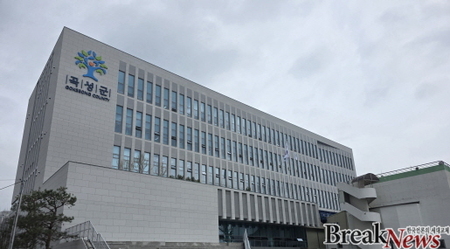
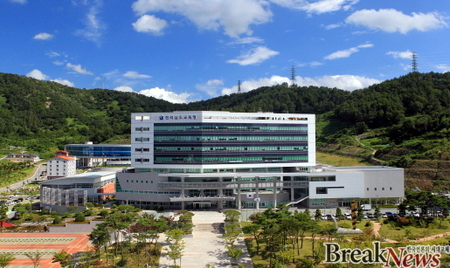
▲ 인천연구원 전경 ©박상도 기자 |
(브레이크뉴스인천 박상도 기자) 인천연구원가 11일, 기획연구과제로 수행한 ‘끊김 없는 광역교통체계 구축을 위한 심야 자율주행버스 도입 방안’ 결과보고서를 발표했다.
인천연구원에 따르면, 현재 인천시는 광역철도 막차 도착 시점에 시내버스 운행이 이미 종료되는 경우가 많아, 광역통행과 내부통행 간의 단절로 인해 시민들이 심야시간대 이동에 큰 불편을 겪고 있다.
인천시가 이를 해소하기 위해 심야 전용 ‘별밤버스’를 운영 중이나, 긴 배차간격과 한정된 노선으로 이용률이 저조하며, 심야 운행에 따른 인건비 부담 또한 높다.
이 연구는 심야시간대 교통 공백 해소와 운영 효율성 제고를 위해 ‘심야 자율주행버스’ 및 ‘단거리 자율주행셔틀’의 단계별 도입 방안을 제시했다.
1단계(시범운행): 안전성 확보를 위해 기존 중앙버스전용차로(청라 GRT·BRT) 구간을 대상으로 심야 자율주행버스를 시범 운행
2단계(확대도입): 인천대로, 경인로 등 신규 중앙버스전용차로 구축 구간으로 노선을 확대하여 광역교통 주요 거점 간 연결성을 강화
3단계(셔틀도입): 심야버스 접근성이 취약한 주거밀집지역을 대상으로 지하철역과 주거지를 연결하는 ‘단거리 자율주행셔틀’을 도입
연구 결과, 심야 자율주행 서비스가 3단계까지 확대 도입될 경우, 현행 별밤버스 단독 운영 대비 잠재수요는 최대 16배 증가하고, 취약지역 커버율은 최대 6.8배 확대될 것으로 분석됐다.
또한, 자율주행 시스템 도입을 통해 운전 인력 비용을 절감함으로써, 3단계 완료 시 연간 약 28억 원의 인건비 절감 효과를 거둘 수 있을 것으로 전망했다.
인천연구원 이태헌 연구위원은 “심야 자율주행버스는 시민들의 심야 이동권을 보장하고 대중교통 운영의 지속가능성을 확보할 수 있는 핵심 대안”이라며, “인천시가 보유한 C-ITS(차세대 지능형 교통시스템) 인프라와 미래형 환승센터 계획을 연계한다면 자율주행버스를 광역교통체계의 핵심 요소로 발전시킬 수 있을 것”이라고 밝혔다.
*아래는 위 기사를 ‘구글 번역’으로 번역한 영문 기사의 [전문]입니다.‘구글번역’은 이해도 높이기를 노력하고 있습니다. 영문 번역에 오류가 있을 수 있음을 전제로 합니다.<*Below is the full text of the English translation of the above article, translated using Google Translate. Google Translate strives to improve comprehension. Please understand that there may be errors in the English translation.>
Incheon Research Institute Proposes Introduction of Late-Night Autonomous Buses to Address Disruption of Metropolitan and Internal Transportation During Late-Night Hours
-Break News Incheon Park Sang-do Reporter
On the 11th, the Incheon Research Institute announced the results of a research project titled "Introducing Late-Night Autonomous Buses to Build a Seamless Metropolitan Transportation System."
According to the Incheon Research Institute, Incheon City currently experiences significant inconveniences in late-night travel due to the disconnect between metropolitan and internal transportation, as city buses often end by the time the last train on the metropolitan railway arrives.
To address this issue, Incheon City operates a dedicated late-night "Starry Night Bus." However, long intervals and limited routes result in low utilization rates, and the burden of high labor costs associated with late-night operation is also high.
This study proposed a phased introduction plan for "nighttime autonomous buses" and "short-distance autonomous shuttles" to address late-night traffic gaps and improve operational efficiency.
Phase 1 (Trial Operation): To ensure safety, nighttime autonomous buses will be piloted on sections of the existing central bus lane (Cheongna GRT/BRT).
Phase 2 (Expanded Implementation): To strengthen connectivity between major metropolitan transportation hubs, routes will be expanded to sections of newly constructed central bus lanes, such as Incheon-daero and Gyeongin-ro.
Phase 3 (Shuttle Implementation): To target densely populated residential areas with limited access to nighttime buses, short-distance autonomous shuttles will be introduced, connecting subway stations and residential areas.
The study found that if nighttime autonomous buses are expanded to Phase 3, potential demand will increase by up to 16 times compared to the current Byulbam Bus standalone operation, and coverage of vulnerable areas will increase by up to 6.8 times.
Furthermore, the introduction of autonomous driving systems is expected to reduce driver costs, resulting in annual labor cost savings of approximately 2.8 billion won upon completion of Phase 3.
Lee Tae-heon, a research fellow at the Incheon Research Institute, stated, "Nighttime autonomous driving buses are a key solution that can guarantee citizens' right to travel at night and ensure the sustainability of public transportation operations." He added, "By linking Incheon City's Cooperative Intelligent Transport Systems (C-ITS) infrastructure with its future transfer center plans, autonomous driving buses can become a core element of the metropolitan transportation system."
원본 기사 보기:ebreaknews.com