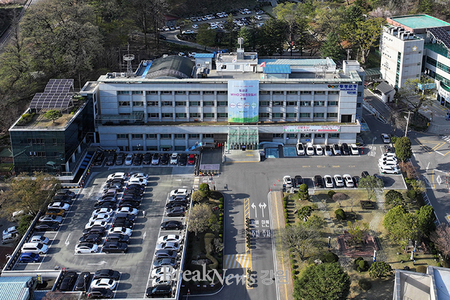
▲ 경기도 청사[제공=경기도] © |
경기도가 고령화 시대 지역공동체 회복을 위한 ‘세대통합형 도시공간’ 조성을 제도화했다. 단순한 주거 공급을 넘어, 세대가 섞여 사는 도시 구조를 정책적으로 설계하겠다는 취지다.
경기도는 13일, 지난 12일 열린 경기도의회 제388회 임시회 본회의에서 「경기도 지역사회 계속거주 도시공간 조성 지원 조례 일부개정조례안」이 의결됐다고 밝혔다. 이번 개정안은 유영일 경기도의원이 대표 발의했다.
‘에이징 인 플레이스’의 제도적 기반
이번 조례 개정의 핵심은 ‘지역사회 계속거주(에이징 인 플레이스·Aging in Place)’ 개념을 도시공간 계획에 구체적으로 반영했다는 점이다.
지역사회 계속거주는 고령자가 시설이나 타 지역으로 이동하지 않고 현재 거주지에서 돌봄과 복지 서비스를 받으며 살아가도록 하는 정책 방향이다. 그동안 복지 영역 중심으로 논의돼 왔지만, 이번 개정은 이를 도시계획 차원으로 확장했다는 데 의미가 있다.
조례는 계속거주 도시공간 조성 기본계획을 수립할 때 ‘공간의 세대통합성’을 반드시 고려하도록 명시했다. 이에 따라 아동·청년·중장년·노인이 같은 생활권 안에서 주거단지, 공원, 커뮤니티센터 등을 함께 이용할 수 있도록 계획 단계부터 반영해야 한다.
‘경기유니티’ 모델 확산 근거 마련
경기도는 이미 경기주택도시공사를 통해 남양주 다산신도시에 생활밀착형 커뮤니티 공간인 ‘경기유니티’를 설치해 시범 운영 중이다. 이 사업은 아동부터 고령자까지 전 세대가 함께 이용할 수 있는 공간복지 혁신모델로 평가받고 있다.
이번 개정안에는 이러한 시범사업 성과를 토대로 ‘경기도형 계속거주 도시공간 모델’을 확산할 수 있는 근거 규정도 신설됐다. 시범사업에 그치지 않고 정책모델로 제도화해 도 전역으로 확대할 수 있는 발판을 마련한 셈이다.
주거·돌봄·커뮤니티 결합한 ‘관계 중심 도시’로
경기도는 이번 조례 개정이 주거·돌봄·커뮤니티 기능을 연계한 관계 중심 지역사회로의 전환을 촉진할 것으로 기대하고 있다. 특히 지역별 생활 인프라 격차를 고려해 맞춤형 계속거주 모델을 구축함으로써, 세대 간 단절 완화와 공동체 활성화 효과를 동시에 노린다는 전략이다.
김태수 경기도 주택정책과장은 “세대가 함께 살아갈 수 있는 도시공간을 제도적으로 뒷받침할 기반을 마련했다는 점에서 의미가 크다”며 “지역사회 계속거주 실현과 공동체 회복에 실질적으로 기여할 것”이라고 밝혔다.
이번 조례 개정은 고령화 대응 정책이 복지 차원을 넘어 도시구조 개편으로 확장되고 있음을 보여주는 사례로, 향후 도내 시·군의 도시계획과 공공주택 정책에 적지 않은 변화를 예고하고 있다.
아래는 위 기사를 ‘Google 번역’으로 번역한 영문 기사의 ‘전문’이다. ‘Google 번역’은 이해도를 높이기 위해 노력하고 있다. 영문 번역에 오류가 있을 수 있음을 전제로 한다. <*The following is [the full text] of the English article translated by ‘Google Translate’ and amended. ‘Google Translate’ is working hard to improve understanding. It is assumed that there may be errors in the English translation.>
Gyeonggi Province Institutionalizes "Generation-Integrated Urban Spaces"…Full-fledged Continuing Residence Policy
Provincial Council Passes Revision to Related Ordinance…Mandatory Inclusion of Generational Integration from Planning Stage
Gyeonggi Province has institutionalized the creation of "generation-integrated urban spaces" to revitalize local communities in the aging society. The goal is to go beyond simple housing supply and design a policy-based urban structure where generations coexist.
Gyeonggi Province announced on the 13th that the "Partial Amendment to the Gyeonggi Province Ordinance on Supporting the Creation of Community-Integrated Residence Urban Spaces" was passed at the plenary session of the 388th extraordinary session of the Gyeonggi Provincial Council held on the 12th. This amendment was sponsored by Gyeonggi Provincial Council Member Yoo Young-il.
■ Institutional Foundation for "Aging in Place"
The core of this ordinance revision is the specific incorporation of the concept of "aging in place" into urban space planning.
Community-based continued residence is a policy direction that allows seniors to live in their current residences, receiving care and welfare services, without having to move to facilities or other areas. While previously discussed primarily in the welfare sector, this revision is significant in that it expands this concept to the urban planning level.
The ordinance stipulates that "generational integration of space" must be considered when establishing a basic plan for developing urban spaces for continued residence. Accordingly, the planning stage must incorporate the shared use of residential complexes, parks, and community centers by children, youth, middle-aged adults, and the elderly within the same living area.
■ Establishing a Basis for Expanding the "Gyeonggi Unity" Model
Gyeonggi Province has already established and is piloting "Gyeonggi Unity," a community space closely tied to daily life, in Dasan New Town in Namyangju through the Gyeonggi Housing and Urban Corporation. This project is recognized as an innovative model for spatial welfare that can be utilized by all generations, from children to the elderly.
This revision also establishes a new provision to support the expansion of the "Gyeonggi-style continued residence urban space model" based on the success of this pilot project. This goes beyond a pilot project and establishes a foundation for institutionalizing the policy model and expanding it across the province.
■ A "Relationship-Centered City" Combining Housing, Care, and Community
Gyeonggi Province expects this ordinance revision to accelerate the transition to a relationship-centered community that integrates housing, care, and community functions. Specifically, by considering regional differences in living infrastructure and establishing a customized continuous residence model, the strategy aims to simultaneously mitigate generational disconnection and revitalize communities.
Kim Tae-soo, Director of the Gyeonggi Province Housing Policy Division, stated, "This is significant in that it establishes the institutional foundation to support urban spaces where generations can live together. It will contribute substantially to the realization of continuous residence in local communities and the revitalization of communities."
This ordinance revision demonstrates that aging-related policies are expanding beyond welfare to include urban restructuring, heralding significant changes in urban planning and public housing policies across the province.
원본 기사 보기:경기브레이크뉴스&주간현대신문