박철성 기자 <리서치센터 국장·칼럼니스트>
■ 알고 있었지만, 결정은 없었다
국세청도, 빗썸도 인지하고 있었다.
그럼에도 국가는 판단하지 않았다.
판단이 유예된 구조에서 사고는 되풀이됐다.

|
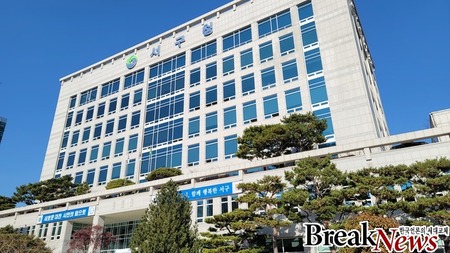
▲국세청. 수년간 반복적으로 포착된 1인 기획사·편법 법인 구조. 자료는 쌓였지만, 기준은 끝내 제시되지 않았다. 판단을 유예한 행정의 시간이, 사고를 키웠다.
■ 국세청 파트. 기준이 사라진 국가
1인 기획사와 편법 법인, 과세 회피로 이어진 구조.
국세청은 이 문제를 방치한 기관이 아니다.
자료는 축적됐고, 문제는 인지되고 있었다.
이 구조는 수년간 반복적으로 포착돼 왔다.
보고는 누적됐고, 내부 검토도 이어졌다.
그러나 그 지점에서 멈췄다.
기준은 제시되지 않았다.
추징은 통보였고, 판단은 유예됐다.
문제는 불법이었는가가 아니다.
왜 합법과 불법의 경계가 끝내 정리되지 않았는가다.

|
■ 빗썸 파트. 통제가 멈춘 플랫폼
빗썸은 몰랐다고 말할 수 없다.
오지급 사고는 한 번이 아니었고, 내부 통제의 취약성은 반복됐다.
사고가 터질 때마다 설명은 같았다.
기술적 오류였다.
그러나 오류는 반복됐고, 구조는 바뀌지 않았다.
플랫폼은 알고 있었다.
금융위원회와 금융감독원 역시 이를 인지하고 있었다.
그럼에도 판단은 내려지지 않았다.
영업은 계속됐고, 제재는 없었다.
기준은 공식화되지 않았고, 책임은 유예됐다.
문제는 사고가 있었느냐가 아니다.
왜 반복돼도 멈추지 않았는가다.
■ 같은 구조, 다른 사건
두 사안은 겉으로는 전혀 다른 영역의 사건처럼 보인다.
하나는 과세의 문제였고, 하나는 거래소 사고였다.
그러나 구조는 같았다.
정보는 축적됐고, 위험은 인지됐다.
그럼에도 기준은 정리되지 않았고, 결정은 미뤄졌다.
국세청에서는 추징이 판단을 대신했고,
빗썸에서는 설명이 제재를 대신했다.
사건의 성격은 달랐지만,
국가가 선택한 태도는 같았다.
알고 있었고, 멈추지 않았다.
■ 판단하지 않은 국가, 비용은 국민이 치렀다
판단을 미룬 대가는 국가가 치르지 않았다.
그 비용은 아래로 내려갔다.
항상 그랬다.
국세청의 유예는
과세 기준의 공백을 개인에게 넘겼다.
합법과 불법의 경계는 흐려졌고,
위험은 납세자의 몫이 됐다.
빗썸의 유예는
사고의 충격을 이용자에게 남겼다.
거래는 멈췄지만,
책임은 멈춘 적이 없었다.
판단이 빠진 자리에 남은 것은
혼란이 아니라 손실이었다.
국가가 결정을 미룰수록,
비용은 늘 국민이 떠안았다.

|
▲이재명 대통령. “자질 없는 공무원이 시스템을 망가뜨린다”는 발언. 말은 강했지만, 국가는 판단하지 않았다. 언어와 행동의 간극이 구조로 굳어졌다.
■ 그래서 국가는 왜 판단하지 않았는가
이 질문은 결국 사람의 문제로 돌아온다.
지금의 국가는 누구의 언어로 작동하고 있는가다.
이재명 대통령은 과거 반복해서 말했다.
자질 없는 공무원이 시스템을 망가뜨린다고.
책임을 회피하는 행정이 국민에게 비용을 전가한다고.
말은 명확했다.
판단하지 않는 행정은 무능이 아니라, 직무유기라는 인식이었다.
그러나 현실의 국가는 달랐다.
국세청은 알고 있었으면서 기준을 제시하지 않았고,
빗썸 사태에서도 금융위원회와 금융감독원은
인지 이후에도 판단을 내리지 않았다.
판단은 결론을 낳고,
결론은 책임자를 호출한다.
그래서 국가는 판단 대신 절차를 선택했다.
국세청에서는 추징으로 시간을 벌었고,
빗썸에서는 설명으로 사고를 넘겼다.
조치는 있었지만, 판단은 없었다.
이 구조에서 가장 안전한 선택은
아직 판단할 단계가 아니다라는 문장이었다.
그 문장이 반복되는 동안, 사고는 멈추지 않았다.
문제는 기준이 없어서가 아니다.
기준을 세우면 책임이 생기기 때문이다.
이재명이 말한 자질 없는 공무원은
현장의 누군가를 가리키는 말이 아니었다.
판단을 미루는 국가의 습관,
그 자체를 겨냥한 말이었다.
그래서 이 질문은 남는다.
국가는 왜 판단하지 않았는가가 아니라,
누가 판단하지 않기로 선택했는가다.
■ 국가의 언어와 국가의 행동은 왜 달랐는가
국가의 언어는 분명했다.
무능한 행정은 배제하겠다고 했고,
책임 없는 공무원은 용납하지 않겠다고 했다.
말은 강했고, 기준은 명확한 듯했다.
그러나 행동은 달랐다.
국세청은 알고도 기준을 세우지 않았고,
금융위원회와 금융감독원은 인지하고도 결론을 미뤘다.
언어는 판단을 약속했지만,
행동은 판단을 회피했다.
국가는 늘 같은 방식으로 움직였다.
결정이 필요한 순간마다
절차를 앞세웠고,
설명을 반복했고,
시간을 벌었다.
말이 앞섰지만, 행동은 제자리에 머물렀다.
이 괴리는 실수가 아니다.
우발도 아니다.
의도된 선택이다.
언어는 책임을 요구했지만,
행동은 책임을 발생시키지 않는 방향으로 설계됐다.
판단은 결론을 낳고, 결론은 책임자를 특정한다.
그래서 국가는 판단하지 않는 쪽을 선택했다.
그 결과,
국가의 언어는 국민을 향했고,
국가의 행동은 조직을 보호했다.
말은 위에서 아래로 흘렀고,
비용은 아래에서만 쌓였다.
이 간극이 해소되지 않는 한,
사고는 반복되고,
판단은 다시 유예된다.
국가의 언어가 문제가 아니다.
문제는, 그 언어를 행동으로 옮길 의지조차 없었다는 사실이다.
■ 판단하지 않는 국가는 사고를 관리할 수 있는가
답은 이미 나와 있다.
관리할 수 없다.
사고는 우연히 터지지 않는다.
판단이 미뤄진 자리에 쌓이고,
결정이 사라진 구조에서 반복된다.
국가는 늘 같은 방식으로 대응해 왔다.
사고가 나면 설명했고,
문제가 커지면 절차를 앞세웠다.
그러나 결론은 없었다.
판단하지 않는 국가는
사고를 예방하지 못한다.
사고를 관리하지도 못한다.
다만 사고를 연장할 뿐이다.
국세청이 그랬고,
빗썸 사태에서도 같았다.
알고 있었지만 멈추지 않았고,
인지하고도 결론을 내리지 않았다.
국가는 판단하지 않음으로써
조직을 보호했고,
책임을 유예했고,
비용을 아래로 내려보냈다.
그 결과 사고는 또 반복됐고,
손실은 또 국민에게 남았다.
이제 질문은 이것이다.
다음 사고도 같은 방식으로 관리할 것인가.
판단하지 않는 국가는
사고를 관리하는 국가가 아니다.
사고를 방치하는 국가다.
■ 판단 유예란 무엇인가
판단 유예란, 알고도 결정하지 않는 선택이다.
불법을 확정하지도,
합법을 선언하지도 않은 채
시간이 대신 결론을 내리게 하는 국가의 습관이다.
여기까지다.
아래는 위 기사를 구글 번역을 통해 영문으로 옮긴 전문입니다. 이해를 돕기 위한 참고용 번역으로, 일부 표현에는 원문의 뉘앙스와 차이가 있을 수 있습니다.
The following is a reference translation generated for reader convenience. Some nuances may differ from the original Korean text.
■ The National Tax Service Knew.
■ Bithumb Knew.
■ A State That Learned to Function Without Judgment.
By Park Cheol-seong, Veteran Journalist
<Director of the Research Center · Columnist>
■ They Knew, Yet No Decision Was Made
Both the National Tax Service and Bithumb were fully aware of the risks.
Still, the state chose not to judge.
Within a structure where judgment was deferred, accidents repeated themselves.
|
|
▲National Tax Service of Korea. Years of data accumulated on one-person agencies and shell corporations, yet no clear standard was ever announced. The state knew the structure. It simply chose not to decide.
■ National Tax Service. A State Without a Standard
One-person agencies, shell corporations, and tax avoidance structures.
The National Tax Service was not an institution unaware of this problem.
Data accumulated, and the risks were clearly recognized.
This structure had been detected repeatedly over many years.
Reports piled up. Internal reviews continued.
And then everything stopped.
No standard was announced.
Tax collection notices replaced judgment.
Decisions were deferred.
The question was not whether the practice was illegal.
The real question was why the boundary between legality and illegality was never clarified.
|
|
▲ Bithumb homepage. Marketed as a “safe financial partner,” even as erroneous payouts and internal control failures were repeated. There were explanations. There was never a conclusion.
■ Bithumb. A Platform Where Control Stopped
Bithumb cannot claim ignorance.
Erroneous payouts occurred more than once.
Internal control failures were repeated.
Each time an incident occurred, the explanation was the same.
A technical error.
Yet the errors repeated.
The structure did not change.
The platform knew.
The Financial Services Commission knew.
The Financial Supervisory Service knew as well.
Still, no judgment followed.
Business continued.
No sanctions were imposed.
No official standard was established.
Responsibility was postponed.
The problem is not that accidents happened.
The problem is why nothing stopped even after they repeated.
■ Same Structure, Different Incidents
At first glance, these cases appear unrelated.
One concerns taxation.
The other involves a cryptocurrency exchange failure.
But the structure was identical.
Information accumulated.
Risks were recognized.
Yet standards were never defined, and decisions were delayed.
At the National Tax Service, tax collection substituted for judgment.
At Bithumb, explanations replaced enforcement.
The nature of the incidents differed.
The state’s posture did not.
It knew, and it did not stop.
■ A State That Did Not Decide, and the Cost Paid by the Public
The price of deferred judgment was not paid by the state.
It was passed downward.
As it always is.
At the National Tax Service, postponement shifted uncertainty onto taxpayers.
The boundary between legal and illegal blurred.
Risk became the individual’s burden.
At Bithumb, postponement left the shock with users.
Trading was halted.
Responsibility never was.
What remained was not confusion.
It was loss.
The longer the state delayed decisions,
the more the cost was transferred to the public.
|
|
▲ President Lee Jae-myung. “Unqualified officials destroy systems,” he warned. The language was firm. The state’s actions, however, stopped short of judgment.
■ So Why Did the State Refuse to Judge
This question ultimately returns to people.
Whose language is the state operating in now.
President Lee Jae-myung has said this repeatedly in the past.
Unqualified officials destroy systems.
An administration that avoids responsibility shifts costs onto citizens.
The message was clear.
An administration that refuses to judge is not merely incompetent.
It is neglecting its duty.
Reality, however, diverged from the rhetoric.
The National Tax Service knew but failed to establish standards.
In the Bithumb case, the Financial Services Commission and the Financial Supervisory Service recognized the risks yet withheld judgment.
Judgment produces conclusions.
Conclusions summon accountability.
That is why the state chose procedure over decision.
At the National Tax Service, time was bought through tax notices.
At Bithumb, explanations were used to move past the incident.
Actions existed.
Judgment did not.
The safest sentence in this structure was always the same.
It is not yet time to make a determination.
As long as that sentence was repeated, incidents never stopped.
The issue was never the absence of standards.
Establishing standards creates responsibility.
When President Lee spoke of unqualified officials,
he was not pointing at a single bureaucrat.
He was naming a habit.
The habit of a state that postpones judgment.
So the question remains.
Not why the state failed to judge,
but who chose not to judge.
■ Why Did the State’s Language and Actions Diverge
The state’s language was firm.
It promised to eliminate incompetent administration.
It vowed not to tolerate irresponsible officials.
The words were strong.
The standards sounded clear.
But the actions told a different story.
The National Tax Service knew and still avoided defining standards.
The Financial Services Commission and the Financial Supervisory Service recognized the problem and delayed conclusions.
Language promised judgment.
Action avoided it.
The state followed a familiar pattern.
When decisions were required,
it emphasized procedures,
repeated explanations,
and bought time.
Words moved forward.
Actions stayed still.
This gap was not accidental.
It was not unintended.
It was a deliberate choice.
Language demanded responsibility.
Action was designed to prevent responsibility from arising.
Judgment produces conclusions.
Conclusions identify who is accountable.
So the state chose not to judge.
As a result,
the state’s language targeted the public,
while its actions protected organizations.
Words flowed downward.
Costs accumulated below.
Unless this gap is resolved,
incidents will repeat,
and judgment will again be postponed.
The problem is not the language.
The problem is that there was never the will to act on it.
■ Can a State That Refuses to Judge Manage Accidents
The answer is already clear.
It cannot.
Accidents do not occur by chance.
They accumulate where judgment is postponed
and decisions disappear from the system.
The state has always responded the same way.
When accidents occurred, it explained.
When problems escalated, it relied on procedure.
Conclusions never followed.
A state that refuses to judge cannot prevent accidents.
It cannot manage them either.
It can only prolong them.
This was true at the National Tax Service.
It was true in the Bithumb case.
The state knew.
It did not stop.
It recognized the risk and refused to conclude.
By avoiding judgment,
the state protected organizations,
postponed accountability,
and transferred costs downward.
As a result, accidents repeated.
Losses remained with the public.
The final question is simple.
Will the next incident be handled the same way.
A state that refuses to judge does not manage accidents.
It allows them.
■ What Judgment Deferral Means
Judgment deferral is the choice to know and still not decide.
It neither declares illegality
nor affirms legality.
Instead, it allows time to reach a conclusion on behalf of the state.
That is the habit.
That is where this ends.
원본 기사 보기:호주브레이크뉴스