직헌 허달재 화가의 “삶을 품다” 제목의 전시회가 3월 18일 오후 3시 개막된다. 이 전시회는 6월14일까지, 전남도립미술관 초청으로, 전라남도 도립미술관(전라남도 광양시 광양읍 순광로 660)에서 열린다.
허달재 화가(1952년 생)는 6세부터 조부인 의제 허백련의 가르침을 맹렬공부-참구했다. 미국-중국-아랍에미리트 등의 국가에서 가졌던 그림 전시회 때 완판(完版)으로, 또는 교수생활로 그 명성을 입증한 한국 남종화(南宗畵)의 거두(巨頭)임에 틀림없다.
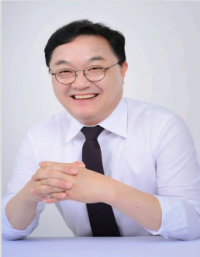
 ▲ 허달재 ©브레이크뉴스 |
조부 허백련은 국권 피탈 후 도일(渡日)해 유학하며 근대화를 두루 익혀 귀국한 후 귀향, 평생 진도 광주에서 남종화를 그려냈다. 또는 후학을 기른, 일제 강점기 당시 식민지 예술 르네상스 은둔의 처사로서 최고봉에 오른 인물이다. 그 가르침을 6세부터 받은 직헌 허달재 또한 남종화의 청출어람 후계자로 출중하다. 미국에서의 교수 생활, 중국 베이징에서의 태자당 주변 예술인과의 10여 년에 걸친 교류, UAE의 아부다비 대작 컬렉션 완판이라는 예술 외교관으로서 국가의 명예를 드높인 인물이다.
당나라 때 신라의 삼국통일이 이루어지면서 그간 사신 외교에 머물렀던 관계에서 대대적인 유학생 교류와 무역으로 한중관계는 실질적인 문화교류가 점차 발흥 된 시기로 추정할 수 있다. 이어 임진왜란에 대규모 파병으로 도요토미 군대를 몰아낸 이후 조선과 명은 군사동맹체로 격상되면서 문물과 문화의 전방위적 교류가 가속화 됐다. 상호 군사적 요구가 문물교류를 촉진제로 확대되면서 한중간 예술도 영향을 주고받은 것이 사실이다.
여기서 우리가 난해한 의미로 갸우뚱하는 남종화(南宗畵)와 북종화(北宗畵) 차이가 무엇인가를 아는 관람객은 많지 않다. 그 차이는 어떤 그림에서 사진 찍듯 정교하냐, 리히텐슈타인이 “행복한 눈물”에서 왜 여인의 양 눈가에 눈물을 그려 넣어 포스터 같은 그림이 200억이 넘는데도 재벌가에서 귀하게 보존하느냐의 심미적(審美的) 가치를 가려내느냐에 있을 것이다.
북종화는 사진 찍듯 그려내 붓의 연단과 기교를 중시하여 얼핏 “형상과 전형” 측면에서, 일반 학원에서 미대에 가기 위해 다비드상을 놓고 누가 정교하게 그리느냐를 중시한다. 그 정교함을 얻기 위해 작가와 수련생은 끊임없이 심신을 연단의무를 주장한다. 점수(漸修), 깨달음을 얻기 위해 평생 더러워진 마음을 걸레로 닦고 정진해야 한다는 논리다. 실수와 잘못, 범죄자에게도 재생의 기회를 줘야 한다는 반법률적 반인륜적 도덕성에 용서하는, 자칫 무서운 도덕적 불씨가 될 수도 있다. 즉, 붙여놓고 닦자는 북종화와 단숨에 그릇됨과 삿됨을 손가락 자르듯 결단과 심신교정이 필요하다는 측면에서 남종화는 분명 다른 사상적 차이가 있다.
이에 반해 남종화(南宗畵)는 절벽에서 발걸음을 한 발 내딛고 칼끝에 선 자세로 마음을 담는, 돈오(頓悟)라 하여 세상 이치를 단박에 깨우쳐 진리의 길로 항진(航進)하라는 결의와 항심(恒心)을 촉구하고 있다. “마음 밭을 닦았는데 인생이 달을 가리키는 손가락만 주구장창 쳐다보느냐?”란 죽비와 대갈(大喝)도 품고 있다.
즉, 북종화에서 물상의 기교와 사실구현을 중시했다면, 남종화는 화가 심상(心像)의 자유로움과 해탈성불한 청정무구한 마음과 항시여일한 참선의 결과물로서 가치를 지닌다. 이 북종화와 남종화의 차이는 그리 쉽게 이해될 수 있는 바가 아니다.
 ▲ 허달재 화가의 전시회 도록. ©브레이크뉴스 |
부처 이전에도 인도 네팔에는 힌두교가 있어 많은 수행 명상가가 길거리에 널려 있었다. 부처는 이 수행자들 가운데 가장 많은 추종자가 따라 오늘날 동남아 국가의 도덕과 윤리 사상적 스승이 되었다. 하지만 부처도 80세에 이르러 자기 생각을 전해야 했다. 제자를 불러 부처가 연꽃을 들어 보였다. 아무도 그 뜻을 알지 못했다. 오직 가섭만이 미소를 짓자, 부처가 입을 열어 생전의 법안계(法眼界)와 열반 후 모든 불법을 가섭에게 전한다고 선언했다. 부처는 지식보다 가섭을 관심(觀心)한 것이다.
이어, 이 돈오돈수(頓悟頓修) 수행법은 달마-혜가-혜능-조주선사-성철 등으로 선맥(禪脈)이 이어져, 돈오(頓悟)의 정신이 의제 허백련 직헌 허달재의 붓으로 그 혼맥이 되살아나고 있는 것이다.
남종화는 이런 무수한 명상과 참선을 통한 그림들에 혈관과 신경을 이어 관람객들에게 맑고 따뜻한 작품을 내어 “함께!”라는 화두를 던지는 선화(禪畵)임을 기초 인식이 따르지 않으면 심오한 그 정신세계를 엿볼 수 없다. 고뇌하는 환쟁이다. 조부 의제 허백련에게서 6세부터 붓으로 마음을 연단했으니, 그 참선과 명상 속에 녹아 있는 고뇌와 인간애를 어찌 가늠할 수 있으랴!
그 아름다움은 혼의 세포로 이는 거대한 인간세계 밥상 보자기와 같다고 감히 선언한다. 남종화는 말한다. 어찌 눈으로 보고도 진실과 도리를 외면하는가? 분변(糞便)과 된장을 구별하는데, 굳이 코를 대봐야 알겠는가? 알았으면, 들에 내다 버리고 된장은 장독대에 고이 담아두면 될 터, 우리 인간사도 그리되면 법은 멀리 둬도 편안하고 든든하며 향기롭다네!
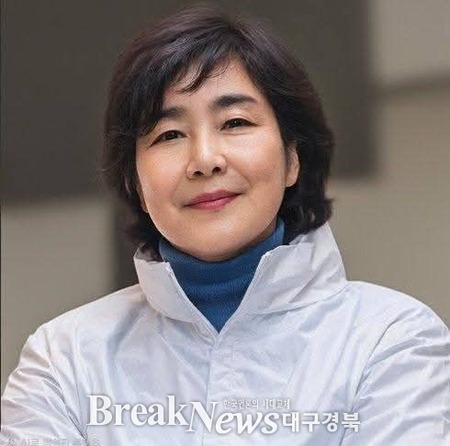
 ▲ 필자/이래권 작가. ©브레이크뉴스 |
세상 시름 가득한 시절, 매화 향기 가득 치솟아 오르는 남녘 빛고을 광양 전남도립미술관에서 직헌 허달재의 고뇌를 극복한 명상과 참선의 그림들을 보기에 더없이 좋은 따뜻함이 전국으로 향하고 있음을 알린다.
3월 초순이면, 광양엔 지천으로 매화꽃이 열리고 겨우내 덕은 춘설 작설차도 뭇 발걸음을 기다리고 있을 즈음이다.
매화꽃 지천인 산들 앞으론 허허로운 쪽빛 남해가 열려 있다. 그림 차 바다를 동시에 즐길 일석삼조의 드문 기회다. 돈오(頓悟), 일상이 단조롭고 팍팍하거든 단박에 출입문을 나설 일이다. samsohun@naver.com
*필자/이래권 작가. 칼럼니스트.
*아래는 위 기사를 '구글 번역'으로 번역한 영문 기사의 [전문]입니다. '구글번역'은 이해도 높이기를 위해 노력하고 있습니다. 영문 번역에 오류가 있을 수 있음을 전제로 합니다.<*The following is [the full text] of the English article translated by 'Google Translate'. 'Google Translate' is working hard to improve understanding. It is assumed that there may be errors in the English translation.>
[Exhibition Review] Jeonnam Provincial Art Museum Invites Artist Heo Dal-jae to Present "Embracing Life" Exhibition
- Artist Lee Rae-kwon
An exhibition titled "Embracing Life" by artist Heo Dal-jae will open at 3:00 PM on March 18th. The exhibition will run until June 14th at the Jeonnam Provincial Art Museum (660 Sunkwang-ro, Gwangyang-eup, Gwangyang-si, Jeollanam-do) at the invitation of the Jeonnam Provincial Art Museum.
Painter Heo Dal-jae (born 1952) has diligently studied and followed the teachings of his grandfather, Heo Baek-ryeon, since the age of six. He is undoubtedly a leading figure in Korean Southern School painting, having proven his reputation through sold-out exhibitions in countries like the United States, China, and the United Arab Emirates, and through his teaching career.
His grandfather, Heo Baek-ryeon, traveled to Japan after the loss of Korean sovereignty, where he studied modernization. Upon returning home, he devoted his life to painting Southern School paintings in Jindo and Gwangju. He also nurtured his students and rose to the pinnacle of the colonial art renaissance during the Japanese colonial period as a hermit. Jikheon Heo Dal-jae, who received his teachings from the age of six, is also an outstanding successor to the tradition of Southern School painting. He served as a professor in the United States, spent over a decade interacting with artists surrounding the Crown Prince's Palace in Beijing, and sold out his collection of masterpieces in Abu Dhabi, UAE, as an artistic diplomat, bringing national honor to his country.
Following the unification of the Three Kingdoms by Silla during the Tang Dynasty, Korea-China relations, previously confined to diplomatic relations, gradually developed into substantial cultural exchanges, with extensive exchanges of students and trade. Following the massive deployment of troops during the Imjin War, which drove out the Toyotomi army, Joseon and Ming were elevated to a military alliance, accelerating comprehensive cultural exchanges. It's true that the mutual military demands fostered cultural exchanges, and the arts between Korea and China also influenced each other.
Few visitors understand the differences between Nanjong (南宗畵) and Bukjong (北宗畵) painting, which we often find difficult to grasp. The difference lies in discerning the aesthetic value of a painting, such as the photographic precision of a particular painting or why Lichtenstein's "Happy Tears"—a poster-like painting worth over 20 billion won—painted with tears in the corners of a woman's eyes, is treasured and preserved by a wealthy family.
Northern school painting emphasizes brush refinement and technique, painting as if taking a photograph. At first glance, it seems to focus on "form and archetype," like a typical academy focusing on who can paint the David with the greatest precision for admission to art school. To achieve this precision, artists and apprentices insist on relentless training of mind and body. This logic posits that a lifetime of gradual cultivation and enlightenment requires wiping the tainted heart with a rag and striving diligently. This unjust and inhumane morality, which demands that even mistakes, wrongdoings, and criminals be given a chance to regenerate, can easily become a terrifying moral spark. In other words, Northern school painting, which emphasizes the practice of applying and then polishing, and Southern school painting, which emphasizes the need for decisive action and mental and physical correction, like cutting off a finger to immediately address wrongdoing and misdeeds, present a distinct ideological difference.
In contrast, Southern School painting, like the sudden awakening (頓悟) of a cliff, urges the determination and perseverance of a person to suddenly awaken to the ways of the world and advance on the path of truth, taking a single step forward and standing on the edge of a sword. It also embodies the refrain, "I have cultivated the field of my mind, but why does life only stare at the finger pointing to the moon?"
In other words, while Northern School painting emphasized the artist's skillful depiction of material objects and realistic representation, Southern School painting holds value as the result of the artist's freedom of mental imagery, the pure and innocent mind of liberation and Buddhahood, and the constant practice of Zen meditation. This difference between Northern and Southern School painting is not easily understood.
Even before the Buddha, Hinduism existed in India and Nepal, and many practitioners of meditation were ubiquitous on the streets. Among these practitioners, the Buddha had the largest following and became a moral and ethical thinker in Southeast Asian countries today. However, even at the age of eighty, he had to share his thoughts. Calling his disciples, he held up a lotus flower. No one understood its meaning. Only Mahakasyapa smiled, and the Buddha opened his mouth and declared that he would transmit to Mahakasyapa the entire Dharma from his lifetime, as well as the entire Dharma after nirvana. The Buddha was more interested in Mahakasyapa's contemplation than in his knowledge.
This practice of sudden enlightenment and sudden cultivation (Dona-o-don-su) continued the Zen lineage through Bodhidharma, Hye-ga, Hui-neng, Master Jo-ju, and Seong-cheol. The spirit of sudden enlightenment is being revived through the pens of Ije, Heo Baek-ryeon, and Heo Dal-jae.
Nam Jong-hwa's countless paintings, rooted in meditation and Zen meditation, connect the blood vessels and nerves, presenting viewers with clear and warm works that evoke the message of "Together!" Without a fundamental understanding, one cannot glimpse his profound spiritual world. He is a agonizing, agonizing artist. From the age of six, he refined his mind with the brush, guided by his grandfather, Heo Baek-ryeon. How can one fathom the agony and humanity embedded in his Zen meditation and meditation?
He boldly declares that beauty is the very essence of the soul, like the vast tablecloth of the human world. Nam Jong-hwa asks, "How can one ignore truth and reason when one sees it with one's own eyes? Do we really need to know the difference between feces and soybean paste? If we knew, we could just throw it out in the fields and store the soybean paste in a crock. If we could do that, our human affairs would be comfortable, secure, and fragrant, even when the law is far away!"
In this time of worldly sorrow, the southern city of light, filled with the fragrance of plum blossoms, is filled with the warmth of the Jeonnam Provincial Museum of Art, a place where the soul of Heo Dal-jae, a master of meditation and Zen meditation, overcomes his anguish. This warm feeling spreads throughout the country. In early March, plum blossoms bloom in Gwangyang, and the winter-long spring snow awaits the arrival of countless footsteps. Beyond the mountains, awash in plum blossoms, lies the vast, azure South Sea. It's a rare opportunity to enjoy both the painting and the sea—a rare opportunity to kill three birds with one stone. Dono (頓悟), when daily life feels monotonous and harsh, step out the door. samsohun@naver.com
*Author: Lee Rae-kwon, writer and columnist.