브레이크뉴스 김충열 정치전문기자 = 국회가 실시한 1만2천명 대규모 여론조사 결과, 우리 국민 10명 중 7명(68.3%)은 개헌에 찬성한다고 응답해 개헌에 대한 국민적 공감대가 형성된 것으로 확인됐다. 특히 비상계엄의 국회 통제를 강화해야 한다(77.5%)는 응답이 높게 나타났다. 개헌의 방식과 시기에 대해서는, 합의 가능한 부분부터 단계적으로 개헌을 추진하되, 시기는 6월 지방선거와 함께 실시하자는 의견이 가장 많았다.
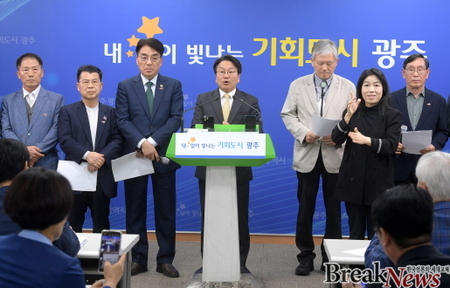
 ▲ 국회가 실시한 1만2천명 대규모 여론조사 결과, 우리 국민 10명 중 7명(68.3%)은 개헌에 찬성한다고 응답해 개헌에 대한 국민적 공감대가 형성된 것으로 확인됐다. 꽃처럼 피어나길... © 김충열 정치전문기자 |
대한민국국회(국회의장 우원식)는 2월 22일(일) 오후 2시 이 같은 내용을 담은「헌법개정 관련 대국민 설문조사」결과를 발표했다.
이번 조사는 개헌 관련 전례를 찾기 어려운 대규모·복합 조사다. 국민 1만명을 대상으로 온라인 설문조사를 실시하고, 2천명 규모의 대면 면접조사를 병행했다. 이는 그동안 개헌과 관련하여 실시된 1~2천명 내외의 소규모 여론조사들과는 차원이 다르다. 전국적인 수준에서 성·연령 등 표본의 대표성을 확보하고, 통상적 여론조사에서 사용하는 전화면접 방식으로는 조사하기 어려운 다수의 세부 문항에 대해서 응답받기 위한 방식이다.
이번 조사는 공신력 측면에서도 기존의 개헌 여론조사와는 차별화된다. 국회사무처가 발주하고, 여론조사 전문기관인 한국갤럽조사연구소와 한국 법학 분야를 대표하는 학술단체인 한국공법학회가 컨소시엄을 구성하여 수행했다. 또한 문항의 설계와 해석에서는 조사 전문가인 정치학자·사회학자 등으로 구성된 자문단을 구성·운영하여 전문성을 높였다.
이번 사업을 총괄한 한국갤럽조사연구소는 “본조사는 헌법개정이라는 주제를 중심으로 이뤄진 첫 번째 대규모 조사”라면서 “헌법개정이라는 주제가 전국의 모든 국민을 대표할 수 있도록 조사가 되어야 한다는 점을 고려하여 온라인 조사에 더해, 고령층 대표성 제고를 위한 면접조사를 병행했다”고 전했다. 이어 연구소는 “설문지 설계 시에도 여론조사기관 이외에 법률·정책·정치 전문가 등이 참여하여 어느 쪽으로도 치우치지 않은 객관적인 설문지를 개발하기 위해 최대한 노력했다”고 밝혔다.
설문 내용도 차별화했다. 그간 개헌 여론조사는 주로 일부 헌법 조문이나 부분적 개헌 내용을 중심으로 이뤄져 왔다. 이번 조사는 ▲개헌의 필요성 ▲개헌의 방법과 절차 ▲추진 시기 ▲주요 의제 전반에 대한 국민 인식을 종합적으로 확인하도록 구성됐다.
먼저, 이번 조사에서는 헌법의 계엄 관련 제도를 보완하고 국회의 통제권을 강화하는 방안에 대한 국민적 공감대가 확인됐다. ‘계엄 선포 시 국회가 승인하지 않으면 자동으로 무효가 되도록 해야 한다’는 의견에 77.5%가 찬성했고, ‘국회 의결 시 계엄이 즉시 무효가 되도록 해야 한다’는 의견에도 77.5%가 찬성했다.
개헌이 필요한 이유, ‘사회적 변화 및 새로운 문제에 대한 대응 필요’ 70.4%
개헌의 필요성에 대한 국민적 공감대도 확인할 수 있었다. 전체 응답자의 68.3%가 개헌에 찬성했으며, 그 이유로는 사회적 변화 및 새로운 문제에 대한 대응 필요성(70.4%)을 가장 많이 선택했다. 개헌의 방법으로는 합의가 가능한 의제를 중심으로 한 단계적 개헌을 지지한다는 의견이 69.5%에 달했다. 단계적 개헌을 추진한다면 그 시점으로는 6월 지방선거(39.6%)를, 개헌을 주도할 주체로는 국회(37.2%)를 가장 많이 꼽았다.
이러한 개헌의 필요성 및 방법‧시기에 대한 의견은 대한민국국회가 지난 1월 9일 발표한「헌법개정 관련 전문가 대상 심층면접조사」결과와 일치한다. 당시 조사에서는 ▲개헌의 시급성과 필요성, ▲국회 및 국회의장 주도의 추진 체계 필요성, ▲지방선거와 개헌 투표의 동시 진행 및 단계적 개헌 등에 대한 지지가 확인되었다. 이처럼 지난 전문가 조사와 이어서 실시된 이번 대국민 조사 결과를 종합하면, 전문가와 일반 국민 모두 개헌의 필요성 등에 대해 공감대를 형성하고 있다고 평가할 수 있다.
헌법 전문에 역사적인 민주화 운동 명시...
5·18민주화운동(90.6%), 6·10민주항쟁(73.9%), 부마민주항쟁(58.2%) 순
한편, 이번 대국민 조사에서는 개헌 추진이 가능한 의제를 파악하기 위해 의제별 설문을 실시했으며, 주요 의제별 조사 결과는 다음과 같다.
첫째, ‘헌법 전문에 역사적인 민주화 운동을 명시하는 방안’에 대해서는 찬성(59.8%)이 반대(26.7%)보다 두 배 이상 높게 나타났다. 찬성한 사람에게 명시해야 할 민주화 운동을 설문한 결과, 5·18민주화운동(90.6%), 6·10민주항쟁(73.9%), 부마민주항쟁(58.2%)의 순으로 찬성률이 높게 나타났다.
지역균형발전에 대한 국가책임을 헌법에 명시하자는 의견 83.0%
둘째, ‘자치분권 및 균형발전’과 관련해 국가가 지역 간 불균형 해소와 지역균형발전을 추진할 책임을 헌법에 명시하는 방안에 대하여 83.0%가 찬성했다.
셋째, ‘기본권’에 대해서는 생명권(85.9%), 안전권(87.2%), 개인정보자기결정권(79.9%)을 헌법에 추가하는 것에 다수가 찬성했다.
넷째, ‘미래지향적 개헌 의제’로서 기후위기 대응을 포함한 미래세대의 이익을 고려한 지속가능한 국가 운영 원칙을 헌법에 명시하는 방안에 74.8%가 찬성했다. 현행 헌법이 과학기술의 목적을 ‘경제발전’으로 규정하는 것에 대해 ‘국민의 삶의 질 향상’을 과학기술의 목적에 추가하는 방안에 84.1%가 찬성했다. 과학기술의 발전이 인간의 존엄 및 기본권과 조화를 이뤄야 한다는 원칙을 헌법에 명시하는 방안도 85.7%가 찬성했다.
바람직한 대통령 임기...현행 5년 단임제 유지 41.0%,
대통령 결선투표제 도입’ 찬성 54.6%, 반대 34.3%...4년 연.중임제 합산...56.0% 지지
다섯째, ‘바람직한 대통령 임기’와 관련해 현행 5년 단임제 유지 의견이 41.0%, 4년 연임제에 찬성하는 의견이 29.2%, 4년 중임제에 찬성하는 의견이 26.8%로 나타났다. 4년 연임제와 4년 중임제 답변을 합산할 경우 응답자의 56.0%가 4년 연·중임제 방식을 지지하는 것으로 확인됐다.
여섯째, ‘대통령 결선투표제 도입’과 관련해 찬성(54.6%)이 반대(34.3%)보다 높은 것으로 나타났고, 찬성 이유는 선거 결과의 수용성(52.5%) 때문이라는 응답이 가장 높았다.
이번 발표는 「헌법개정 관련 대국민 설문조사 및 초점집단면접(FGI)」 사업 가운데 정량적 조사 결과를 공개한 것이다. 현재 초점집단면접(FGI, Focus Group Interview)이 진행 중이며, 이러한 정성적 조사를 포함한 종합적 조사 결과를 통해 우리 국민의 개헌에 대한 인식을 보다 정확히 파악할 예정이다.
개헌, 국민투표법 개정...6월 지방선거와 동시 실시 가능할까?
하지만 6·3 지방선거와 동시에 개헌 국민투표를 실시하려면 국회에서 국민투표법 개정이 2월 안에 처리돼야 한다는 것이 정치권의 공통된 인식이다.
헌법재판소가 현행 국민투표법(재외국민 투표권 제한)에 대해 헌법 불합치 결정을 내린 바 있어, 개헌 국민투표를 진행하려면 반드시 법 개정이 선행되어야 한다. 국회서 데드라인은 우원식 국회의장이 “설 전후를 지방선거 동시투표를 위한 국민투표법 개정 시한”으로 언급했으며, 사실상 2월 내 개정 완료가 마지노선으로 평가된다.
따라서 개헌안은 국회 재적 의원 3분의 2 이상 찬성으로 의결된 뒤, 30일 이내 국민투표에 부쳐져야 한다. 국민투표법 개정이 늦어지면 6월 지방선거와 동시 실시가 불가능해진다.
요약하면 국회가 2월 안에 국민투표법을 개정하지 못하면 국민투표 절차상(국회 의결 → 국민투표 → 발효) 6·3 지방선거와 개헌 국민투표를 동시에 치르는 것은 사실상 불가능해진다. 과연 국회가 6일 밖에 남지 않은 시간 내에 개헌을 이뤄낼 수 있을까? 우리 국민 68.3%가 개헌에 찬성한다는 국민여론을 국회는 무시해선 안된다. 국회가 시간이 없어서 국민 절대다수의 여론을 묵살하는 것은 직무유기이다. 국회는 K-민주주의의 정수를 보여주었으면 한다. hpf21@naver.com
* 헌법개정 여론조사 자료 : https://download.mail.naver.com/file/download/each/?attachType=normal&mailSN=235273&attachIndex=2&virus=1&domain=mail.naver.com
* 아래는 위 기사를 '구글 번역'으로 번역한 영문 기사의 [전문]입니다. '구글번역'은 이해도 높이기를 위해 노력하고 있습니다. 영문 번역에 오류가 있을 수 있음을 전제로 합니다.
*The following is [the full text] of the English article translated by 'Google Translate'. 'Google Translate' is working hard to improve understanding. It is assumed that there may be errors in the English translation.
National Assembly: "68.3% of Koreans Support Constitutional Amendment"
77.5% Support Strengthening National Assembly Control over Martial Law
Constitutional Amendment to Be Implemented in Phases, Starting with Agreed-On Areas... First Amendment to Be Timed Simultaneously with June Local Elections
Break News, Political Reporter Kim Choong-Lyoul = According to a large-scale opinion poll of 12,000 people conducted by the National Assembly, seven out of ten Koreans (68.3%) supported constitutional amendments, confirming a national consensus on constitutional amendments. A particularly high percentage (77.5%) supported strengthening National Assembly control over martial law. Regarding the method and timing of constitutional amendments, the most common opinion was that the amendments should be implemented in phases, starting with areas where agreement is possible, but should be implemented concurrently with the June local elections.
The National Assembly of the Republic of Korea (Speaker Woo Won-sik) announced the results of a "National Survey on Constitutional Amendment" containing these findings at 2:00 PM on Sunday, February 22nd.
This survey is a large-scale, complex investigation unprecedented in its kind, especially for constitutional amendments. It involved an online survey of 10,000 citizens, coupled with face-to-face interviews with 2,000 individuals. This represents a significant departure from the smaller-scale opinion polls previously conducted on constitutional amendments, which typically involved 1,000 to 2,000 people. This approach ensured a nationally representative sample, including gender and age, and sought responses to numerous detailed questions that are difficult to collect using conventional telephone interviews.
This survey stands out from previous constitutional amendment polls in terms of its credibility. Commissioned by the National Assembly Secretariat, it was conducted by a consortium comprised of the Korea Gallup Research Institute, a public opinion research institute, and the Korean Public Law Association, a leading academic organization in Korean law. Furthermore, an advisory group comprised of political scientists and sociologists, among others, was formed and operated to enhance the expertise of the survey design and interpretation.
The Gallup Korea Research Institute, which oversaw this project, stated, "This is the first large-scale survey focused on the topic of constitutional amendment." They added, "Considering that the topic of constitutional amendment should be representative of all citizens across the country, we conducted an online survey in addition to face-to-face interviews to enhance the representation of the elderly." The institute continued, "In addition to the polling agency, experts in law, policy, and politics participated in the questionnaire design process, striving to develop an objective questionnaire free of bias."
The survey content was also differentiated. Previous public opinion polls on constitutional amendments have primarily focused on specific constitutional provisions or partial amendments. This survey was designed to comprehensively assess public perception on the necessity of constitutional amendments, the methods and procedures for constitutional amendments, the timing of implementation, and the overall key agenda.
First, the survey confirmed public consensus on supplementing the constitution's martial law provisions and strengthening the National Assembly's control. 77.5% agreed with the statement, "Martial law should be automatically invalidated if not approved by the National Assembly," and 77.5% also agreed with the statement, "Martial law should be immediately invalidated upon National Assembly approval."
70.4% cited "need for constitutional amendment" as the need to address social change and emerging issues.
The survey also confirmed a national consensus on the need for constitutional amendment. 68.3% of respondents supported constitutional amendment, with the most common reason being the need to address social change and emerging issues (70.4%). 69.5% supported a phased amendment focused on agenda items on which consensus can be reached. If a phased amendment were pursued, the June local elections (39.6%) were the most likely timeframe, and the National Assembly (37.2%) was the most likely entity to lead the amendment.
These opinions on the necessity, method, and timing of constitutional amendments are consistent with the results of the "In-Depth Interview Survey of Experts on Constitutional Amendment" announced by the National Assembly of the Republic of Korea on January 9th. The survey confirmed support for the urgency and necessity of constitutional amendments, the need for a National Assembly and Speaker-led implementation system, and simultaneous local elections and constitutional amendment votes, as well as a phased approach to constitutional amendments. Combining the results of the previous expert survey with the results of this national survey, conducted following the previous one, reveals a consensus among both experts and the general public on the necessity of constitutional amendments.
The Preamble to the Constitution cites historical democratization movements: the May 18th Democratization Movement (90.6%), the June 10th Democratic Uprising (73.9%), and the Bu-Ma Democratic Uprising (58.2%).
Meanwhile, this national survey conducted a questionnaire by agenda to identify potential agendas for constitutional amendment. The main results by agenda are as follows:
First, regarding the proposal to "inscribe historical democratization movements in the preamble of the Constitution," support (59.8%) was more than double that of opposition (26.7%). When asked which democratization movements should be included among those who supported the proposal, the May 18th Democratization Movement (90.6%), June 10th Democratic Uprising (73.9%), and the Bu-Ma Democratic Uprising (58.2%) were most frequently cited.
83.0% supported specifying state responsibility for balanced regional development in the Constitution.
Second, regarding "decentralization and balanced development," 83.0% supported specifying in the Constitution the state's responsibility to address regional imbalances and promote balanced regional development.
Third, regarding "fundamental rights," a majority supported adding the right to life (85.9%), the right to security (87.2%), and the right to self-determination of personal information (79.9%) to the Constitution.
Fourth, 74.8% of respondents supported a "forward-looking constitutional amendment agenda" that would incorporate principles of sustainable national governance that consider the interests of future generations, including climate crisis response, into the Constitution. 84.1% supported a proposal to add "improving the quality of life of the people" to the existing constitution's definition of the purpose of science and technology as "economic development." 85.7% also supported a proposal to stipulate in the Constitution the principle that scientific and technological advancements must be in harmony with human dignity and fundamental rights.
Desirable presidential term... 41.0% support maintaining the current 5-year single-term system,
54.6% support introducing a presidential runoff system, 34.3% oppose... 56.0% support combining the 4-year consecutive and multiple-term systems
Fifth, regarding the "desirable presidential term," 41.0% supported maintaining the current 5-year single-term system, 29.2% supported a 4-year consecutive term system, and 26.8% supported a 4-year multiple-term system. Combining the responses for the 4-year consecutive and multiple-term systems revealed that 56.0% of respondents supported the 4-year consecutive and multiple-term system.
Sixth, regarding the "introduction of a presidential runoff system," 54.6% supported it more than 34.3% opposed it. The most common reason for support was the acceptance of the election results (52.5%).
This announcement discloses the quantitative results of the "National Survey and Focus Group Interviews (FGI) on Constitutional Amendment." Focus group interviews (FGIs) are currently underway, and the comprehensive survey results, including qualitative data, will be used to more accurately gauge the public's perception of constitutional amendment.
Constitutional Amendment, National Referendum Law Amendment...Is It Possible to Hold a National Referendum Simultaneously with the June Local Elections?
However, the consensus in political circles is that if a national referendum on constitutional amendment is to be held concurrently with the June 3 local elections, the National Assembly must pass amendments to the National Referendum Law by February.
Since the Constitutional Court has ruled the current National Referendum Act (restricting overseas Koreans from voting) unconstitutional, a legal amendment is essential before a national referendum on constitutional amendment can be held.
In the National Assembly, Speaker Woo Won-shik stated that "the deadline for revising the National Referendum Act to allow for simultaneous local elections around the Lunar New Year holiday" as the deadline for completing the revision within February. In effect, the deadline for completing the revision is considered the deadline.
Therefore, the constitutional amendment must be approved by a two-thirds majority of the National Assembly members and submitted to a national referendum within 30 days. If the revision of the National Referendum Act is delayed, it will be impossible to hold the referendum simultaneously with the June local elections.
In short, if the National Assembly fails to revise the National Referendum Act by February, the simultaneous holding of the June 3 local elections and the national referendum on constitutional amendments will become virtually impossible due to the referendum procedure (National Assembly approval → national referendum → enactment). Will the National Assembly be able to achieve a constitutional amendment within the remaining six days? hpf21@naver.com