국가 R&D 총액 대비 기초연구 비중 10% 이상 명문화 추진
연구단절 방지 위한 회계 원칙 예외 적용 및 ‘국가기초과학연구소’ 지정 근거 마련
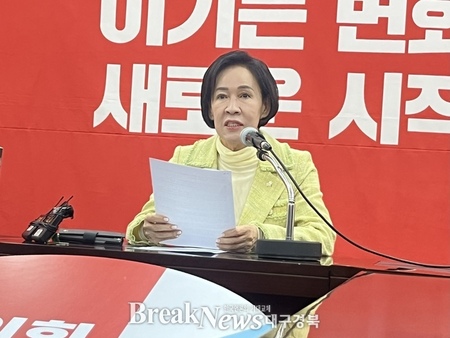
 ▲ 더불어민주당 황정아 의원(대전 유성구을) 발언 장면 ©황정아 국회의원실 제공 |
국가 연구개발(R&D) 예산의 일정 비율을 기초연구에 의무적으로 배정하도록 하는 이른바 ‘기초연구 투자법’이 국회에서 발의됐다.
국회 과학기술정보방송통신위원회 소속 황정아 의원(더불어민주당, 대전 유성구을)은 정부가 예산을 편성할 때 국가 R&D 예산 총액의 10% 이상을 기초연구 사업에 투자하도록 하는 '기초연구진흥 및 기술개발지원에 관한 법률' 개정안을 대표 발의했다고 23일 밝혔다.
연구 현장의 불확실성을 해소하고 과학기술의 토양인 기초연구 생태계를 제도적으로 보호하겠다는 취지로 발의된 이번 개정안은 지난 정부의 R&D 예산 삭감 여파로 위축된 기초연구 현장의 목소리를 반영해 마련됐다.
황 의원에 따르면 당시 ‘생애 첫 연구’ 등 풀뿌리 연구 사업이 폐지되고 과제 선정률이 기존의 3분의 1 수준으로 급감하면서 연구 생태계가 붕괴 위기에 처했다는 비판이 지속되어 왔다.
이재명 정부는 이를 복원하기 위해 올해 기초연구 예산을 전년 대비 14.6% 증액한 3.4조 원으로 편성했으며, 이번 법안은 이러한 투자 흐름을 법적으로 고착화하겠다는 의지로 풀이된다.
개정안의 핵심은 기초연구 투자의 ‘예측 가능성’과 ‘지속성’ 확보다. 예산 비율 10% 명시와 더불어, 경직된 예산 구조로 인한 연구 중단을 막기 위해 회계연도 일치 원칙의 예외를 허용하도록 했다. 이를 통해 해당 연차에 필요한 연구비 전액이 안정적으로 반영될 수 있는 길을 열었다.
또한 대학의 기초연구 환경을 획기적으로 개선하기 위한 지원책도 포함됐다.
연구 시설 및 장비 구축 ,인공지능(AI) 기반 정보 인프라 지원 ,전문 연구 인력 확충 등을 정부의 의무로 규정했으며, 특히 ‘국가기초과학연구소’를 지정해 행정적·재정적 지원을 집중할 수 있도록 했다.
황정아 의원은 “기초연구라는 뿌리가 튼튼하지 않다면 아무리 잎이 무성해도 바람 한 번에 나무가 쓰러질 수밖에 없다”며 “법안을 신속히 통과시켜 현장 연구자들이 예산 걱정 없이 과학기술에만 몰두할 수 있는 환경을 만들겠다”고 강조했다.
이어 황 의원은 “향후 기술 패권을 결정지을 응용연구와 산업기술의 핵심 동력도 결국 기초연구에서 나온다”며 “대한민국이 뿌리 강한 과학기술 강국으로 도약하기 위해 흔들림 없는 생태계를 구축해야 한다”고 덧붙였다.
*아래는 위 기사를 '구글 번역'으로 번역한 영문 기사의 [전문]입니다. '구글번역'은 이해도를 높이기를 위해 노력하고 있습니다. 영문 번역에 오류가 있을 수 있음을 전제로 합니다.<*The following is [the full text] of the English article translated by 'Google Translate'. 'Google Translate' is working hard to improve understanding. It is assumed that there may be errors in the English translation.>
Representative Hwang Jeong-ah Proposes Bill Mandating 10% of R&D Budget Investment in Basic Research
Promotes mandatory allocation of at least 10% of national R&D budget to basic research
Establishes grounds for designating a "National Basic Science Institute" and applying accounting principle exceptions to prevent research discontinuation
The so-called "Basic Research Investment Act," which mandates the allocation of a certain percentage of the national research and development (R&D) budget to basic research, has been proposed in the National Assembly.
Representative Hwang Jeong-ah (Democratic Party of Korea, Daejeon Yuseong District-eul), a member of the National Assembly's Science, ICT, Broadcasting and Communications Committee, announced on the 23rd that she has proposed an amendment to the "Act on the Promotion of Basic Research and Support for Technology Development" that would require the government to invest at least 10% of the total national R&D budget in basic research projects when allocating budgets.
This amendment, proposed to address uncertainty in the research field and institutionally protect the basic research ecosystem, the foundation of science and technology, was developed in response to the voices of those in the basic research field, which have been weakened by the previous administration's R&D budget cuts.
According to Rep. Hwang, there has been persistent criticism that the research ecosystem is on the verge of collapse, with grassroots research projects like "First Research in Life" being discontinued and the project selection rate plummeting to one-third of its previous level.
The Lee Jae-myung administration, in an effort to restore this trend, allocated 3.4 trillion won this year for basic research, a 14.6% increase from the previous year. This bill is interpreted as a commitment to legally solidifying this investment flow.
The core of the amendment is to ensure the "predictability" and "sustainability" of basic research investment. In addition to specifying a 10% budget ratio, it allows for exceptions to the fiscal year alignment principle to prevent research disruptions due to rigid budget structures. This paves the way for the full amount of research funding required for a given year to be reliably reflected.
Furthermore, support measures are included to dramatically improve the basic research environment at universities.
The bill mandates the establishment of research facilities and equipment, support for AI-based information infrastructure, and expansion of specialized research personnel as government obligations. Specifically, it designated the National Basic Science Institute to focus administrative and financial support.
Representative Hwang Jeong-ah emphasized, "If the roots of basic research are not strong, even the most lush leaves will inevitably fall in a single gust of wind." She added, "We will swiftly pass the bill to create an environment where field researchers can focus solely on science and technology without worrying about budgetary constraints."
Representative Hwang continued, "The core driving force behind applied research and industrial technology, which will ultimately determine future technological hegemony, ultimately stems from basic research. To ensure South Korea's advancement into a strong scientific and technological powerhouse, we must establish a robust ecosystem."
원본 기사 보기:브레이크뉴스대전세종충청