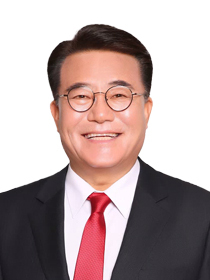
▲ 장철민 의원이 저서 '다시 젊은 대전' 출판기념회에서 참가자의 질문에 답변하고 있다.=장철민 국회의원실 제공 © 정지완 기자 |
장철민 더불어민주당 의원(대전 동구)이 대덕연구개발특구를 판교를 능가하는 혁신 거점으로 재편하겠다는 이른바 ‘대덕 3.0 프로젝트’의 제도적 토대를 마련하기 위해 관련 법률 개정에 착수했다.
장 의원은 19일 '연구개발특구의 육성에 관한 특별법 일부개정법률안'을 대표발의했다. 개정안은 연구개발특구 제도의 기능을 고도화하고, 국제 협력 및 실증 기반을 확충하는 데 초점을 두고 있다. 지난 1월 6일 대전충남통합시장 출마 선언 당시 제시한 ‘대덕 3.0 프로젝트’의 실행을 위한 후속 입법이라는 점에서 정치적·정책적 의미가 함께 담겼다.
대덕 3.0 구상은 기존의 연구 중심 특구 모델을 넘어, 일과 주거, 여가가 결합된 복합 클러스터로 구조를 전환하겠다는 전략이다. 기술패권 경쟁이 심화되는 상황에서 단순한 연구 집적지로는 한계가 분명하다는 판단이 깔려 있다. 연구 인력의 정주 여건을 개선하고, 창업과 사업화까지 이어지는 전 주기 생태계를 구축해야 글로벌 경쟁력을 확보할 수 있다는 문제의식이다.
이번 개정안은 특구개발사업 범위를 확장한 점이 핵심이다. 기존의 교육·연구·사업화 시설 위주 용지 조성에 더해, 연구 인력의 생활 기반을 뒷받침할 주거·문화·의료·복지시설까지 포함하도록 규정했다. 이는 ‘직·주·락’ 인프라를 제도적으로 보장해 우수 인재 유입과 장기 체류를 유도하겠다는 취지로 읽힌다.
아울러 특구 내 대학·연구소·기업이 연구개발서비스를 적극 활용하고 국제 협력 및 해외시장 진출을 추진할 수 있도록 국가와 지방자치단체의 지원 근거를 명시했다. 혁신 기술의 사업화를 촉진하기 위한 테스트베드 구축·운영 지원 조항도 담겼다. 실증 체계가 뒷받침되지 않으면 기술 상용화가 지연되는 구조적 한계를 보완하겠다는 접근이다.
장 의원은 앞서 지난해 12월에도 과학기술 투자 활성화를 겨냥한 연구개발특구법 개정안을 발의한 바 있다. 이번 법안은 그 연장선에서 특구의 공간적·제도적 범위를 확장하는 성격을 띤다. 단발성 지원이 아니라, 특구의 운영 철학과 기능을 재설계하려는 시도로 해석된다.
대덕연구개발특구는 국가 연구개발 역량이 집적된 상징적 공간이지만, 성과의 지역 확산과 정주 환경 측면에서는 과제가 적지 않다는 지적을 받아왔다. 연구 성과가 지역 산업과 충분히 연계되지 못하고, 인력 유출 또한 반복되어 왔다는 점에서 생태계 전반의 구조 개편이 요구되어 왔다.
이번 개정안이 통과될 경우, 특구는 연구 중심지에서 생활·문화·산업이 유기적으로 결합된 복합 혁신 플랫폼으로 성격이 재정립될 가능성이 있다. 다만 제도 정비가 실질적 성과로 이어지기 위해서는 재정 투입 규모와 지자체의 실행 역량, 중앙정부와의 정책 조율이 병행되어야 한다는 과제도 남는다.
대덕 3.0 프로젝트는 공간 재편을 넘어, 대한민국 과학기술 정책의 방향성을 재정의하는 시험대가 될 수 있다. 입법 과정과 후속 정책 설계가 어떤 구체성을 확보하느냐에 따라 대덕특구의 위상 역시 달라질 것으로 보인다.
*아래는 위 기사를 '구글 번역'으로 번역한 영문 기사의 [전문]입니다. '구글번역'은 이해도를 높이기를 위해 노력하고 있습니다. 영문 번역에 오류가 있을 수 있음을 전제로 합니다.<*The following is [the full text] of the English article translated by 'Google Translate'. 'Google Translate' is working hard to improve understanding. It is assumed that there may be errors in the English translation.>
Rep. Jang Cheol-min Launches Legislation for 'Daedeok 3.0 Project'
Stipulates Grounds for Transition to a Work-Residency-Land Convergence Complex Cluster, Global Cooperation, and Testbed Support
Rep. Jang Cheol-min of the Democratic Party of Korea (Daejeon Dong-gu) has initiated legal revisions to establish the institutional foundation for the so-called "Daedeok 3.0 Project," which aims to transform the Daedeok Research and Development Special Zone into an innovation hub surpassing Pangyo.
On the 19th, Rep. Jang introduced the "Partial Amendment to the Special Act on the Promotion of Research and Development Special Zones." The amendment focuses on enhancing the functions of the research and development special zone system and expanding the foundation for international cooperation and empirical research. As a follow-up legislation for the "Daedeok 3.0 Project," which he proposed when he declared his candidacy for the Daejeon-Chungnam Mayoral Candidateship on January 6th, this bill carries both political and policy significance.
The Daedeok 3.0 initiative aims to transform the Daedeok area beyond the existing research-centered special zone model into a complex cluster combining work, housing, and leisure. It recognizes the limitations of simply establishing a research cluster in a context of intensifying competition for technological supremacy. The key to securing global competitiveness lies in improving the living conditions of researchers and establishing a full-cycle ecosystem encompassing startups and commercialization.
The key element of this revision is the expansion of the scope of special zone development projects. In addition to the existing focus on education, research, and commercialization facilities, it now includes residential, cultural, medical, and welfare facilities that support the lives of researchers. This is seen as a way to institutionally guarantee a "work, residence, and leisure" infrastructure, thereby attracting talented individuals and encouraging long-term stays.
Furthermore, the amendment stipulates the basis for national and local government support to encourage universities, research institutes, and companies within the special zone to actively utilize R&D services and pursue international collaboration and overseas market expansion. Provisions for supporting the establishment and operation of test beds to promote the commercialization of innovative technologies are also included. This approach aims to address the structural limitations that delay technology commercialization without a robust verification system.
Representative Jang previously proposed an amendment to the Research and Development Special Zone Act in December of last year, aimed at stimulating investment in science and technology. This bill, in line with this proposal, expands the spatial and institutional scope of the special zone. Rather than providing one-time support, it is interpreted as an attempt to redesign the operating philosophy and functions of the special zone.
The Daedeok Special Zone, a symbolic space where national R&D capabilities are concentrated, has faced significant challenges in terms of regional dissemination of results and the residential environment. The lack of sufficient linkage between research outcomes and local industries, coupled with a persistent outflow of talent, has led to calls for a restructuring of the entire ecosystem.
If this amendment passes, the special zone could be redefined from a research hub to a complex innovation platform organically integrating lifestyles, culture, and industry. However, for institutional reform to translate into tangible results, the scale of financial investment, the implementation capacity of local governments, and policy coordination with the central government must all be aligned.
The Daedeok 3.0 Project goes beyond spatial reorganization and could serve as a testing ground for redefining the direction of South Korea's science and technology policy. The status of the Daedeok Special Zone will likely change depending on the specificity of the legislative process and subsequent policy design.
원본 기사 보기:브레이크뉴스대전세종충청