▲자료해설 : 이 자료는 북한에서 돈이 목적이 아니라 **위험과 불안을 막는 ‘방패’**로 기능함을 보여준다. 공식 권력보다 먼저 움직이는 비공식 자금 흐름과 관습 질서는, 생존의 기본 단위가 충성이나 신분이 아니라 ‘현금화된 가치’로 이동했음을 시각적으로 드러낸다. ©브레이크뉴스 |
 ▲자료해설 : 이 자료는 북한에서 돈이 목적이 아니라 **위험과 불안을 막는 ‘방패’**로 기능함을 보여준다. 공식 권력보다 먼저 움직이는 비공식 자금 흐름과 관습 질서는, 생존의 기본 단위가 충성이나 신분이 아니라 ‘현금화된 가치’로 이동했음을 시각적으로 드러낸다. ©브레이크뉴스 |
북한에서 돈은 단순한 화폐가 아니다. 그것은 생존의 방향표이며, 위험을 가늠하는 기준이다. 명령과 제도는 위에서 내려오지만, 일상의 선택은 돈이 흐르는 방향에서 먼저 결정된다. 자금의 이동 경로를 따라가면, 이 사회가 실제로 어디에서 작동하고 있는지가 드러난다.
공식 임금 체계는 존재한다. 그러나 그것은 생계를 유지하기에 충분하지 않다. 북한의 공식 월급은 한 달에 북한 돈으로 2,000~5,000원 수준에 머물러 있으며, 이는 쌀 1킬로그램조차 구입하기 어려운 금액이다. 임금은 지급되지만, 생계 기능은 상실된 상태다. 숫자로만 남은 임금은 제도의 흔적일 뿐, 현실을 지탱하지 못한다. 이 공백 속에서 사람들은 제도 밖에서 작동하는 자금의 경로를 찾기 시작했다.
가장 먼저 성장한 영역은 환전 시장이다. 달러, 위안화, 원화는 은행 창구가 아니라 골목과 방 안에서 교환된다. 금융기관은 건물이 아니라 개인이 된다. 신뢰는 문서가 아니라 관계에 붙는다. 환전상은 단순한 중개인이 아니다. 그는 정보의 교차점이며, 자금의 허브이고, 동시에 위험을 조절하는 장치다. 금융과 정보는 이 지점에서 결합된다.
자금은 국경을 넘는다. 해외노동 수입, 밀무역 자금, 친척 송금은 공식 통로가 아닌 관계망을 통해 유입된다. 이 돈이 장마당을 움직이고, 장사를 키우며, 생존 전략을 확장한다. 북한의 자본 축적은 은행을 거치지 않는다. 사람을 거친다. 가족, 친척, 브로커, 연결망을 따라 이동한다. 금융은 제도 위가 아니라 관계 위에 세워진다.
대출도 존재한다. 그러나 계약서는 없다. 대신 평판이 있다. 관계가 보증서다. 상환에 실패하면 개인이 아니라 가문이 흔들린다. 이 비공식 금융에는 자체 규칙이 형성되어 있다. 채무 불이행에 대한 관습적 처벌은 법원이 아니라 시장이 만들어낸다. 계약서 대신 소문이 작동하고, 판결문 대신 평판이 남는다. 이 문서 없는 규율이 사(私)금융을 지탱한다.
그래서 빚은 무겁다. 단순한 채무가 아니라 사회적 족쇄다. 돈을 빌리는 순간부터 인간관계는 재편된다. 금융은 곧 권력이 된다. 자본을 쥔 사람은 물건을 선점하고, 가격을 조정하며, 유통을 통제한다. 돈은 자연스럽게 계층을 만든다. 국가는 이 구조를 인식하고 있다. 그러나 완전히 차단하지는 않는다. 차단의 비용이 너무 크기 때문이다. 관리가 통제보다 싸다. 그래서 일정 수준의 비공식 금융은 허용되고, 필요할 때만 조여진다. 자금은 항상 감시 대상이지만, 동시에 체제 유지의 완충 장치다.
제재가 강화될수록 금융은 지하로 내려간다. 공식 통로가 막히면 비공식 통로는 더 정교해진다. 압박은 사라지지 않는다. 형태만 바뀐다. 이 구조는 유연하다. 단속이 강해지면 방식이 바뀌고, 느슨해지면 다시 확대된다. 금융은 언제나 가장 먼저 적응한다. 청년, 상인, 해외노동자, 브로커는 모두 이 체계의 일부다. 누구도 완전히 밖에 있지 않다. 모두가 연결되어 있다.
이 사회에서 돈은 목표가 아니다. 방패다. 위험을 막는 장치이며, 불안을 줄이는 수단이다. 돈이 없으면 미래도 없다. 그래서 사람들은 먼저 자본을 만든다. 공부보다, 충성보다, 관계보다 앞선다. 생존의 기본 단위가 제도가 아니라 돈으로 이동했음을 의미한다.
북한의 금융 구조는 무질서처럼 보인다. 그러나 내부에는 질서가 있다. 규칙 없는 시스템이 아니라, 문서 없는 시스템이다. 이 자금망이 끊어지면 도시도 멈춘다. 시장도, 물류도, 생존도 함께 흔들린다. 비공식 금융은 체제의 혈관이다.
우리는 흔히 권력이 나라를 움직인다고 생각한다. 그러나 실제로는 돈이 먼저 움직이고, 권력은 그 뒤를 따라간다. 북한의 현실도 다르지 않다. 체제를 움직이는 것은 명령만이 아니다. 사람 사이를 흐르는 보이지 않는 자금이다.
■ 제19회 핵심요약 (Analytical Summary)
Analytical Essays : The People Who Keep the System Running ⑪
돈이 흐르는 길 : 북한의 비공식 금융과 관습법 질서
1. 핵심 질문 (Core Question)
왜 북한 사회는 공식 임금과 제도가 붕괴된 조건에서도 무너지지 않는가?
체제를 실제로 작동시키는 경제적 동력은 무엇인가?
2. 주요 발견 (Key Findings)
북한에서 공식 임금(월 2,000~5,000원)은 쌀 1kg도 살 수 없는 수준으로, 생계 기능을 상실했다.
이 공백을 메운 것은 은행이 아닌 비공식 금융 네트워크이며, 환전상·브로커·관계망이 금융기관의 역할을 수행한다.
비공식 금융은 계약서나 법이 아니라 평판·관계·관습적 처벌에 의해 유지되는 ‘문서 없 는 질서’를 형성한다.
국가는 이 구조를 제거하지 않고 관리 가능한 수준에서 용인함으로써 통치 비용을 절감 한다.
비공식 금융은 불법의 부산물이 아니라, 체제 안정의 완충 장치로 기능한다.
3. 이론적 함의 (Theoretical Implications)
북한의 경제는 ‘공식/비공식’의 이분법으로 설명되지 않는다.
→ 제도 위의 경제가 아니라, 제도를 대체하는 경제가 형성되어 있다.
비공식 금융은 단순한 생존 수단이 아니라,
→ 위험을 분산하고 불안을 관리하는 구조적 장치다.
이는 국가 통제의 실패가 아니라,
→ 통제 비용을 사회 하부로 이전하는 하이브리드 통치 방식으로 해석될 수 있다.
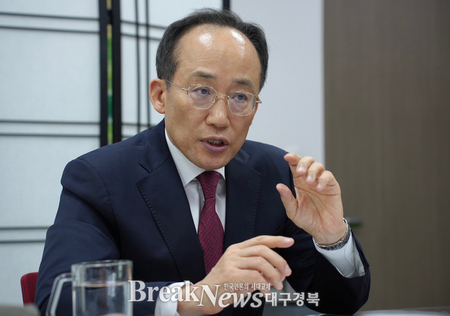
 ▲ 필자/곽인옥 교수. ©브레이크뉴스 |
4. 한 문장 요약 (One-Sentence Summary)
북한에서 체제를 실제로 움직이는 것은 명령이나 제도가 아니라, 사람 사이를 흐르며 위험을 조정하는 비공식 자금의 네트워크다.
▶ 『Kwak’s Law of Hybrid Survival (PHSE) When the state cannot provide survival, society invents a hybrid economy to keep the system alive.』 <본 글은 필자의 【평양 하이브리드 생존경제 (PHSE)】 연구의 일부로, 장기간 현장 연구와 축적된 자료에 기반한 분석이다. 본문에 제시된 개념과 구조는 필자의 연구 성과임을 밝힌다.>
*필자/곽인옥 교수
*아래는 위 기사를 '구글 번역'으로 번역한 영문 기사의 [전문]입니다. '구글번역'은 이해도 높이기를 위해 노력하고 있습니다. 영문 번역에 오류가 있을 수 있음을 전제로 합니다.<*The following is [the full text] of the English article translated by 'Google Translate'. 'Google Translate' is working hard to improve understanding. It is assumed that there may be errors in the English translation.>
North Korea, Those Who Move the System - ⑪... "North Korea's Unofficial Finance and Customary Law"
- Professor Kwak In-ok
Data Commentary: This data demonstrates that in North Korea, money is not the goal, but rather functions as a "shield" against risk and insecurity. The unofficial flow of funds and customary order, which move ahead of official authority, visually reveal that the basic unit of survival has shifted from loyalty or status to "monetized value."
In North Korea, money is not simply currency. It is a guide for survival and a standard for assessing risk. While orders and systems are handed down from the top, everyday choices are first determined by the direction of money flow. Tracing the path of money movement reveals how this society actually functions.
An official wage system exists, but it is not enough to sustain a living. Official monthly salaries in North Korea remain between 2,000 and 5,000 North Korean won, barely enough to purchase even one kilogram of rice. Wages are paid, but the function of livelihood has been lost. Wages, remaining only in numbers, are merely vestiges of the system, unable to sustain reality. In this vacuum, people began to seek out channels for funds operating outside the system.
The first sector to grow was the currency exchange market. Dollars, yuan, and won are exchanged not at bank counters, but in alleys and rooms. Financial institutions become individuals, not buildings. Trust is built on relationships, not documents. The money changer is not a mere broker. He is a crossroads of information, a hub of funds, and a risk-management mechanism. This is where finance and information intersect.
Money crosses borders. Overseas labor imports, smuggling funds, and remittances from relatives flow in through networks, not official channels. This money fuels markets, fosters business, and expands survival strategies. Capital accumulation in North Korea doesn't pass through banks. It passes through people. It flows through families, relatives, brokers, and networks. Finance is built on relationships, not institutions.
Loans exist, but there are no contracts. Instead, reputations are. Relationships are the guarantee. Failure to repay threatens not the individual, but the family. This informal finance has its own set of rules. Conventional penalties for default are created by the market, not the courts. Rumors replace contracts, and reputations replace judgments. This unwritten discipline sustains private finance.
That's why debt is so burdensome. It's not just a debt; it's a social shackle. The moment you borrow money, human relationships are reshaped. Finance becomes power. Those with capital monopolize goods, manipulate prices, and control distribution. Money naturally creates hierarchies. The state recognizes this structure, but it doesn't completely block it. The cost of blocking it is too high. Management is cheaper than control. Therefore, a certain level of informal finance is permitted, tightened only when necessary. Money is constantly under surveillance, but it also serves as a buffer for the system's maintenance.
As sanctions intensify, finance goes underground. As official channels are blocked, informal channels become more sophisticated. The pressure doesn't disappear; it simply changes form. This structure is flexible. When crackdowns intensify, methods change, and when they are relaxed, they expand again. Finance is always the first to adapt. Young people, merchants, overseas workers, and brokers are all part of this system. No one is completely outside. Everyone is connected.
In this society, money is not a goal. It's a shield. It's a device to prevent risk and a means to reduce anxiety. Without money, there's no future. So people first create capital. It takes precedence over study, loyalty, and relationships. This means that the basic unit of survival has shifted from institutions to money.
North Korea's financial structure appears chaotic. However, there is order within. It's not a system without rules, but a system without documents. If this financial network breaks, the city grinds to a halt. Markets, logistics, and survival all falter together. Informal finance is the lifeblood of the system.
We often think that power moves a country. However, in reality, money moves first, and power follows. The reality in North Korea is no different. It's not just orders that drive the system. It's the invisible money flowing between people.
■ 19th Analytical Summary
Analytical Essays: The People Who Keep the System Running ⑪
The Way Money Flows: North Korea's Informal Finance and Customary Law
1. Core Questions
Why does North Korean society persist even when official wages and institutions collapse?
What are the economic drivers that actually drive the system?
2. Key Findings
In North Korea, official wages (2,000-5,000 won per month) are barely enough to buy even 1 kg of rice, rendering the system ineffective.
It is not banks but informal financial networks that have filled this void, with money changers, brokers, and networks of relationships acting as financial institutions.
Informal finance forms an "unwritten order" maintained not by contracts or laws, but by reputation, relationships, and customary punishment.
The state reduces the costs of governance by tolerating this structure at a manageable level rather than eliminating it. Informal finance is not a byproduct of illicit activities, but rather functions as a buffer for regime stability.
3. Theoretical Implications
North Korea's economy cannot be explained by the dichotomy of "formal/informal."
→ Rather than an economy that exists above institutions, an economy that replaces them has emerged.
Informal finance is not simply a means of survival,
→ but a structural mechanism for distributing risk and managing instability.
This is not a failure of state control,
→ but can be interpreted as a hybrid governance approach that shifts the costs of control to lower levels of society.
4. One-Sentence Summary
What truly drives the system in North Korea is not orders or institutions, but a network of informal funds that flow among people and mediate risk.
▶ 『Kwak's Law of Hybrid Survival (PHSE) When the state cannot provide survival, society invents a hybrid economy to keep the system alive.』 <This article is part of the author's research on the Pyongyang Hybrid Survival Economy (PHSE), an analysis based on long-term field research and accumulated data. The concepts and structures presented in this text are the author's own research findings.>
*Author: Professor Kwak In-ok