▲ 필자/이재운 소설가. ©브레이크뉴스 |
에너지는 현대 문명을 지탱하는 혈액과 같지만, 그 흐름을 둘러싼 논의는 여전히 낡은 과거의 문법에 갇혀 있다. 충남 당진의 발전소 굴뚝에서 피어오르는 연기나 호남의 태양광 패널, 바다를 메운 풍력 발전기를 보며 누군가는 수도권의 이기주의를 꾸짖고 지역의 희생을 강조한다. 생산한 곳에서 에너지를 소비하자는 '지산지소'의 원칙은 언뜻 지극히 정의로운 구호처럼 들린다. 하지만 냉정한 현실의 눈으로 바라보면, 이 주문 하나로 지방 소멸이라는 거대한 파고를 막아내기엔 우리 앞에 놓인 모순의 무게가 결코 가볍지 않다.
수도권 시민들이 묵묵히 부담하는 조세의 무게는 가히 압도적이다. 2024년 통계를 보면 대한민국 전체 종합소득세의 68.5%, 양도소득세의 72.6%, 법인세의 76.7%가 수도권에서 걷혔다. 국세의 7할 이상을 수도권이 홀로 짊어지고 있는 셈이다. 특히 현 정권이 추진하는 주택 관련 중과세 정책은 수도권 시민들에게 감당하기 어려운 경제적 압박으로 다가온다. 지방의 주택들이 상대적으로 세제 압박에서 비껴나 있는 사이, 수도권은 공시가격 현실화와 다주택자 규제라는 명목 아래 불과 몇 년 사이 세금이 폭등하는 고통을 겪고 있다. 통계적으로 수도권의 1인당 보유세 부담률은 지방 평균보다 최대 3~4배 이상 높게 치솟을 것으로 예측되며, 이 막대한 자금은 고스란히 국가 재정의 저수지로 빨려 들어간다.
재정 자립도가 20%대에 불과한 전남, 경북, 강원 등 수많은 지방 자치 단체가 행정 체계를 유지하고, 공무원 급여를 미루지 않으며, 주민들에게 각종 보조금을 지급할 수 있는 원천은 바로 여기에 있다. 수도권 시민들이 감내한 조세 수입이 '이전 수입'이라는 이름으로 지방 재정의 70% 이상을 채워주기 때문이다. 전기를 공급받는다는 이유로 수도권을 일방적인 수혜자로 몰아세우기에는, 그들이 낸 세금이 지방 행정과 복지의 근간이 되는 이 현실을 결코 부정할 수 없다. 호남이 내세우는 신재생에너지 역시 수도권이라는 거대한 소비처와 국가 전력망이 없다면 그 경제적 가치를 온전히 실현하기 어렵다.
역설적이게도 지방은 수도권으로 향하는 철탑을 막아 세우지만, 수도권은 지방으로 향하는 막대한 재정 보조금을 막지 않는다. 이재명 대통령은 2025년 12월 10일, “지금처럼 수도권으로 전기를 다 몰아가지고 지방에서 대대적으로 송전탑 만들어서 보내는 거 이제 안 된다. 주민들이 가만히 있겠나”라고 언급한 바 있다(광주MBC 보도). 하지만 묻고 싶다. 만약 수도권이 창출한 국부를 수도권에서만 사용하겠다고 선언한다면 지방은 과연 지방소득만으로 ‘지산지소’할 수 있겠는가.
사실 이러한 지역 이기주의는 지방만의 전유물도 아니다. 동해안에서 생산한 전력을 용인 반도체 클러스터로 끌어오는 과정에서 경기도 가평과 양평 등 수도권 내부에서도 송전탑 건설을 두고 격렬한 갈등이 빚어졌다. "내 뒷마당엔 안 된다"는 논리가 중앙과 지방, 심지어 이웃 자치단체 사이의 혈맥을 막아버린 셈이다. 다행히 김동연 경기도지사가 새로 건설되는 지방도(318호선) 아래에 전선을 매설하는 지중화 모델을 전국 최초로 도입하며 이 고질적인 분쟁의 실마리를 풀었다. 경기도가 도로 부지를 제공하고 한전이 그 밑에 전력망을 까는 이 '발상의 전환'은, 비난과 투쟁 대신 지혜로운 정책과 혁신 행정이 어떻게 갈등을 넘어 실질적인 국익을 만들어낼 수 있는지를 잘 보여준다.
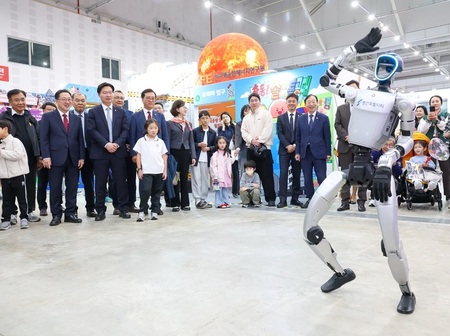
지방은 에너지를 내어주고 수도권은 국부를 나누며 서로의 생존을 지탱하는 것이 공동체의 본질이다. 이 정교한 공생 관계를 무시한 채 비난의 화살만 쏘아 올리는 것은 결속을 해칠 뿐이다. 더욱 우려스러운 점은 우리 사회의 의식이 머물러 있는 시간대다. 세상은 이미 초고속으로 변하고 있다. 아틀라스나 옵티머스 같은 피지컬 AI가 산업 현장에 투입되는 순간, 인력 과잉과 노동의 종말이라는 새로운 사회적 재앙이 닥칠 것이다. 이제는 단순히 인구수를 믿고 목소리를 높이는 구시대적 정치나 과거의 원한에 기댄 투쟁으로는 생존을 장담할 수 없는 시대다. 지능과 육체를 대신하는 기술의 변곡점 위에서, 여전히 소작인 중심의 혁명 함성에 취해 있거나 비극적인 역사적 서사에만 의식이 붙잡혀 있다면 우리는 어떻게 미래로 나아가겠는가.
정치 구호로 갈등을 부추기거나 과거의 아픔을 소환해 오늘날의 정책적 한계를 가리는 정치는 이제 멈춰야 한다. 지방을 살리는 길은 역사적 피해 의식을 자극하는 것이 아니라, 급변하는 기술 문명 속에서 지방이 어떤 새로운 가치를 창출할지 고민하는 데 있다. 국부를 만들어내는 경제력을 죄악시하고 에너지를 볼모삼아 서로를 적대하게 만든다면, AI와 로봇이 주도하는 미래 사회에서 우리는 공멸할 수밖에 없다. 지금 필요한 것은 과거를 향한 외침이 아니라, 서로의 기여를 존중하며 미래의 파고를 함께 넘으려는 냉철하고도 따뜻한 연대다.
*필자/이재운 소설가
*아래는 위 기사를 '구글 번역'으로 번역한 영문 기사의 [전문]입니다. '구글번역'은 이해도 높이기를 위해 노력하고 있습니다. 영문 번역에 오류가 있을 수 있음을 전제로 합니다.<*The following is [the full text] of the English article translated by 'Google Translate'. 'Google Translate' is working hard to improve understanding. It is assumed that there may be errors in the English translation.>
Can we stop the extinction of local regions?... "Local regions = energy - metropolitan areas = national wealth, 'the essence of community'"
Novelist Lee Jae-woon
Energy is the lifeblood that sustains modern civilization, yet discussions surrounding its flow remain trapped in outdated grammar. Looking at the smoke billowing from the chimneys of power plants in Dangjin, South Chungcheong Province, the solar panels of Honam, and the wind turbines that fill the ocean, some criticize the selfishness of the metropolitan area and emphasize the sacrifices of local communities. The principle of "local production, local consumption"—consuming energy where it is produced—at first glance sounds like a perfectly just slogan. However, when viewed through the lens of sober reality, this single mantra proves insufficient to stem the massive tide of local extinction, and the weight of the contradictions facing us is far from light.
The burden of taxes silently borne by metropolitan residents is staggering. According to 2024 statistics, 68.5% of all comprehensive income tax, 72.6% of capital gains tax, and 76.7% of corporate tax were collected in the metropolitan area. The Seoul metropolitan area alone bears the burden of more than 70% of national taxes. In particular, the current administration's heavy housing taxation policies are placing an unbearable financial burden on residents of the Seoul metropolitan area. While housing in the provinces is relatively spared from this tax burden, the Seoul metropolitan area has suffered a sharp increase in taxes in just a few years under the guise of realizing assessed values and regulating multiple homeownership. Statistically, the per capita property tax burden in the Seoul metropolitan area is projected to soar three to four times higher than the regional average, and this massive amount of money is being sucked into the national treasury.
Countless local governments, such as South Jeolla Province, North Gyeongsang Province, and Gangwon Province, with fiscal self-sufficiency rates in the 20% range, are able to maintain their administrative systems, maintain civil servant salaries, and provide various subsidies to residents. This is precisely why the tax revenues endured by residents of the Seoul metropolitan area, known as "transfer revenue," cover more than 70% of local government finances. While it's impossible to single out the metropolitan area as a unilateral beneficiary simply because it receives electricity, it's undeniable that their taxes form the foundation of local administration and welfare. Even the renewable energy promoted by Honam cannot fully realize its economic value without the metropolitan area's massive consumer base and the national power grid.
Ironically, while local areas block the construction of transmission towers leading to the metropolitan area, the metropolitan area doesn't block the massive financial subsidies it provides. President Lee Jae-myung stated on December 10, 2025, "The current practice of concentrating all electricity in the metropolitan area and then building transmission towers in the provinces is unacceptable. Will the residents remain silent?" (Gwangju MBC report).
However, I ask: If the metropolitan area declares that it will solely use the national wealth it generates, will local areas truly be able to achieve "local production for local consumption" based solely on local income?
Indeed, this regional egoism isn't exclusive to local areas. The process of bringing electricity generated on the East Coast to the Yongin Semiconductor Cluster sparked fierce conflict within the Seoul metropolitan area, including in Gapyeong and Yangpyeong in Gyeonggi Province, over the construction of transmission towers. The logic of "not in my backyard" effectively choked the vital ties between the central and local governments, and even neighboring local governments. Fortunately, Gyeonggi Province Governor Kim Dong-yeon resolved this chronic conflict by introducing the nation's first underground power line model, burying power lines beneath a newly constructed local road (Route 318). This "shift in thinking"—where Gyeonggi Province provides the road land and KEPCO builds the power grid underneath—exemplifies how wise policies and innovative administration, rather than accusations and conflict, can transcend conflict and create tangible national interests.
The essence of community is that local governments contribute energy, while the metropolitan area shares national wealth, supporting each other's survival. Ignoring this delicate symbiotic relationship and focusing solely on criticism only undermines unity. Even more concerning is the timeframe in which our society's consciousness is stagnant. The world is already changing at breakneck speed. The moment physical AI like Atlas or Optimus enters the industrial workplace, a new social disaster will strike: over-labor and the end of labor. We no longer have the luxury of relying solely on population numbers and the old-fashioned politics of raising our voices, or struggles rooted in past grudges, to ensure our survival. At this inflection point where technology is replacing intelligence and physicality, how can we move forward if we remain intoxicated by the revolutionary cries of tenant farmers or fixated on tragic historical narratives?
Politics that incite conflict with political slogans or invoke past pain to obscure the limitations of current policies must cease. The path to regional revitalization lies not in fueling a sense of historical victimhood, but in considering what new values regional regions can create within a rapidly evolving technological civilization. If we condemn the economic power that generates national wealth and use energy as a pretext to antagonize one another, we will inevitably perish together in a future dominated by AI and robots. What we need now is not a cry for the past, but a cool-headed yet warm solidarity that respects each other's contributions and seeks to navigate the challenges of the future together.
*Author: Lee Jae-woon, Novelist