▲ 최호택 교수 페이스북 인용 © 김정환 기자 |
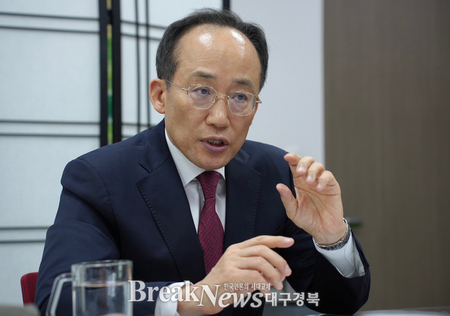
최호택 배재대학교 교수가 대전·충남 행정통합안의 국회 보류 사태를 지켜보며 정치권의 정쟁 중단과 국가 균형발전을 위한 실질적인 구조개혁을 촉구하고 나섰다.
최 교수는 27일 자신의 SNS를 통해 '학자적 양심으로 드리는 충언'이라는 제목의 글을 올리고, 행정통합만이 지방시대 성공의 유일한 해법은 아니라는 점을 분명히 했다.
최 교수는 먼저 행정통합 보류 이후 지역 정가가 책임 공방과 상대 비난에만 몰두하고 있는 현실을 강하게 비판했다.
그는 이재명 대통령의 핵심 공약인 ‘5극 3특’ 전략의 본질이 단순히 행정구역을 합치는 데 있는 것이 아니라, 메가시티에 대한 파격적인 행·재정적 지원을 통해 수도권 일극 체제를 극복하고 연방제 수준의 분권을 구현하는 데 있음을 상기시켰다.
그는 현재 대한민국 메가시티의 경로가 두 갈래로 나뉘어 있음을 짚었다. 충청권과 동남권이 선택한 ‘특별지방자치단체(광역연합)’ 모델과 전남·광주, 대구·경북이 지향하는 ‘행정통합(특별시)’ 모델이 그것이다.
최 교수는 "충청광역연합이 기대만큼 작동하지 못한 이유는 통합되지 않아서가 아니라, 실질적인 재정과 자치권이 뒷받침되지 않았기 때문"이라고 진단했다.
최 교수가 제시한 해결책은 명확하다. 정부가 행정통합 지역에 약속한 ‘연간 최고 5조 원, 4년간 최고 20조 원’ 규모의 재정 지원과 공공기관 이전 혜택을 충청광역연합과 같은 특별지자체 모델에도 동일한 기준으로 적용해야 한다는 것이다.
그는 "통합 여부와 상관없이 모든 메가시티 모델에 전폭적인 지원이 이뤄질 때 비로소 ‘5극 3특’이 정치적 구호를 넘어 국가 균형발전의 실질적 전환점이 될 수 있다"고 역설했다. 이를 위해 선거 이후 관련 특별법을 재정비하고 연말 예산안에 이를 실질적으로 반영할 것을 정부에 주문했다.
마지막으로 최 교수는 대통령과 국무총리 등 행정 수반이 지역의 목소리에 더 깊이 귀를 기울여 줄 것을 요청했다.
그는 "정쟁에 매몰되어 본질적 논의를 놓쳐서는 안 된다"며, 지역 자립 기반 마련을 위한 국가 전략적 결단이 ‘역동적인 대한민국’을 완성하는 열쇠라고 강조했다.
*아래는 위 기사를 '구글 번역'으로 번역한 영문 기사의 [전문]입니다. '구글번역'은 이해도를 높이기를 위해 노력하고 있습니다. 영문 번역에 오류가 있을 수 있음을 전제로 합니다.<*The following is [the full text] of the English article translated by 'Google Translate'. 'Google Translate' is working hard to improve understanding. It is assumed that there may be errors in the English translation.>
Professor Choi Ho-taek: "The Essence of the Five-Polar, Three-Special Plan is Not Integration, but 'Federal-Level Decentralization'"
Professor Choi Ho-taek of Pai Chai University, observing the National Assembly's suspension of the administrative integration plan for Daejeon and South Chungcheong Province, has called for an end to political strife and for substantive structural reforms to achieve balanced national development.
On the 27th, Professor Choi posted a message titled "Advice from a Scholarly Conscience" on his social media account, making it clear that administrative integration is not the only solution to success in the era of regionalism.
Professor Choi strongly criticized the current situation in which local politicians have been preoccupied with blaming each other and blaming each other since the administrative integration was suspended.
He emphasized that the essence of President Lee Jae-myung's "Five-Polar, Three-Special Plan" strategy, a key campaign promise, lies not in simply merging administrative districts, but in overcoming the unipolarity of the Seoul metropolitan area and achieving federal-level decentralization through unprecedented administrative and financial support for megacities.
He pointed out that the current path of South Korea's megacities is divided into two. These are the "special local government (metropolitan federation)" model chosen by the Chungcheong and Southeast regions, and the "administrative integration (special city)" model pursued by South Jeolla Province, Gwangju, Daegu, and North Gyeongsang Province.
Professor Choi concluded, "The reason the Chungcheong metropolitan federation failed to function as expected was not because it failed to integrate, but because it lacked substantial financial and autonomy support."
Professor Choi's proposed solution is clear: the government should apply the same financial support promised to administratively integrated regions—up to 5 trillion won annually and up to 20 trillion won over four years—and benefits for relocating public institutions to special local government models like the Chungcheong metropolitan federation.
He emphasized, "Only when all megacity models, regardless of integration, receive full support can the '5-pole, 3-special' model transcend political slogans and become a real turning point for balanced national development." To this end, he urged the government to revise relevant special laws after the election and incorporate them into the year-end budget.
Finally, Professor Choi urged executive leaders, including the President and Prime Minister, to listen more closely to the voices of local communities.
He emphasized, "We must not become mired in political strife and lose sight of essential discussions," and emphasized that a national strategic decision to establish a foundation for regional self-reliance is key to achieving a "dynamic Republic of Korea."
원본 기사 보기:브레이크뉴스대전세종충청