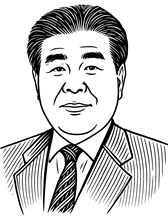
▲ 필자/최인식 정치 칼럼니스트. ©브레이크뉴스 |
1960~70년대 박정희 정부가 소양강댐 건설을 추진하던 시절, 이런 이야기가 전해진다. 대부분의 건설사가 공사 수주에 사활을 걸고 계산기를 두드릴 때, 한 기업은 전혀 다른 질문을 던졌다고 한다. “댐이 완공되면 서울의 지형과 경제지도는 어떻게 달라질 것인가.” 그리고 훗날 강남 개발의 상징이 된 압구정동 일대의 가능성을 먼저 읽었다는 일화다.
사실 여부를 떠나 이 이야기가 던지는 메시지는 분명하다. 고수는 눈앞의 계약이 아니라, 완공 이후의 세상을 본다. 남들이 오늘의 이익을 계산할 때, 한 발 더 나아가 내일의 판을 읽는다. 격차는 크지 않다. 단지 ‘한 단계 더 보는가’의 차이다.
임계점은 99도와 100도의 경계다. 물은 99도까지는 물이다. 그러나 마지막 1도를 넘는 순간 전혀 다른 상태로 바뀐다. 고수와 하수의 차이도 이 마지막 1도에 있다. 실력의 총합이 아니라, 끝까지 밀어붙이는 결단의 온도다.
“얼음이 녹으면 무엇이 되느냐”는 질문에 대부분은 “물”이라고 답한다. 하지만 어떤 아이는 “봄”이라고 말했다고 한다. 교과서적 정답은 아니다. 그러나 계절의 맥락을 읽은 답이다. 고수의 사고는 늘 한 겹을 더 본다.
이제 우리는 본격적인 AI 시대에 들어섰다. 데이터 분석, 시장 예측, 위험 시뮬레이션은 인공지능이 인간보다 빠르고 정확하다. 기업 경영도, 국가 전략도 알고리즘 위에서 움직인다. 문제는 기술이 아니라, 그 기술을 다루는 태도다.
AI는 계산하지만 책임지지 않는다. 예측하지만 결단하지 않는다. 방향을 잡는 일은 여전히 인간의 몫이다. 데이터를 읽는 것은 기계가 더 잘할지 몰라도, 무엇을 질문할지 정하는 것은 사람이다. 결국 경쟁력은 ‘속도’가 아니라 ‘방향’에서 갈린다.
사업이든 승진이든, 조직 개혁이든 국가 전략이든 마지막 고지에서 멈추면 99도에 머문다. 한 발 더 내딛는 용기, 한 번 더 의심하는 질문, 한 겹 더 깊이 보는 통찰이 100도를 만든다.
AI 시대의 격차 역시 여기서 벌어진다. AI를 도구로 삼는 사람과 AI에 끌려가는 사람의 차이는 크지 않다. 그러나 그 1도가 쌓이면 결과는 전혀 달라진다. 99도에 안주할 것인가, 아니면 마지막 1도를 넘어 끓어오를 것인가? 격차는 거창한 기술이 아니라, 임계점을 넘는 결단에서 시작된다.
*필자/최인식 정치 칼럼니스트.
*아래는 위 기사를 '구글 번역'으로 번역한 영문 기사의 [전문]입니다. '구글번역'은 이해도 높이기를 위해 노력하고 있습니다. 영문 번역에 오류가 있을 수 있음을 전제로 합니다.<*The following is [the full text] of the English article translated by 'Google Translate'. 'Google Translate' is working hard to improve understanding. It is assumed that there may be errors in the English translation.>
Will it remain at 99 degrees or surpass 100 degrees?
- Choi In-sik, political columnist
In the 1960s and 1970s, when the Park Chung-hee administration was pushing ahead with the construction of the Soyang River Dam, a story is told. While most construction companies were desperately trying to secure contracts, one company posed a completely different question: "How will the topography and economic map of Seoul change once the dam is completed?" The story goes that the company was the first to recognize the potential of the Apgujeong-dong area, which later became a symbol of Gangnam's development.
Regardless of its truth, the message this story conveys is clear. A master looks not at the contract in hand, but at the world after completion. While others calculate today's profits, they go one step further and anticipate tomorrow's scenario. The gap isn't significant. It's simply a matter of "seeing one step further."
The critical point is the boundary between 99 and 100 degrees. Water is water until 99 degrees. But the moment it crosses that last degree, it transforms into a completely different state. The difference between a master and a beginner lies in this final degree. It's not the sum of their skills, but the determination to push through to the end.
When asked, "What becomes when ice melts?" most people answer, "water." But one child reportedly said, "spring." It's not a textbook answer. But it's an answer that understands the context of the season. The thinking of a master always sees one more layer.
We have now entered the era of AI. AI is faster and more accurate than humans at data analysis, market forecasting, and risk simulation. Corporate management and national strategy are also driven by algorithms. The problem isn't the technology itself, but the attitude with which it's handled.
AI calculates but doesn't take responsibility. It predicts but doesn't make decisions. Setting direction remains the responsibility of humans. While machines may be better at interpreting data, humans determine what questions to ask. Ultimately, competitiveness is determined not by "speed," but by "direction."
Whether it's business, promotion, organizational reform, or national strategy, stopping at the last hurdle means remaining at 99 degrees. The courage to take another step, the question that raises doubts, the insight that delves deeper—this is where the 100-degree gap emerges. The gap between those who use AI as a tool and those who are led by it is not significant. However, when that 1-degree gap accumulates, the outcome becomes completely different. Will we settle for 99-degrees, or will we surpass that last 1-degree and boil over? The gap doesn't begin with grandiose technology, but with the determination to cross the threshold.
*Author: Choi In-sik, political columnist